
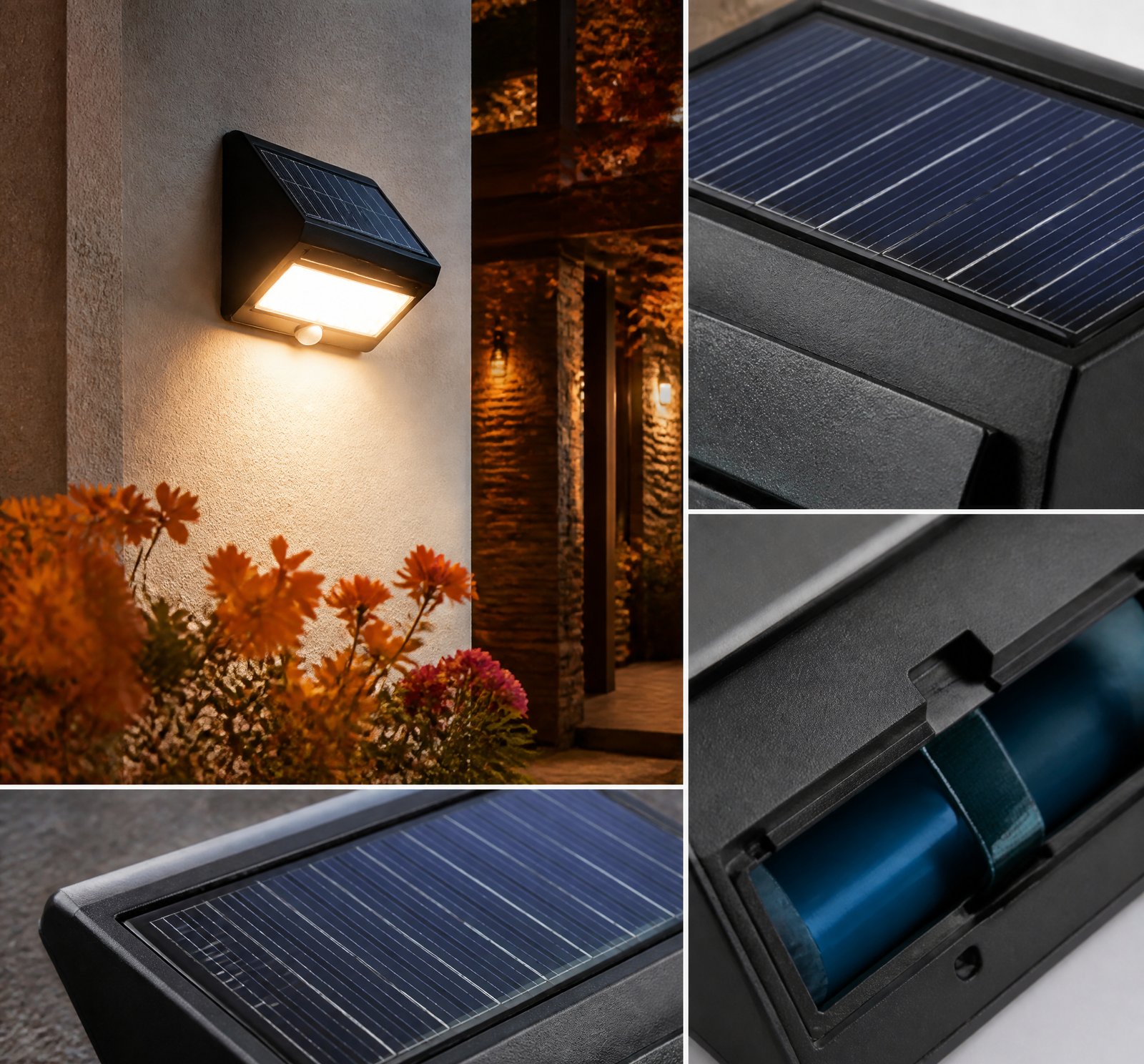
> Quick answer: Quality control for LiFePO4 cells, including capacity sorting, internal resistance measurement, and cycle testing, impacts solar lamp reliability but is under-documented. Field failures are often due to poor mechanical design and substandard connectors rather than batteries alone [1][2][3].
In the bustling market of Romania, solar lamps have become a staple for households looking for sustainable lighting solutions. Yet, understanding how quality control measures like capacity sorting and cycle testing influence field failure rates remains less clear. This article delves into the specifics to provide clarity.
Quality Control Practices and Field Failure Rates
Quality control practices such as capacity sorting, internal resistance measurement, and cycle testing are crucial in ensuring that LiFePO4 cells function optimally within solar lamps [1][2][3]. However, while these measures improve battery reliability, they do not fully address the broader system issues contributing to field failures. According to research, the most frequent failure points are mechanical and electrical components like cables, plugs, input jacks, switches, and connectors [10][17]. These parts face extreme stress due to daily use in off-grid environments where lamps are frequently handled, moved, and charged on the ground [10].
The Impact of Component-Level Quality
The reliability of solar lamps is significantly influenced by component-level quality. Even if LiFePO4 cells are rigorously tested for capacity and internal resistance, poorly designed or low-quality peripheral components can compromise overall system reliability [17]. Research highlights that cost-cutting pressures in manufacturing lead to higher failure rates due to materials substitution and reduced process control, particularly relevant in the competitive EU market [3][14][15].
Environmental Stressors and UV Degradation
Environmental stressors play a critical role in solar lamp performance. UV degradation is a significant concern for next-generation solar technologies like TOPCon and heterojunction (HJT) cells, which may exhibit sensitivity to ultraviolet light despite their high efficiency [6][18]. Studies suggest that these modules can recover power output after dark storage due to hydrogen-mediated passivation and charge redistribution, indicating dynamic recovery mechanisms [5][22].
Systematic Quality Control Measures
Holistic quality control measures beyond battery testing are essential. This includes environmental and mechanical stress testing of all components, especially in high-UV regions like southern Europe [5][12][16]. The IEC 61215 standard for module testing has limitations in capturing real-world UV degradation, necessitating improved, climate-specific testing protocols.
Testing Protocols and Field Performance
Current testing standards may overestimate long-term performance loss if they do not account for recovery mechanisms. Research shows that median test scores have declined from 1.02 to 0.986 between 2020 and 2024, indicating a trend of increasing underperformance in PV modules [20]. This suggests that quality control measures must be rigorously applied and independently verified to prevent field failures.
Key Takeaways
- Field failure rates are often driven by poor mechanical design and substandard connectors rather than battery issues.
- Holistic quality control is essential, extending beyond LiFePO4 cells to include environmental and mechanical stress testing of all components.
- Current testing standards may overestimate performance loss due to ignoring dynamic recovery mechanisms.
Frequently Asked Questions
[{
„q”: „What are the most common failure points in solar lamps?”,
„a”: „The most frequent failure points in solar lamps are mechanical and electrical components such as cables, plugs, input jacks, switches, and connectors [10][17].”
},
{
„q”: „How does UV exposure affect solar lamp performance?”,
„a”: „UV degradation is a significant concern for next-generation solar technologies like TOPCon cells. However, these modules can recover power output after dark storage due to hydrogen-mediated passivation and charge redistribution [5][22].”
},
{
„q”: „What improvements are needed in testing protocols?”,
„a”: „Improved climate-specific testing protocols are required as the IEC 61215 standard has limitations in capturing real-world UV degradation [5][12][16].”
}]
References
- [1] UL_White_Paper_Getting_More_Reliability_in_PV_Installations__b6861436 — magazine
source passage
# UL White Paper: Getting More Reliability in PV Installations Source: Blog/Web URL: https://www.solarpowerworldonline.com/2014/07/ul-white-paper-getting-reliability-pv-installations/ Author: Frank Andorka Date: 2014-07-16 Photovoltaic (PV) module manufacturers, installers and project owners share a common interest in the long-term performance of PV installations. In evaluating the reliability of a PV system, it is important to focus not just on the PV module but on the entire system. An installed PV system can provide the expected level of service only if all of its components, from the solar cell to the connection to high voltage transmission line, perform as expected, and if the entire PV system is properly maintained. Specific properties of PV system installation sites, such as ambient conditions, equipment temperatures, soiling and contamination can also have a direct impact on the performance and expected life of a given installation, and can contribute to different site-specific degradation rates. In addition, the ongoing consolidation of the PV industry may result in the demise of some manufacturers, undercutting the potential benefits of manufacturers’ warranties. To avoid these problems, PV manufacturers should adopt a holistic quality control protocol to address key issues such as sampling rates, test plans and test durations. This white paper discusses various testing methods that can be used by manufacturers and customers to assess the reliability of PV modules i
- [2] UL_White_Paper_Getting_More_Reliability_in_PV_Installations__b6861436 — magazine
source passage
proven scientific test procedures to screen PV modules for reliability, performance and safety. UL’s performance and reliability services for PV modules provide third-party evidence of industry standard testing to assess consistency in the manufacturing process that also includes technical inspections of PV module factory operations. Additional tests can be conducted to demonstrate the impact of long-terms stresses on PV module performance and safety. 1 “Development and application of a UV light source for PV-module testing,” M. Koehl, et al, 24th European Photovoltaic Solar Energy Conference (2009). Web. 8 April 2014. http://www.eupvsec-proceedings.com/roceedings?paper=4697. 2 “Reliability of PV-modules – Natural, accelerated and simulated degradation,” M. Koehl, et al, SPIE Conference 7048-4, September 2008. Web. 8 April 2014. http://www.iea-pvps.org/index.php?id=15&eID=dam_frontend_push&docID=272. 3 “System voltage potential-induced degradation mechanisms in PV Modules and Methods for Test,” P. Hacke, et al, 37th IEEE Photo- voltaic Specialists Conference (2011). Web. 8 April 2014. http://ieeexplore.ieee.org/xpl/articleDetails.jsp?arnumber=6186079&sortTy pe%3Dasc_p_Sequence%26filter%3DAND%28p_IS_Number%3A6185829%29%26pageNumber%3D6%26rowsPerPage%3D50. 4 “Accelerated Aging: Challenge, Opportunity and Necessity,” B. Jaeckel, et al, Photovoltaic Module Reliability Workshop 2011. Web. 8 April 2014. http://www.nrel.gov/docs/fy14osti/60170.pdf. 5 “Test-to-Fail of Crystalline Sil
- [3] Rapid_Solar_PV_Module_Evolution_Puts_Reliability_In_Spotlight__52f51326 — magazine
source passage
# Rapid Solar PV Module Evolution Puts Reliability In Spotlight Source: Blog/Web URL: https://taiyangnews.info/technology/taiyangnews-reliable-pv-module-design-2025-conference-summary Author: Anu Bhambhani Date: 2025-11-24 Huge cost pressure and rapid technology development in PV manufacturing are creating quality concerns with testing organizations, which see reliability issues increasing TÜV Rheinland reports higher failure rates linked to material choices, design decisions, and insufficient process control, even in certified modules Manufacturers are prioritizing improved materials, cell architectures, and encapsulation strategies to counter UVID, PID, corrosion, and glass breakage Experts agree that current module-level standards must expand to better address glass quality, shading behavior, and stress interactions Driven by pressure to cut costs as solar module prices stay very low, the solar PV industry is adopting new technologies faster than ever, seeking to both cut costs and increase efficiency. However, with this speed, testing labs are noticing some quality issues, raising the question of whether solar module reliability is being compromised. Modules are meant to last for decades; hence, every design choice matters. Therefore, it is of extreme importance that balancing innovation with long-term reliability is crucial for trust in the industry. “Exciting to see the levels of innovation in the solar PV industry, but the fear is that reliability should not become the
- [5] TOPCon_solar_modules_show_self-healing_under_UV_stress__62706250 — magazine
source passage
and performance ratio (PR) were calculated to assess module performance. The analysis showed that, although M1 modules are more sensitive to UV light, their average EY over five months differs by only 0.17% from that of M3 modules. All TOPCon modules, meanwhile, were found to exhibit a metastable “degradation–recovery” cycle when subjected to UV irradiation, dark storage, and light soaking, driven by synergistic charge redistribution and hydrogen-mediated passivation. This behavior aligns with previous research, which noted that power losses during dark storage following lab-induced UV degradation. The new field results confirmed that TOPCon modules maintain stable power output under real-world conditions, with light-induced dynamic defect remediation effectively mitigating UV-induced degradation. “Our findings reveal that TOPCon solar cells exhibit metastable characteristics,” the researchers stressed. “UV irradiation causes power degradation, dark storage exacerbates delayed degradation, and subsequent light soaking treatment almost fully restores cell performance.” They also explained that the current IEC 61215 standard leaves room for improving UV testing to better reflect the actual impact on field power generation. Both the research community and the PV industry should investigate the threshold UV doses that drive degradation and recovery across different technologies, they concluded. The experiment was described in “UVID of TOPCon solar cells and the module power outpu
- [6] UNSW_Next-gen_solar_module_could_degrade_faster_than_expected__bfa0f162 — authority
source passage
you could expect depending on your location,” corresponding author Dr Poddar said. “It gives a holistic overview for manufacturers or developers who want to install panels somewhere, without having to do all the background calculations themselves.” The findings carry particular significance as the solar industry rapidly deploys advanced high-efficiency technologies designed to capture a broader portion of the solar spectrum, including ultraviolet light. While traditional silicon solar modules primarily rely on visible and infrared light to generate electricity, newer cell architectures such as TOPCon and heterojunction are engineered to harness UV radiation for improved conversion efficiency. That improvement, however, may come with unintended consequences for long-term reliability, with recent research documenting notable UV sensitivity in certain next-generation designs. “Our results highlight that modules with similar technology and orientation can still exhibit region-specific degradation,” the researchers state in the paper. “This is due to the influence of local weather and climate when exposed to outdoor conditions. This underscores the need for climate-specific indoor testing and accelerated tests for reliability and better lifetime predictions. “Notably, UV photodegradation alone can account for nearly a quarter of the total annual degradation in monocrystalline silicon modules in regions with high UV dose, potentially reducing system lifetime by seven to ten years.”
- [10] Impacts_of_PicoPV_and_Consumer_Research_-_energypedia__2ed9d7cd — authority
source passage
Outstanding Products). Particular technical improvements concluded from the Ugandan field tests are: manufacturers need to improve products’ solar fraction, equip lamps only with advanced charge controllers, and work on the robustness of the products, and of the connection parts in particular. Problems were: frequent deep-discharge of batteries, low battery life-spans and overall unsatisfactory lighting service were the frequently observed. Apart from that, the components that most often caused lamps to fail were cables, plugs, input jacks and switches. These parts are obviously under extreme stress when lamps are in everyday use by extended families with several children, and when modules are put down for charging on the ground in the courtyard (while lamps are kept inside to protect them against thieves). [1] In Ethiopia, broken switches and deeply discharged batteries were a frequent problem. Robustness has to be improved as well, because users often carry their systems around due to fear of theft. General Experiences Field Tests The GIZ PicoPV country survey results underpin that an ‘one-size-fits-all’ lamp model does not exist. The lamp models were rated differently by users across different continents, and they were liked and disliked for different reasons. However, there are some aspects that turned out to be important for consumers in all the test countries. Aspect's Customers Above all, light quality, including the size of the light cone and light intensity, mattered
- [12] UNSW_Next-gen_solar_module_could_degrade_faster_than_expected__bfa0f162 — authority
source passage
performance limits. UNSW research has previously revealed atomic-scale self-repair mechanisms in silicon solar cells that can partially offset UV-induced damage, but these mechanisms may be insufficient to counteract the elevated UV doses delivered by tracking systems and high-irradiance locations to next-generation cell architectures over multi-decade operational periods. “One of the key messages from our paper is that the UV testing standards need to be amplified or changed,” Dr Poddar added. “With new high-efficiency PV technologies being rolled out so quickly, we need to ensure the standards reflect real-world conditions.” The researchers emphasise that the new modelling tool is designed to help manufacturers, developers and asset owners make better-informed decisions throughout the project lifecycle. UNSW believes that, before installation, developers could use the global UV map data to conduct more rigorous accelerated UV stress testing on candidate modules, selecting products that demonstrate resilience to the specific UV exposure profile of the deployment location and mounting configuration they intend to use.
- [14] Solar_modules_under_pressure_The_growing_risk_of_spontaneous__d1711215 — magazine
source passage
identify tempering flaws or uneven stress – Clear acceptance criteria defining the size, type, and location of permissible defects Stricter quality requirements are essential to maintaining the profitability and long-term performance of solar assets. Ongoing price pressure in the module market continues to push manufacturers to reduce costs, sometimes at the expense of component quality, making independent quality control by buyers increasingly important. By raising their standards and sharing best practices, project developers and investors can help improve reliability across the industry. About the authors: Gauthier Dambrine is a project manager at Skyray with 15 years of experience in the wind and solar PV sectors. He has held technical roles in the design, development, certification, and installation of solar tracking systems across Europe, the Middle East, Africa, and Asia. Alexia Chappond has worked in the renewable energy sector since 2010, covering project development, construction, and operation. In recent years, she has focused on technical due diligence, performance analysis, construction supervision, and commissioning of PV power plants. The views and opinions expressed in this article are the author’s own, and do not necessarily reflect those held by pv magazine. This content is protected by copyright and may not be reused. If you want to cooperate with us and would like to reuse some of our content, please contact: [email protected].
- [15] Solar_modules_under_pressure_The_growing_risk_of_spontaneous__d1711215 — authority
source passage
identify tempering flaws or uneven stress – Clear acceptance criteria defining the size, type, and location of permissible defects Stricter quality requirements are essential to maintaining the profitability and long-term performance of solar assets. Ongoing price pressure in the module market continues to push manufacturers to reduce costs, sometimes at the expense of component quality, making independent quality control by buyers increasingly important. By raising their standards and sharing best practices, project developers and investors can help improve reliability across the industry. About the authors: Gauthier Dambrine is a project manager at Skyray with 15 years of experience in the wind and solar PV sectors. He has held technical roles in the design, development, certification, and installation of solar tracking systems across Europe, the Middle East, Africa, and Asia. Alexia Chappond has worked in the renewable energy sector since 2010, covering project development, construction, and operation. In recent years, she has focused on technical due diligence, performance analysis, construction supervision, and commissioning of PV power plants. The views and opinions expressed in this article are the author’s own, and do not necessarily reflect those held by pv magazine. This content is protected by copyright and may not be reused. If you want to cooperate with us and would like to reuse some of our content, please contact: [email protected].
- [16] A_better_understanding_of_UV_degradation_-_pv_magazine_Global__cf8fb0c2 — magazine
source passage
the field typically illuminates the front side, we expect similar behavior. Manufacturers are suggesting various solutions to control UV degradation – typically with careful process control or additives to the encapsulant. Can you comment on the effectiveness of these? We have seen cases where module manufacturers, after we got in contact with them, claim to have changed something. We don’t know the details, but the modules showed much less UV induced degradation when these changes were made. So we believe that this issue can be solved on the cell level by changing, for example, the properties of the antireflective layer, the hydrogen concentration in some layers, or some other factor. The other strategy which is used in commercial heterojunction modules is to add a UV blocker or downshifter to the encapsulant. However, this could induce additional problems in the long run, if these polymer additives degrade over time. In your opinion, should the industry still be worried about UV degradation, in TOPCon or any other cell technology? We shouldn’t be worried about TOPCon or any technology as a whole. But thorough UV testing should be a part of ordinary quality control for manufacturers and buyers. The issue may not be as bad as we thought or as some earlier tests appeared to show. But it is still there. As long as we have uncertainties regarding UV degradation and whether we can really quantify in the lab what will happen long term in the field, it is possible to reduce the ris
- [17] Impacts_of_PicoPV_and_Consumer_Research_-_energypedia__2ed9d7cd — authority
source passage
# Impacts of PicoPV and Consumer Research Source: Blog/Web URL: https://energypedia.info/wiki/Impacts_of_PicoPV_and_Consumer_Research Author: Date: 2018-08-01 Impacts of PicoPV and Consumer Research Overview As experience with other renewable technologies show, lack of social acceptance and incongruity with cultural values and norms are common barriers during the implementation phase. Therefore, it is important to investigate in users needs and behavior patterns. Additionally, experience shows that laboratory test have to be complemented with field tests in order to test the solar lanterns under real-life conditions. Due to the fact that many bad quality products exists, it is also important to test selected products in a field test. GIZ Energising Development has conducted various tests in different countries, such as Bangladesh, Bolivia, Ethiopia, Mozambique, Nicaragua, Peru, Senegal and Uganda. Approaches of these tests differ, results and outlook are presented within this articles. Performance of Solar Lamps More than 100 firms are offering PicoPV products in developing countries today, but most products are of very low quality, with serious implications for consumer trust in the new technology. Early lab tests have focused the awareness of governments and donors on the importance of quality control and customer information – however, field tests in sufficient countries with sufficient sample sizes are needed for a better understanding of PicoPV performance under real-lif
- [18] Navigating_defects_in_next-generation_PV_modules_-_PV_Tech__810b69fc — magazine
source passage
cautionary. “We’re seeing more outliers, and the range of test results is getting larger than what it was in the past,” says Tristan Erion-Lorico, VP of sales and marketing at Kiwa PVEL. In the Scorecard, 66% of all manufacturers experienced at least one testing failure, which is double the lab’s normal expectation. “Now the stakes are even higher, because we’re shipping materials on the gigawatt scale, rather than shipping a couple of megawatts of defects,” says Erion-Lorico. Along similar lines, research from Sydney-based lab UNSW in 2023 revealed reliability challenges that, if not properly addressed, could result in a performance decline of up to 50% in TOPCon and HJT solar modules within only a few years of operation. This was due to the solar cell metallisation’s sensitivity to contaminants and, to a lesser extent, the solar cell’s sensitivity to particularly ultraviolet light. Bram Hoex, professor and deputy head of school (Research) of the School of Photovoltaic and Renewable Energy, UNSW Australia, says that most failure modes in n-type modules can be avoided by having the right bill of materials. However, there are no 25-year-old TOPCon or HJT modules that are representative of the current technology to prove the longevity of either technology in the field. TOPCon corrosion concerns Unlike previous generations of solar cells, the key concern for TOPCon degradation lies in its front metallisation. The paste used contains a large quantity of aluminium particles to imp
- [20] Damp_heat_UVID_testing_are_highest_percentage_of_red_flag_-_PV_Tech__d915c629 — authority
source passage
in the hail testing category collapsed from 70%, suggesting that a significant number of module manufacturers struggle to build hail-resistant modules. This reflects growing concern about the ability of solar projects to effectively endure hail damage, with kWh Analytics, Kiwa PVEL and RETC’s parent company VDE Americas all highlighting the dangers of hail to solar project performance this year. ‘Underperformance appears to be increasing over time’ The report notes that, across all testing types, “underperformance appears to be increasing over time”. The RETC team analysed close to 44,000 system-months of data based on module testing, and assigned each module a numerical value between 0.6 and 1.2 to reflect quality of module performance. Between 2020 and 2024 the median score of modules tested, across all testing types, fell from 1.02 to 0.986; similarly, the average score of modules on a P90 basis fell from 0.96 to 0.85 over this period. “At VDE, we are seeing an increase in certain types of field failures, including issues associated with junction boxes and PV connectors,” said Beth Copanas, senior director of technical advisory at VDE Americas. Copanas argued that “design optimisation efforts”, which aim to reduce the cost of manufacturing solar panels amid the ongoing price crisis affecting many Chinese manufacturers, could contribute to the decline in module performance. “While these observations can have multiple contributing factors, they raise concerns that ongoing co
- [22] TOPCon_solar_modules_show_self-healing_under_UV_stress__62706250 — magazine
source passage
# TOPCon solar modules show self-healing under UV stress – pv magazine Global Source: Blog/Web URL: https://www.pv-magazine.com/2026/03/10/topcon-solar-modules-show-uv-induced-degradation-recovery-study-finds/ Author: Emiliano Bellini Date: 2026-03-10 A group of researchers from China’s Nanchang University and solar module manufacturer Trina Solar have conducted a series of experiments to assess the impact of ultraviolet-induced degradation (UVID) on the performance of tunnel oxide passivating contact (TOPCon) solar modules and have found that this panel type can offer “metastable resilience” in real-world operation. “Our lab-to-field studies confirm that UVID in TOPCon is a light-recoverable metastable effect with no impact on real-world energy production,” the research’s lead author, Zhiwei Li, told pv magazine. “This is critical for improving investor confidence and bankability, and establishes a clear reliability understanding for the industry.” The researchers conducted UV accelerated aging tests on TOPCon solar cells using a HY-UV-4225 chamber equipped with a metal halide lamp emitting in the 280–400 nm range. During these experiments, the UV intensity was set to 180 W/m², and the module temperature was maintained at 60-65 C, with the samples being placed under short-circuit conditions in a chamber at 50-60 C and exposed to a cumulative irradiation dose of 2 kWh/m² from an 800 W/m² light source spanning 300–1200 nm. The cells were sandwiched between standard module glas
# UL White Paper: Getting More Reliability in PV Installations Source: Blog/Web URL: https://www.solarpowerworldonline.com/2014/07/ul-white-paper-getting-reliability-pv-installations/ Author: Frank Andorka Date: 2014-07-16 Photovoltaic (PV) module manufacturers, installers and project owners share a common interest in the long-term performance of PV installations. In evaluating the reliability of a PV system, it is important to focus not just on the PV module but on the entire system. An installed PV system can provide the expected level of service only if all of its components, from the solar cell to the connection to high voltage transmission line, perform as expected, and if the entire PV system is properly maintained. Specific properties of PV system installation sites, such as ambient conditions, equipment temperatures, soiling and contamination can also have a direct impact on the performance and expected life of a given installation, and can contribute to different site-specific degradation rates. In addition, the ongoing consolidation of the PV industry may result in the demise of some manufacturers, undercutting the potential benefits of manufacturers’ warranties. To avoid these problems, PV manufacturers should adopt a holistic quality control protocol to address key issues such as sampling rates, test plans and test durations. This white paper discusses various testing methods that can be used by manufacturers and customers to assess the reliability of PV modules i
proven scientific test procedures to screen PV modules for reliability, performance and safety. UL’s performance and reliability services for PV modules provide third-party evidence of industry standard testing to assess consistency in the manufacturing process that also includes technical inspections of PV module factory operations. Additional tests can be conducted to demonstrate the impact of long-terms stresses on PV module performance and safety. 1 “Development and application of a UV light source for PV-module testing,” M. Koehl, et al, 24th European Photovoltaic Solar Energy Conference (2009). Web. 8 April 2014. http://www.eupvsec-proceedings.com/roceedings?paper=4697. 2 “Reliability of PV-modules – Natural, accelerated and simulated degradation,” M. Koehl, et al, SPIE Conference 7048-4, September 2008. Web. 8 April 2014. http://www.iea-pvps.org/index.php?id=15&eID=dam_frontend_push&docID=272. 3 “System voltage potential-induced degradation mechanisms in PV Modules and Methods for Test,” P. Hacke, et al, 37th IEEE Photo- voltaic Specialists Conference (2011). Web. 8 April 2014. http://ieeexplore.ieee.org/xpl/articleDetails.jsp?arnumber=6186079&sortTy pe%3Dasc_p_Sequence%26filter%3DAND%28p_IS_Number%3A6185829%29%26pageNumber%3D6%26rowsPerPage%3D50. 4 “Accelerated Aging: Challenge, Opportunity and Necessity,” B. Jaeckel, et al, Photovoltaic Module Reliability Workshop 2011. Web. 8 April 2014. http://www.nrel.gov/docs/fy14osti/60170.pdf. 5 “Test-to-Fail of Crystalline Sil
# Rapid Solar PV Module Evolution Puts Reliability In Spotlight Source: Blog/Web URL: https://taiyangnews.info/technology/taiyangnews-reliable-pv-module-design-2025-conference-summary Author: Anu Bhambhani Date: 2025-11-24 Huge cost pressure and rapid technology development in PV manufacturing are creating quality concerns with testing organizations, which see reliability issues increasing TÜV Rheinland reports higher failure rates linked to material choices, design decisions, and insufficient process control, even in certified modules Manufacturers are prioritizing improved materials, cell architectures, and encapsulation strategies to counter UVID, PID, corrosion, and glass breakage Experts agree that current module-level standards must expand to better address glass quality, shading behavior, and stress interactions Driven by pressure to cut costs as solar module prices stay very low, the solar PV industry is adopting new technologies faster than ever, seeking to both cut costs and increase efficiency. However, with this speed, testing labs are noticing some quality issues, raising the question of whether solar module reliability is being compromised. Modules are meant to last for decades; hence, every design choice matters. Therefore, it is of extreme importance that balancing innovation with long-term reliability is crucial for trust in the industry. “Exciting to see the levels of innovation in the solar PV industry, but the fear is that reliability should not become the
and performance ratio (PR) were calculated to assess module performance. The analysis showed that, although M1 modules are more sensitive to UV light, their average EY over five months differs by only 0.17% from that of M3 modules. All TOPCon modules, meanwhile, were found to exhibit a metastable “degradation–recovery” cycle when subjected to UV irradiation, dark storage, and light soaking, driven by synergistic charge redistribution and hydrogen-mediated passivation. This behavior aligns with previous research, which noted that power losses during dark storage following lab-induced UV degradation. The new field results confirmed that TOPCon modules maintain stable power output under real-world conditions, with light-induced dynamic defect remediation effectively mitigating UV-induced degradation. “Our findings reveal that TOPCon solar cells exhibit metastable characteristics,” the researchers stressed. “UV irradiation causes power degradation, dark storage exacerbates delayed degradation, and subsequent light soaking treatment almost fully restores cell performance.” They also explained that the current IEC 61215 standard leaves room for improving UV testing to better reflect the actual impact on field power generation. Both the research community and the PV industry should investigate the threshold UV doses that drive degradation and recovery across different technologies, they concluded. The experiment was described in “UVID of TOPCon solar cells and the module power outpu
you could expect depending on your location,” corresponding author Dr Poddar said. “It gives a holistic overview for manufacturers or developers who want to install panels somewhere, without having to do all the background calculations themselves.” The findings carry particular significance as the solar industry rapidly deploys advanced high-efficiency technologies designed to capture a broader portion of the solar spectrum, including ultraviolet light. While traditional silicon solar modules primarily rely on visible and infrared light to generate electricity, newer cell architectures such as TOPCon and heterojunction are engineered to harness UV radiation for improved conversion efficiency. That improvement, however, may come with unintended consequences for long-term reliability, with recent research documenting notable UV sensitivity in certain next-generation designs. “Our results highlight that modules with similar technology and orientation can still exhibit region-specific degradation,” the researchers state in the paper. “This is due to the influence of local weather and climate when exposed to outdoor conditions. This underscores the need for climate-specific indoor testing and accelerated tests for reliability and better lifetime predictions. “Notably, UV photodegradation alone can account for nearly a quarter of the total annual degradation in monocrystalline silicon modules in regions with high UV dose, potentially reducing system lifetime by seven to ten years.”
Outstanding Products). Particular technical improvements concluded from the Ugandan field tests are: manufacturers need to improve products’ solar fraction, equip lamps only with advanced charge controllers, and work on the robustness of the products, and of the connection parts in particular. Problems were: frequent deep-discharge of batteries, low battery life-spans and overall unsatisfactory lighting service were the frequently observed. Apart from that, the components that most often caused lamps to fail were cables, plugs, input jacks and switches. These parts are obviously under extreme stress when lamps are in everyday use by extended families with several children, and when modules are put down for charging on the ground in the courtyard (while lamps are kept inside to protect them against thieves). [1] In Ethiopia, broken switches and deeply discharged batteries were a frequent problem. Robustness has to be improved as well, because users often carry their systems around due to fear of theft. General Experiences Field Tests The GIZ PicoPV country survey results underpin that an ‘one-size-fits-all’ lamp model does not exist. The lamp models were rated differently by users across different continents, and they were liked and disliked for different reasons. However, there are some aspects that turned out to be important for consumers in all the test countries. Aspect's Customers Above all, light quality, including the size of the light cone and light intensity, mattered
performance limits. UNSW research has previously revealed atomic-scale self-repair mechanisms in silicon solar cells that can partially offset UV-induced damage, but these mechanisms may be insufficient to counteract the elevated UV doses delivered by tracking systems and high-irradiance locations to next-generation cell architectures over multi-decade operational periods. “One of the key messages from our paper is that the UV testing standards need to be amplified or changed,” Dr Poddar added. “With new high-efficiency PV technologies being rolled out so quickly, we need to ensure the standards reflect real-world conditions.” The researchers emphasise that the new modelling tool is designed to help manufacturers, developers and asset owners make better-informed decisions throughout the project lifecycle. UNSW believes that, before installation, developers could use the global UV map data to conduct more rigorous accelerated UV stress testing on candidate modules, selecting products that demonstrate resilience to the specific UV exposure profile of the deployment location and mounting configuration they intend to use.
identify tempering flaws or uneven stress – Clear acceptance criteria defining the size, type, and location of permissible defects Stricter quality requirements are essential to maintaining the profitability and long-term performance of solar assets. Ongoing price pressure in the module market continues to push manufacturers to reduce costs, sometimes at the expense of component quality, making independent quality control by buyers increasingly important. By raising their standards and sharing best practices, project developers and investors can help improve reliability across the industry. About the authors: Gauthier Dambrine is a project manager at Skyray with 15 years of experience in the wind and solar PV sectors. He has held technical roles in the design, development, certification, and installation of solar tracking systems across Europe, the Middle East, Africa, and Asia. Alexia Chappond has worked in the renewable energy sector since 2010, covering project development, construction, and operation. In recent years, she has focused on technical due diligence, performance analysis, construction supervision, and commissioning of PV power plants. The views and opinions expressed in this article are the author’s own, and do not necessarily reflect those held by pv magazine. This content is protected by copyright and may not be reused. If you want to cooperate with us and would like to reuse some of our content, please contact: [email protected].
identify tempering flaws or uneven stress – Clear acceptance criteria defining the size, type, and location of permissible defects Stricter quality requirements are essential to maintaining the profitability and long-term performance of solar assets. Ongoing price pressure in the module market continues to push manufacturers to reduce costs, sometimes at the expense of component quality, making independent quality control by buyers increasingly important. By raising their standards and sharing best practices, project developers and investors can help improve reliability across the industry. About the authors: Gauthier Dambrine is a project manager at Skyray with 15 years of experience in the wind and solar PV sectors. He has held technical roles in the design, development, certification, and installation of solar tracking systems across Europe, the Middle East, Africa, and Asia. Alexia Chappond has worked in the renewable energy sector since 2010, covering project development, construction, and operation. In recent years, she has focused on technical due diligence, performance analysis, construction supervision, and commissioning of PV power plants. The views and opinions expressed in this article are the author’s own, and do not necessarily reflect those held by pv magazine. This content is protected by copyright and may not be reused. If you want to cooperate with us and would like to reuse some of our content, please contact: [email protected].
the field typically illuminates the front side, we expect similar behavior. Manufacturers are suggesting various solutions to control UV degradation – typically with careful process control or additives to the encapsulant. Can you comment on the effectiveness of these? We have seen cases where module manufacturers, after we got in contact with them, claim to have changed something. We don’t know the details, but the modules showed much less UV induced degradation when these changes were made. So we believe that this issue can be solved on the cell level by changing, for example, the properties of the antireflective layer, the hydrogen concentration in some layers, or some other factor. The other strategy which is used in commercial heterojunction modules is to add a UV blocker or downshifter to the encapsulant. However, this could induce additional problems in the long run, if these polymer additives degrade over time. In your opinion, should the industry still be worried about UV degradation, in TOPCon or any other cell technology? We shouldn’t be worried about TOPCon or any technology as a whole. But thorough UV testing should be a part of ordinary quality control for manufacturers and buyers. The issue may not be as bad as we thought or as some earlier tests appeared to show. But it is still there. As long as we have uncertainties regarding UV degradation and whether we can really quantify in the lab what will happen long term in the field, it is possible to reduce the ris
# Impacts of PicoPV and Consumer Research Source: Blog/Web URL: https://energypedia.info/wiki/Impacts_of_PicoPV_and_Consumer_Research Author: Date: 2018-08-01 Impacts of PicoPV and Consumer Research Overview As experience with other renewable technologies show, lack of social acceptance and incongruity with cultural values and norms are common barriers during the implementation phase. Therefore, it is important to investigate in users needs and behavior patterns. Additionally, experience shows that laboratory test have to be complemented with field tests in order to test the solar lanterns under real-life conditions. Due to the fact that many bad quality products exists, it is also important to test selected products in a field test. GIZ Energising Development has conducted various tests in different countries, such as Bangladesh, Bolivia, Ethiopia, Mozambique, Nicaragua, Peru, Senegal and Uganda. Approaches of these tests differ, results and outlook are presented within this articles. Performance of Solar Lamps More than 100 firms are offering PicoPV products in developing countries today, but most products are of very low quality, with serious implications for consumer trust in the new technology. Early lab tests have focused the awareness of governments and donors on the importance of quality control and customer information – however, field tests in sufficient countries with sufficient sample sizes are needed for a better understanding of PicoPV performance under real-lif
cautionary. “We’re seeing more outliers, and the range of test results is getting larger than what it was in the past,” says Tristan Erion-Lorico, VP of sales and marketing at Kiwa PVEL. In the Scorecard, 66% of all manufacturers experienced at least one testing failure, which is double the lab’s normal expectation. “Now the stakes are even higher, because we’re shipping materials on the gigawatt scale, rather than shipping a couple of megawatts of defects,” says Erion-Lorico. Along similar lines, research from Sydney-based lab UNSW in 2023 revealed reliability challenges that, if not properly addressed, could result in a performance decline of up to 50% in TOPCon and HJT solar modules within only a few years of operation. This was due to the solar cell metallisation’s sensitivity to contaminants and, to a lesser extent, the solar cell’s sensitivity to particularly ultraviolet light. Bram Hoex, professor and deputy head of school (Research) of the School of Photovoltaic and Renewable Energy, UNSW Australia, says that most failure modes in n-type modules can be avoided by having the right bill of materials. However, there are no 25-year-old TOPCon or HJT modules that are representative of the current technology to prove the longevity of either technology in the field. TOPCon corrosion concerns Unlike previous generations of solar cells, the key concern for TOPCon degradation lies in its front metallisation. The paste used contains a large quantity of aluminium particles to imp
in the hail testing category collapsed from 70%, suggesting that a significant number of module manufacturers struggle to build hail-resistant modules. This reflects growing concern about the ability of solar projects to effectively endure hail damage, with kWh Analytics, Kiwa PVEL and RETC’s parent company VDE Americas all highlighting the dangers of hail to solar project performance this year. ‘Underperformance appears to be increasing over time’ The report notes that, across all testing types, “underperformance appears to be increasing over time”. The RETC team analysed close to 44,000 system-months of data based on module testing, and assigned each module a numerical value between 0.6 and 1.2 to reflect quality of module performance. Between 2020 and 2024 the median score of modules tested, across all testing types, fell from 1.02 to 0.986; similarly, the average score of modules on a P90 basis fell from 0.96 to 0.85 over this period. “At VDE, we are seeing an increase in certain types of field failures, including issues associated with junction boxes and PV connectors,” said Beth Copanas, senior director of technical advisory at VDE Americas. Copanas argued that “design optimisation efforts”, which aim to reduce the cost of manufacturing solar panels amid the ongoing price crisis affecting many Chinese manufacturers, could contribute to the decline in module performance. “While these observations can have multiple contributing factors, they raise concerns that ongoing co
# TOPCon solar modules show self-healing under UV stress – pv magazine Global Source: Blog/Web URL: https://www.pv-magazine.com/2026/03/10/topcon-solar-modules-show-uv-induced-degradation-recovery-study-finds/ Author: Emiliano Bellini Date: 2026-03-10 A group of researchers from China’s Nanchang University and solar module manufacturer Trina Solar have conducted a series of experiments to assess the impact of ultraviolet-induced degradation (UVID) on the performance of tunnel oxide passivating contact (TOPCon) solar modules and have found that this panel type can offer “metastable resilience” in real-world operation. “Our lab-to-field studies confirm that UVID in TOPCon is a light-recoverable metastable effect with no impact on real-world energy production,” the research’s lead author, Zhiwei Li, told pv magazine. “This is critical for improving investor confidence and bankability, and establishes a clear reliability understanding for the industry.” The researchers conducted UV accelerated aging tests on TOPCon solar cells using a HY-UV-4225 chamber equipped with a metal halide lamp emitting in the 280–400 nm range. During these experiments, the UV intensity was set to 180 W/m², and the module temperature was maintained at 60-65 C, with the samples being placed under short-circuit conditions in a chamber at 50-60 C and exposed to a cumulative irradiation dose of 2 kWh/m² from an 800 W/m² light source spanning 300–1200 nm. The cells were sandwiched between standard module glas