> Quick answer: The provided research does not specify the percentage of Romanian households using solar outdoor lighting or analyze demographic and geographic factors driving adoption. However, it indicates that in other regions, solar lighting adoption is driven by grid unreliability, economic savings, access to financing, and cultural fit.
Solar Outdoor Lighting in Romania: Adoption Trends and Drivers
The research does not provide specific data on the percentage of Romanian households using solar outdoor lighting or detailed demographic and geographic factors driving adoption. However, insights from other regions can shed light on potential trends and drivers that may apply to Romania.
Grid Reliability as a Driver
In off-grid or low-income regions like Sub-Saharan Africa and India, solar lighting adoption is strongly correlated with the absence or unreliability of the electrical grid [1][2]. For instance, in Ethiopia, where over 60 million people lack electricity access, off-grid solar home systems are a primary solution for lighting, phone charging, and powering radios [2].
In Romania, however, grid access is widespread and generally reliable. This suggests that while grid unreliability drives adoption in underserved areas, it may be less relevant as a driver in Romania.
Economic Savings
Economic savings is another key driver of solar lighting adoption. In regions with unreliable grid access, users show willingness to pay for solar lamps due to the cost savings from replacing kerosene or other fuel-based lighting [3]. In Bangladesh, solar lanterns reduced household expenditures and increased children’s study time [14].
For Romania, where most households have reliable grid access, economic incentives may still play a role in promoting secondary or outdoor use of solar lighting. However, the high upfront cost remains a barrier, even though solar lamps pay for themselves within months through savings [7]. Access to financial services like microfinance or Pay-As-You-Go (PayGo) models can enable adoption despite high initial costs [9].
Financial Accessibility
Financial mechanisms are crucial enablers of adoption. In Sub-Saharan Africa, over 40% of off-grid solar lighting sales are conducted through PayGo models, which allow consumers to pay in installments [9]. This financial innovation enables broader adoption despite high upfront costs.
In Romania, most households have access to formal credit and electricity, suggesting that such financing models may be less necessary. However, they could still play a role in promoting solar lighting for secondary or outdoor use.
Geographic Factors
Geographic factors like sunlight availability and seasonal variation influence the performance of solar lighting systems [16][17]. In regions with less sunlight, run times can decrease by 30%–50%, unless systems are sized appropriately [16][17].
While Romania has sufficient technical feasibility for solar lighting adoption, specific geographic factors like sunlight availability and seasonal variation have not been evaluated. The World Bank report notes that high solar potential is linked to low seasonality in output but does not evaluate Romania’s specific solar resource [8].
Demographic Factors
Demographic factors also play a role in adoption. In many African contexts, women and children are disproportionately affected by lack of lighting, especially for education and safety [15]. Solar lamps improve children’s study time and school attendance, particularly in un-electrified areas [14].
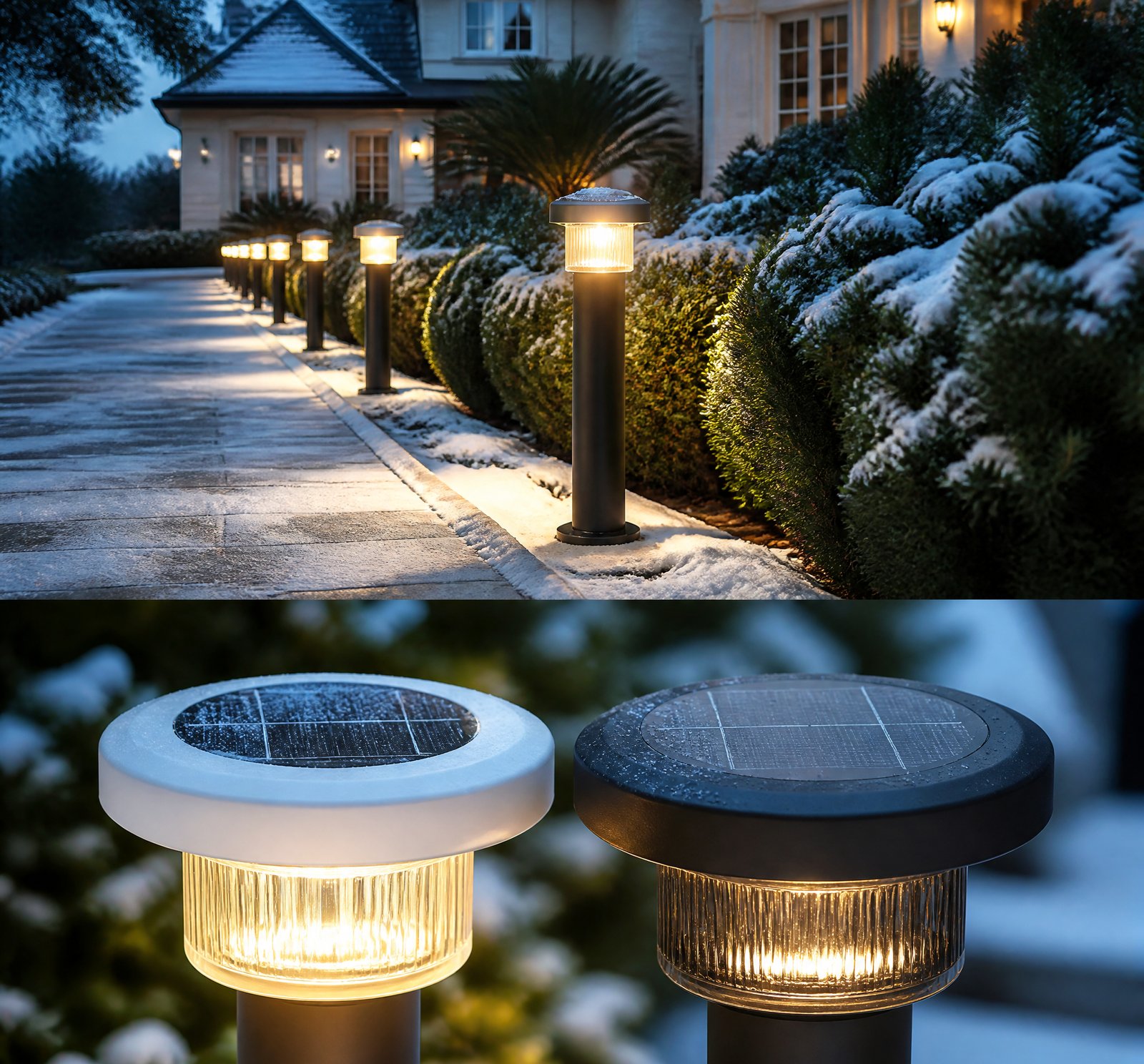
In Romania, cultural fit may be more relevant than survival needs. Cultural preferences can affect adoption; for example, in Uganda, white is associated with funerals, making it an inappropriate color for lamps [19]. In Nicaragua, users preferred the handy format of a lamp, while in Uganda, they favored built-in switches over pull switches [19].
Maintenance and Repair Infrastructure
Maintenance and repair infrastructure are critical. Retailers express concerns about the lack of local expertise to maintain and repair solar products in rural areas [3], which could be a significant barrier to long-term adoption.
In Romania, where technical infrastructure is more developed, this issue is less likely to be a major concern. However, maintenance services still play an important role in promoting sustainable use of solar lighting systems.
Policy and Institutional Support
Policy and institutional support can influence adoption dynamics. In Switzerland, favorable media and policy environments have solidified solar PV deployment [6]. This implies that supportive policies could drive adoption in Romania, though the sources do not evaluate whether such mechanisms exist there.
User Preferences and Usability
User preferences and usability matter even if they are not decisive. In Uganda, users preferred a built-in switch over a pull switch, and in Nicaragua, the portable format was favored [19]. This suggests that usability and familiarity may outweigh technical superiority in adoption decisions.
Comparison Table: Factors Influencing Solar Lighting Adoption
| Factor | Description |
|––––––-|––––––––––––––––––––––––––––––––|
| Grid Reliability | Strongly influences adoption; less relevant in Romania due to widespread access |
| Economic Savings | Reduces household expenses on conventional lighting |
| Financial Accessibility | PayGo models enable broader adoption despite high upfront costs |
| Geographic Factors | Affects system performance, especially seasonal variation |
| Demographic Factors | Influences needs and cultural fit; more relevant in diverse or traditional societies |
| Maintenance | Local expertise ensures long-term sustainability |
Key Takeaways
- While specific data on Romanian adoption is lacking, grid reliability drives solar lighting usage in other regions.
- Economic savings from replacing kerosene and fuel-based lighting are a strong motivator for adoption.
- Financial accessibility through innovative financing models like PayGo enables broader adoption despite high upfront costs.
References
- [1] Impacts_of_PicoPV_and_Consumer_Research_-_energypedia__2ed9d7cd — authority
source passage
the baseline analysis of the GIZ field surveys, households were asked to specify their monthly expenditures for conventional lighting devices, whereas the ex-pot survey assessed to which degree the PicoPV lamps had replaced the use of these traditional lighting devices. The finding across countries was that PicoPV lamps have a true potential to substitute conventional lighting sources to a large degree. The associated substantial savings (and poverty alleviation)potential through the use of PicoPV lamps is underpinned by both the GIZ field survey data on lighting costs and the respective Lighting Africa Market Research results from the large-scale household survey in part II of the research project (n=1000 for each country). Specific Country Experiences Besides the studies mentioned above, market research on PicoPV systems is limited and has so far focused on lighting appliances such as solar lanterns. As rural customers expect more than only light but also other energy services as mobile phone charging or radio, existing studies could be seen as somewhat one-sided. Kenya (ITC) In a study conducted by ITC in Kenya in 1998 people in urban and rural areas were asked for what purpose they would use solar lanterns: The main priority was given to (1) ambient lighting in households. This was followed by the desire for (2) studying and reading, using the light to (3) conducting housework during the dark hours and improving the (4)perceived security by having bright light in or in fr
- [2] Shining_a_light_on_misconceptions_about_solar_home_systems__c426ce28 — authority
source passage
# Shining a light on misconceptions about solar home systems Source: Blog/Web URL: https://blogs.worldbank.org/en/climatechange/shining-light-misconceptions-about-solar-home-systems Author: Jonathan Coony; Joana Sousa Lourenco; Samantha De Martino Date: 2021-06-10 Solar home systems are brightening homes and futures in many remote locations across Sub-Saharan Africa beyond the reach of the electrical grid. In Ethiopia, where more than 60 million people live without access to electricity, the National Electrification Program aims to scale up energy access by 35% through off-grid solutions such as solar home systems. Since many rural households are far from the grid and use electricity primarily for lighting, phone charging, and powering radios, off-grid options offer a viable solution to meet their electricity needs. But many low-income households across Sub-Saharan Africa are still hesitant to adopt solar power despite technology and cost improvements. To understand why, the World Bank’s Carbon Initiative for Development (Ci-Dev) and its Mind, Behavior, and Development Unit (eMBeD) teamed up to explore how societal factors, individual biases, and mindsets influence adoption of solar home systems. We conducted behavioral diagnostics in Ethiopia, Senegal, and Uganda to better understand how people perceive solar power. We identified the roadblocks and developed ways to overcome them, as illustrated in the infographic below. Extensive interviews revealed that many barriers cente
- [3] Impacts_of_PicoPV_and_Consumer_Research_-_energypedia__2ed9d7cd — authority
source passage
replacing fuel-based lighting. The survey also found indication of demand for PicoPV among those parts of the Indian population which have access to the grid, as power supply in most rural areas is highly unreliable.PicoPV may serve as a back-up during power outages for this consumer group which is marked by higher income levels and has a demand for higher quality energy services. The survey also brought to light that most target customers would not be willing to pay 100% up front in cash for purchasing a system. However, these results vary extremely between various regions. Some of the interviewed groups would prefer some form of microfinance option through retailer financing, village co-operatives or saving groups. Tanzania (GIZ) From GIZ experiences in Tanzania, it has been observed that customers prefer to have a switch installed in the house rather than a portable system. Even if it provides only very basic services, there was a preference for small solar home systems at least if they are affordable. Furthermore, a disadvantage of portable systems has been that they can be stolen easily in comparison to a fixed system in the house. A crucial point has also been the recharging of solar lanterns. As they are usually placed outside and oriented to the sun in the morning and remain in the same position throughout the day, the full charging potential cannot be achieved. Worldbank's Lighting Africa has accomplished as well a field test with PicoPV systems. A summary of their r
- [6] Evaluating_the_levelized_costs_and_life_cycle_greenhouse_gas__0ab9b338 — magazine
source passage
a subnational level and explored the socio-technical regimes that foster solar PV adoption (Hirt et al 2021). Thormeyer et al emphasized the importance of accounting for real-world diffusion dynamics in creating spatially explicit models for renewable electricity (Thormeyer et al 2020). Wen et al evaluated statistical and optimization models projecting solar PV installations in Switzerland based on solar PV deployment from 2012 to 2020 at the district level. The authors concluded that the statistical regression model outperformed those based on extrapolation or optimization and stressed the importance of socio-demographic and techno-economic considerations (Wen et al 2023). Other studies explored the influence of energy policies on the dynamics of household adoption (Bach et al 2020), and investigated the policy-related risks and diversity for residential solar PV investments (Petrovich et al 2021, Schmidt et al 2023). In addition to spatial diffusion and policy influences, Hirt demonstrated a consistent and favourable depiction of solar PV in Swiss media and parliamentary discussions, emphasizing the solidification of techno-economic, technocratic, and reactive approaches in solar PV deployment (Hirt 2024). Another recent study by Lonergan et al highlighted the influence of distribution system operators on the uptake of solar PV in Switzerland, revealing that differences in solar PV adoption can be attributed to varying business models, despite a non-discriminatory connectio
- [7] Impacts_of_PicoPV_and_Consumer_Research_-_energypedia__2ed9d7cd — authority
source passage
particular, differed enormously between the countries. African users indicated a higher willingness to pay than users in Bolivia and Nicaragua (again, leaving much room for future validation of applied methods and ways to account for potential behavioural differences between survey countries). The figures obtained through Dutch auctions indicate a WTP of 50-90 USD for lamps of the highest value class from a consumers’ perspective. Lanterns falling into a medium value category were bought at 25- 50 USD. The remaining lanterns were sold for 5-25 USD. In spite of these high willingness to pay indications, a central finding from all the country surveys was that many households at the bottom of the income pyramid, which are in fact the main target population for PicoPV lamps, often lack the required cash availability. Even though the purchase of a lamp would pay off within a few months due to savings on running costs of conventional lighting solutions, consumers, notably in rural areas, mostly do not have the cash available to pay the upfront investment and have no access to financial services which could support by-passing this problem. This is a major a hurdle for the large-scale distribution of PicoPV lamps in LDCs. This is particularly true for the more expensive PicoPV lamp models, which range between 80 and 150 US$ per piece. A consumer credit scheme piloted in Uganda suggests that offering the possibility of payment in rates enhances affordability of the lamps by rural hous
- [8] Solar_Photovoltaic_Power_Potential_by_Country_-_World_Bank_Group__ad2e869d — authority
source passage
Atlantic islands. High-potential countries tend to have low seasonality in solar photovoltaic output, meaning that the resource is relatively constant between different months of the year. In total, 86% of the global population lives in 150 countries where the difference between the maximum and the minimum output between different seasons is below a factor of two, and average daily output is above 3.5 kWh/kWp. Alongside solar resource, the potential for growth in the solar industry is determined by electricity needs; supportive or restrictive policies; costs and payback time; weather-related risks; stability of electricity grids; predictability of solar power supply; interconnection of grids enabling transmission and distribution; and other technical, social, and economic factors. Hence solar PV may still be economically attractive in countries with relatively low solar resource potential due to the prevalence of high electricity prices, or a high daytime peak load from industry or air conditioning. This report aims to provide findings for high-level comparisons between countries and regions on their solar energy potential and is intended to raise awareness, stimulate investment interest, and inform public debate. Many less-developed countries—in terms of the human development index, reliability of electricity supply, and access to electricity—tend to have very high practical solar photovoltaic potential, so far untapped. In Ethiopia just 0.005% of the country’s land area cou
- [9] Solar_lamp_-_Wikipedia__3c516988 — wikipedia
source passage
which has the lowest electricity access rate globally at 40%[15] has benefited greatly through access to solar lamps and complete home lighting solutions. In many regions in Africa inadequate lighting after dusk poses safety risks. Solar lights illuminate dark streets and pathways, enhancing public safety and reducing accidents.[16] Marine settings are increasingly using LED solar lights as alternatives to conventional lighting. The remote nature of boating and sailing makes power hard to come by and thus lends itself to self-sufficient technologies like solar boat lighting[citation needed] American investors have been working towards developing a $10 per unit solar lantern for replacement of kerosene lamps.[17] Solar home lighting solutions can be expensive to purchase. Off-grid solar organizations offer solar home lighting systems through innovative financial mechanisms such as the Pay-As-You-Go model, permitting consumers to power their entire home while paying easy monthly installments. Currently, over 40% of all sales of off-grid solar lighting products in Sub-Saharan Africa are conducted through PayGo, reaching almost 50% in Kenya and 65% in Rwanda.[15] – Light tube – List of solar-powered products – Liter of Light project – Solar device – Solar Street Lighting – Solar thermal collector § Evacuated tube collectors – Susannah, Locke (October 20, 2008). "How does solar power work?". www.scientificamerican.com. Retrieved 2015-10-31. – "How do Photovoltaics Work? – NASA Sci
- [14] Solar_lamp_-_Wikipedia__3c516988 — wikipedia
source passage
used in areas where there is no electrical grid or remote areas that lack a reliable electricity supply.[citation needed] Over 1 billion people around the globe lack electric lighting, which contributes to continued poverty.[citation needed] Solar energy output is limited by weather and can be less effective if it is cloudy, wet, or winter.[citation needed] Households switching to solar lamps from kerosene lamps also gain from health risk associated with kerosene emissions. Kerosene often has negative impacts on human lungs.[9] The use of solar energy minimises the creation of pollution indoors, where kerosene has been linked to cases of health issues. However, photovoltaic panels are made out of silicon and other toxic metals, including lead that can be difficult to dispose of.[citation needed] The use of solar lights improves education for students who live in households without electricity. When the nonprofit Unite to Light donated solar-lamps to schools in a remote region of Kwa Zulu Natal in South Africa, test scores and pass rates improved by over 30%.[10] The light gives students added time to study after dark.[11] A 2017 experimental study in un-electrified areas of northern Bangladesh found that the use of solar lanterns decreased total household expenditure, increased children's home-study hours and increased school attendance. It did not however improve the children's educational achievement to any large extent.[12] These lights provide a convenient and cost-effect
- [15] Little_Sun_Releases_A_New_Solar_Lamp_Designed_By_-_CleanTechnica__8a81521e — authority
source passage
problem that affects women and children disproportionately. As large parts of sub-Saharan Africa are not connected to the electrical grid, there are often no other lighting sources for people to use in studying, working, cooking, or socializing after sunset. Solar light is a healthy, reliable alternative to toxic light sources and dramatically improves health and education levels as well as the socio-economic situation of off-grid communities. In addition to its line of solar products, Little Sun works with more than 600 entrepreneurs in sub-Saharan Africa, giving them micro-entrepreneurial training and funding to help them set up their own small solar businesses. By selling the Little Sun products, they bring light and income to their communities. Besides making life after dark easier for rural communities in Africa, the robust and weather-resistant power packs are available in Europe and North America, where they can be valuable for teaching children about solar energy, or used as reading lights when camping. The sales in areas with access to electricity subsidize the distribution of solar lamps in sub-Saharan Africa, where the company brings them to people living without electricity as a clean alternative to kerosene lamps and at reduced, locally affordable prices. A little piece of sunshine wherever you go, the Little Sun Diamond is the best friend for anyone who needs a light to read or cook by, as well as for backpackers, campers, and travelers. Five hours of charging i
- [16] Outdoor_Solar_Lighting_Department_of_Energy__bbe3fc64 — blog
source passage
# Outdoor Solar Lighting Source: Blog/Web URL: https://www.energy.gov/energysaver/outdoor-solar-lighting Author: Date: 2012-07-29 Outdoor solar lights are easy to install and virtually maintenance free. Best of all, using them won't increase your electric bill. Popular home uses for outdoor solar lighting include pathway light sets, wall-mounted lamps, freestanding lamp posts, and security lights. Outdoor solar lighting systems use solar cells, which convert sunlight into electricity. The electricity is stored in batteries for use at night. Manufacturers most commonly use nickel cadmium, sealed lead acid, and lead acid batteries. Outdoor solar lighting systems work well in most areas of the United States. However, it is important to consider geographic and site-specific variables when choosing a product. A solar lighting system will work well only as long as the solar cells receive the manufacturer's recommended hours of sunlight. The "nightly run time" listings on most outdoor solar lighting systems are based on specific sunlight conditions. Outdoor solar lights located in places that receive less sunlight than the solar cells need will operate for fewer hours per night than expected. Nightly run times may also vary depending on how clear the sky is on any given day. Operating times in the winter months may vary as much as 30%–50% unless the solar lighting system has been sized specifically for winter operation. If the solar cells are shaded by landscape features (such as tr
- [17] Outdoor_Solar_Lighting_-_Department_of_Energy__bbe3fc64 — authority
source passage
# Outdoor Solar Lighting Source: Blog/Web URL: https://www.energy.gov/energysaver/outdoor-solar-lighting Author: Date: 2012-07-29 Outdoor solar lights are easy to install and virtually maintenance free. Best of all, using them won't increase your electric bill. Popular home uses for outdoor solar lighting include pathway light sets, wall-mounted lamps, freestanding lamp posts, and security lights. Outdoor solar lighting systems use solar cells, which convert sunlight into electricity. The electricity is stored in batteries for use at night. Manufacturers most commonly use nickel cadmium, sealed lead acid, and lead acid batteries. Outdoor solar lighting systems work well in most areas of the United States. However, it is important to consider geographic and site-specific variables when choosing a product. A solar lighting system will work well only as long as the solar cells receive the manufacturer's recommended hours of sunlight. The "nightly run time" listings on most outdoor solar lighting systems are based on specific sunlight conditions. Outdoor solar lights located in places that receive less sunlight than the solar cells need will operate for fewer hours per night than expected. Nightly run times may also vary depending on how clear the sky is on any given day. Operating times in the winter months may vary as much as 30%–50% unless the solar lighting system has been sized specifically for winter operation. If the solar cells are shaded by landscape features (such as tr
- [19] Impacts_of_PicoPV_and_Consumer_Research_-_energypedia__2ed9d7cd — authority
source passage
think ahead and are not interested in products that may be relatively cheap but have to be replaced after a short time. There is also concern among all potential retailers that maintenance and repair services may be a major hurdle towards the development of PicoPV markets in rural areas, where there is no local expertise on these new kinds of products. The field survey also revealed certain reservations by different consumer groups against some visual design features that will have to be taken into account for any successful PicoPV marketing strategy. For example, people had very particular positive or negative associations with certain colors or forms which might have an impact on their purchasing decision even though they said that these product features were not decisive factors. One lantern, for example, reminded Ugandan women of a camera, which limited its attractiveness, while in Nicaragua people particularly liked the handy format of the lamp. In Mozambique, one of the lamp models was described as “masculine” so that women would hesitate to use it. In Uganda, white is associated with religious ceremonies like funerals and therefore not regarded an appropriate color for a lamp. In Ethiopia, a large angle of radiation was preferred over a high number of lumens. Portable lamps were favored. Users preferred a built-in switch instead of a pull switch. Furthermore, bright, white light was clearly chosen over yellow colored light. Regulators in order to adjust the level of br
the baseline analysis of the GIZ field surveys, households were asked to specify their monthly expenditures for conventional lighting devices, whereas the ex-pot survey assessed to which degree the PicoPV lamps had replaced the use of these traditional lighting devices. The finding across countries was that PicoPV lamps have a true potential to substitute conventional lighting sources to a large degree. The associated substantial savings (and poverty alleviation)potential through the use of PicoPV lamps is underpinned by both the GIZ field survey data on lighting costs and the respective Lighting Africa Market Research results from the large-scale household survey in part II of the research project (n=1000 for each country). Specific Country Experiences Besides the studies mentioned above, market research on PicoPV systems is limited and has so far focused on lighting appliances such as solar lanterns. As rural customers expect more than only light but also other energy services as mobile phone charging or radio, existing studies could be seen as somewhat one-sided. Kenya (ITC) In a study conducted by ITC in Kenya in 1998 people in urban and rural areas were asked for what purpose they would use solar lanterns: The main priority was given to (1) ambient lighting in households. This was followed by the desire for (2) studying and reading, using the light to (3) conducting housework during the dark hours and improving the (4)perceived security by having bright light in or in fr
# Shining a light on misconceptions about solar home systems Source: Blog/Web URL: https://blogs.worldbank.org/en/climatechange/shining-light-misconceptions-about-solar-home-systems Author: Jonathan Coony; Joana Sousa Lourenco; Samantha De Martino Date: 2021-06-10 Solar home systems are brightening homes and futures in many remote locations across Sub-Saharan Africa beyond the reach of the electrical grid. In Ethiopia, where more than 60 million people live without access to electricity, the National Electrification Program aims to scale up energy access by 35% through off-grid solutions such as solar home systems. Since many rural households are far from the grid and use electricity primarily for lighting, phone charging, and powering radios, off-grid options offer a viable solution to meet their electricity needs. But many low-income households across Sub-Saharan Africa are still hesitant to adopt solar power despite technology and cost improvements. To understand why, the World Bank’s Carbon Initiative for Development (Ci-Dev) and its Mind, Behavior, and Development Unit (eMBeD) teamed up to explore how societal factors, individual biases, and mindsets influence adoption of solar home systems. We conducted behavioral diagnostics in Ethiopia, Senegal, and Uganda to better understand how people perceive solar power. We identified the roadblocks and developed ways to overcome them, as illustrated in the infographic below. Extensive interviews revealed that many barriers cente
replacing fuel-based lighting. The survey also found indication of demand for PicoPV among those parts of the Indian population which have access to the grid, as power supply in most rural areas is highly unreliable.PicoPV may serve as a back-up during power outages for this consumer group which is marked by higher income levels and has a demand for higher quality energy services. The survey also brought to light that most target customers would not be willing to pay 100% up front in cash for purchasing a system. However, these results vary extremely between various regions. Some of the interviewed groups would prefer some form of microfinance option through retailer financing, village co-operatives or saving groups. Tanzania (GIZ) From GIZ experiences in Tanzania, it has been observed that customers prefer to have a switch installed in the house rather than a portable system. Even if it provides only very basic services, there was a preference for small solar home systems at least if they are affordable. Furthermore, a disadvantage of portable systems has been that they can be stolen easily in comparison to a fixed system in the house. A crucial point has also been the recharging of solar lanterns. As they are usually placed outside and oriented to the sun in the morning and remain in the same position throughout the day, the full charging potential cannot be achieved. Worldbank's Lighting Africa has accomplished as well a field test with PicoPV systems. A summary of their r
a subnational level and explored the socio-technical regimes that foster solar PV adoption (Hirt et al 2021). Thormeyer et al emphasized the importance of accounting for real-world diffusion dynamics in creating spatially explicit models for renewable electricity (Thormeyer et al 2020). Wen et al evaluated statistical and optimization models projecting solar PV installations in Switzerland based on solar PV deployment from 2012 to 2020 at the district level. The authors concluded that the statistical regression model outperformed those based on extrapolation or optimization and stressed the importance of socio-demographic and techno-economic considerations (Wen et al 2023). Other studies explored the influence of energy policies on the dynamics of household adoption (Bach et al 2020), and investigated the policy-related risks and diversity for residential solar PV investments (Petrovich et al 2021, Schmidt et al 2023). In addition to spatial diffusion and policy influences, Hirt demonstrated a consistent and favourable depiction of solar PV in Swiss media and parliamentary discussions, emphasizing the solidification of techno-economic, technocratic, and reactive approaches in solar PV deployment (Hirt 2024). Another recent study by Lonergan et al highlighted the influence of distribution system operators on the uptake of solar PV in Switzerland, revealing that differences in solar PV adoption can be attributed to varying business models, despite a non-discriminatory connectio
particular, differed enormously between the countries. African users indicated a higher willingness to pay than users in Bolivia and Nicaragua (again, leaving much room for future validation of applied methods and ways to account for potential behavioural differences between survey countries). The figures obtained through Dutch auctions indicate a WTP of 50-90 USD for lamps of the highest value class from a consumers’ perspective. Lanterns falling into a medium value category were bought at 25- 50 USD. The remaining lanterns were sold for 5-25 USD. In spite of these high willingness to pay indications, a central finding from all the country surveys was that many households at the bottom of the income pyramid, which are in fact the main target population for PicoPV lamps, often lack the required cash availability. Even though the purchase of a lamp would pay off within a few months due to savings on running costs of conventional lighting solutions, consumers, notably in rural areas, mostly do not have the cash available to pay the upfront investment and have no access to financial services which could support by-passing this problem. This is a major a hurdle for the large-scale distribution of PicoPV lamps in LDCs. This is particularly true for the more expensive PicoPV lamp models, which range between 80 and 150 US$ per piece. A consumer credit scheme piloted in Uganda suggests that offering the possibility of payment in rates enhances affordability of the lamps by rural hous
Atlantic islands. High-potential countries tend to have low seasonality in solar photovoltaic output, meaning that the resource is relatively constant between different months of the year. In total, 86% of the global population lives in 150 countries where the difference between the maximum and the minimum output between different seasons is below a factor of two, and average daily output is above 3.5 kWh/kWp. Alongside solar resource, the potential for growth in the solar industry is determined by electricity needs; supportive or restrictive policies; costs and payback time; weather-related risks; stability of electricity grids; predictability of solar power supply; interconnection of grids enabling transmission and distribution; and other technical, social, and economic factors. Hence solar PV may still be economically attractive in countries with relatively low solar resource potential due to the prevalence of high electricity prices, or a high daytime peak load from industry or air conditioning. This report aims to provide findings for high-level comparisons between countries and regions on their solar energy potential and is intended to raise awareness, stimulate investment interest, and inform public debate. Many less-developed countries—in terms of the human development index, reliability of electricity supply, and access to electricity—tend to have very high practical solar photovoltaic potential, so far untapped. In Ethiopia just 0.005% of the country’s land area cou
which has the lowest electricity access rate globally at 40%[15] has benefited greatly through access to solar lamps and complete home lighting solutions. In many regions in Africa inadequate lighting after dusk poses safety risks. Solar lights illuminate dark streets and pathways, enhancing public safety and reducing accidents.[16] Marine settings are increasingly using LED solar lights as alternatives to conventional lighting. The remote nature of boating and sailing makes power hard to come by and thus lends itself to self-sufficient technologies like solar boat lighting[citation needed] American investors have been working towards developing a $10 per unit solar lantern for replacement of kerosene lamps.[17] Solar home lighting solutions can be expensive to purchase. Off-grid solar organizations offer solar home lighting systems through innovative financial mechanisms such as the Pay-As-You-Go model, permitting consumers to power their entire home while paying easy monthly installments. Currently, over 40% of all sales of off-grid solar lighting products in Sub-Saharan Africa are conducted through PayGo, reaching almost 50% in Kenya and 65% in Rwanda.[15] – Light tube – List of solar-powered products – Liter of Light project – Solar device – Solar Street Lighting – Solar thermal collector § Evacuated tube collectors – Susannah, Locke (October 20, 2008). "How does solar power work?". www.scientificamerican.com. Retrieved 2015-10-31. – "How do Photovoltaics Work? – NASA Sci
used in areas where there is no electrical grid or remote areas that lack a reliable electricity supply.[citation needed] Over 1 billion people around the globe lack electric lighting, which contributes to continued poverty.[citation needed] Solar energy output is limited by weather and can be less effective if it is cloudy, wet, or winter.[citation needed] Households switching to solar lamps from kerosene lamps also gain from health risk associated with kerosene emissions. Kerosene often has negative impacts on human lungs.[9] The use of solar energy minimises the creation of pollution indoors, where kerosene has been linked to cases of health issues. However, photovoltaic panels are made out of silicon and other toxic metals, including lead that can be difficult to dispose of.[citation needed] The use of solar lights improves education for students who live in households without electricity. When the nonprofit Unite to Light donated solar-lamps to schools in a remote region of Kwa Zulu Natal in South Africa, test scores and pass rates improved by over 30%.[10] The light gives students added time to study after dark.[11] A 2017 experimental study in un-electrified areas of northern Bangladesh found that the use of solar lanterns decreased total household expenditure, increased children's home-study hours and increased school attendance. It did not however improve the children's educational achievement to any large extent.[12] These lights provide a convenient and cost-effect
problem that affects women and children disproportionately. As large parts of sub-Saharan Africa are not connected to the electrical grid, there are often no other lighting sources for people to use in studying, working, cooking, or socializing after sunset. Solar light is a healthy, reliable alternative to toxic light sources and dramatically improves health and education levels as well as the socio-economic situation of off-grid communities. In addition to its line of solar products, Little Sun works with more than 600 entrepreneurs in sub-Saharan Africa, giving them micro-entrepreneurial training and funding to help them set up their own small solar businesses. By selling the Little Sun products, they bring light and income to their communities. Besides making life after dark easier for rural communities in Africa, the robust and weather-resistant power packs are available in Europe and North America, where they can be valuable for teaching children about solar energy, or used as reading lights when camping. The sales in areas with access to electricity subsidize the distribution of solar lamps in sub-Saharan Africa, where the company brings them to people living without electricity as a clean alternative to kerosene lamps and at reduced, locally affordable prices. A little piece of sunshine wherever you go, the Little Sun Diamond is the best friend for anyone who needs a light to read or cook by, as well as for backpackers, campers, and travelers. Five hours of charging i
# Outdoor Solar Lighting Source: Blog/Web URL: https://www.energy.gov/energysaver/outdoor-solar-lighting Author: Date: 2012-07-29 Outdoor solar lights are easy to install and virtually maintenance free. Best of all, using them won't increase your electric bill. Popular home uses for outdoor solar lighting include pathway light sets, wall-mounted lamps, freestanding lamp posts, and security lights. Outdoor solar lighting systems use solar cells, which convert sunlight into electricity. The electricity is stored in batteries for use at night. Manufacturers most commonly use nickel cadmium, sealed lead acid, and lead acid batteries. Outdoor solar lighting systems work well in most areas of the United States. However, it is important to consider geographic and site-specific variables when choosing a product. A solar lighting system will work well only as long as the solar cells receive the manufacturer's recommended hours of sunlight. The "nightly run time" listings on most outdoor solar lighting systems are based on specific sunlight conditions. Outdoor solar lights located in places that receive less sunlight than the solar cells need will operate for fewer hours per night than expected. Nightly run times may also vary depending on how clear the sky is on any given day. Operating times in the winter months may vary as much as 30%–50% unless the solar lighting system has been sized specifically for winter operation. If the solar cells are shaded by landscape features (such as tr
# Outdoor Solar Lighting Source: Blog/Web URL: https://www.energy.gov/energysaver/outdoor-solar-lighting Author: Date: 2012-07-29 Outdoor solar lights are easy to install and virtually maintenance free. Best of all, using them won't increase your electric bill. Popular home uses for outdoor solar lighting include pathway light sets, wall-mounted lamps, freestanding lamp posts, and security lights. Outdoor solar lighting systems use solar cells, which convert sunlight into electricity. The electricity is stored in batteries for use at night. Manufacturers most commonly use nickel cadmium, sealed lead acid, and lead acid batteries. Outdoor solar lighting systems work well in most areas of the United States. However, it is important to consider geographic and site-specific variables when choosing a product. A solar lighting system will work well only as long as the solar cells receive the manufacturer's recommended hours of sunlight. The "nightly run time" listings on most outdoor solar lighting systems are based on specific sunlight conditions. Outdoor solar lights located in places that receive less sunlight than the solar cells need will operate for fewer hours per night than expected. Nightly run times may also vary depending on how clear the sky is on any given day. Operating times in the winter months may vary as much as 30%–50% unless the solar lighting system has been sized specifically for winter operation. If the solar cells are shaded by landscape features (such as tr
think ahead and are not interested in products that may be relatively cheap but have to be replaced after a short time. There is also concern among all potential retailers that maintenance and repair services may be a major hurdle towards the development of PicoPV markets in rural areas, where there is no local expertise on these new kinds of products. The field survey also revealed certain reservations by different consumer groups against some visual design features that will have to be taken into account for any successful PicoPV marketing strategy. For example, people had very particular positive or negative associations with certain colors or forms which might have an impact on their purchasing decision even though they said that these product features were not decisive factors. One lantern, for example, reminded Ugandan women of a camera, which limited its attractiveness, while in Nicaragua people particularly liked the handy format of the lamp. In Mozambique, one of the lamp models was described as “masculine” so that women would hesitate to use it. In Uganda, white is associated with religious ceremonies like funerals and therefore not regarded an appropriate color for a lamp. In Ethiopia, a large angle of radiation was preferred over a high number of lumens. Portable lamps were favored. Users preferred a built-in switch instead of a pull switch. Furthermore, bright, white light was clearly chosen over yellow colored light. Regulators in order to adjust the level of br