
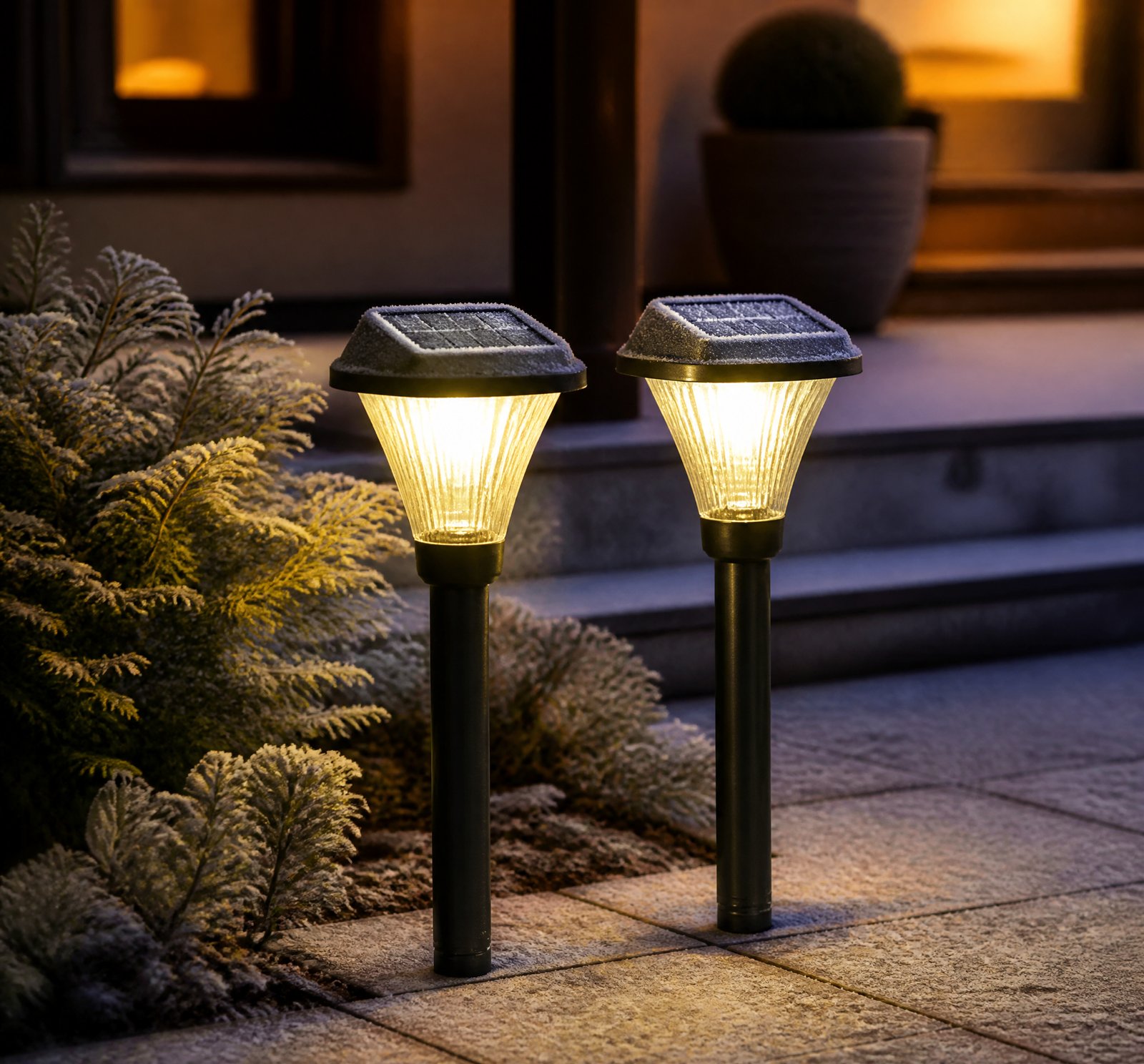
> Quick answer: Moisture ingress through a compromised IP65 seal in solar lamps leads to electrical failure due to short circuits or corrosion of electronic components [7][13]. Advanced testing protocols, including thermal shock and water immersion, better predict field reliability by simulating real-world environmental stressors.
Moisture ingress can significantly impact the long-term performance and safety of solar lamps. Understanding how this issue manifests and the advanced testing methods that help mitigate these risks is crucial for ensuring reliable solar lighting systems in Romania.
How Moisture Ingress Affects Solar Lamp Reliability
Moisture ingress through a compromised IP65 seal primarily results in electrical failure due to short circuits or corrosion of electronic components, particularly under humidity and temperature cycling [7][13]. The integrity of the seal is often vulnerable due to material mismatch, where differing thermal expansion rates between enclosure materials can cause cracks over time [7][16]. Once moisture penetrates the enclosure, it can lead to corrosion, delamination, or dielectric breakdown, causing intermittent operation, reduced output, or complete failure after prolonged exposure [1][5][11].
Advanced Testing Protocols Beyond IP65
To better predict field reliability beyond standard IP65 ratings, testing protocols that simulate real-world environmental stressors are essential. The IEC 61215 and IEC 61646 standards include humidity freeze tests with 10 cycles of 24 hours at −40°C to 85°C in 85% relative humidity [11][14]. These tests simulate thermal and moisture stresses that solar lamps face outdoors, including rapid temperature shifts and high humidity.
Thermal Shock and Water Immersion Tests
Thermal shock and water immersion tests are more effective than standard IP ratings alone for assessing long-term durability [6][12]. For instance, AESOLAR’s validation of carport modules against DIN ISO 12543-4 includes a 100°C high-temperature test, a two-week 100% RH condensation test, and a 2,000-hour UV radiation test [21]. These tests help identify vulnerabilities that may lead to field failure.
Installation Practices and Material Compatibility
Installation practices also play a critical role in ensuring reliability. Poor installation can compromise sealing integrity, even in devices with robust enclosures [2][25]. The use of different materials in enclosures—such as metal, plastic, and silicone—can lead to seal fatigue due to differential expansion, even if the initial IP65 rating is met [7][16].
Limitations of Standard Accelerated Aging Tests
Standard accelerated aging tests, such as damp heat at 85°C and 85% RH, may over-test components and produce non-representative failures, particularly in DC capacitors where moisture ingress is modeled through thermally coupled permeation simulations [6]. The results show that while high-stress tests are useful for screening, they may not accurately predict long-term field performance unless correlated with real-world data [20].
Real-World UV Exposure and Recovery Mechanisms
Real-world UV exposure can significantly vary from lab test conditions. The UNSW study found that tracking systems experience up to twice the UV degradation rate compared to fixed-tilt systems, indicating current standards underestimate real-world UV exposure [23]. Moreover, some modules show significant recovery after UV exposure in sunlight, suggesting dynamic testing is crucial for accurate reliability assessment [18][23].
Key Takeaways
- Moisture ingress through compromised IP65 seals leads to electrical failure due to short circuits or corrosion.
- Advanced testing protocols, including thermal shock and water immersion tests, better predict field reliability by simulating real-world conditions.
- Installation practices and material compatibility significantly impact the durability of solar lamps.
Comparison Table: Testing Protocols
| Test Protocol | Conditions | Standards/Certifications |
|–––––|–––––––––|–––––––––––––––-|
| Humidity Freeze Tests | 10 cycles at −40°C to 85°C in 85% RH | IEC 61215, IEC 61646 [11][14] |
| High-Temperature and Condensation Test | 100°C high-temperature test; two-week 100% RH condensation | DIN ISO 12543-4 [21] |
Summary
While IP65 provides a baseline for ingress protection, it does not guarantee long-term reliability in solar lamps. Advanced testing protocols that simulate real-world conditions are essential to ensure the durability and safety of solar lighting systems.
References
- [1] Performance_Testing_for_Lighting_Products_-_Intertek__f7923259 — authority
source passage
water. IP testing determines the product's ability to resist ingress and provides a standardized rating that indicates its level of protection. – Cybersecurity Testing: This type of testing involves evaluating the security measures implemented within the lighting system to identify potential vulnerabilities and assess their resilience against cyber threats. As lighting products become more connected and integrated into smart building systems, it is crucial to ensure that they have robust cybersecurity measures in place to protect against unauthorized access, data breaches, and potential disruptions. – Germicidal Testing: This testing involves evaluating the effectiveness in disinfecting or inactivating microorganisms, such as bacteria, viruses, and other pathogens. This type of testing is particularly relevant for lighting products that incorporate germicidal technologies, such as ultraviolet (UV) disinfection. – Environmental and Durability Testing: This type of testing assesses the durability of lighting products under various conditions. It may involve subjecting the products to environmental tests such as vibration, humidity, temperature cycling, and accelerated aging to simulate real-world usage and ensure their performance and lifespan. – Accelerated Stress Testing (AST): This testing simulates “real-life” conditions to provide necessary evaluation data that helps ensure a product’s life and reliability, which can save both time and money in various applications Downloa
- [2] PV_Connectors_Energy__075705d0 — authority
source passage
of some metals to high humidity and other environmental stressors; – Supply-chain pressures that lead to cost-cuts in manufacturing, including materials substitution and reduction; – Prevalence of low-quality replacement connectors that are vulnerable to ingress of moisture /and particulates. A Four-Part Investigation Our research spans these topic areas: Onsite inspections include visual inspections for evidence of cross-mating, separation or loose connections, and signs of heat deformation; and thermal inspection via a handheld long-wave infrared camera. Onsite data collection will include connector type, manufacturer and serial number, if known, location of connector in the array, and site metadata, including module make and model, system age, climate zone, exposure to extreme weather, etc. This task will also include development of a master spreadsheet to ensure thorough and consistent data across multiple sites. Connectors removed from photovoltaic systems as a result of onsite inspections, commercially off-the-shelf connectors and connectors obtained via the project’s mail-in program, will be subjected to materials characterization and forensics analysis. The COTS connectors will represent a statistically significant number of each type, based on such data as market share, unit price, morphology and country of origin, and will provide important data on the variation in quality of connectors being sold in the US. Techno-economic analysis (TEA) data will be collected in p
- [5] Advanced_silicone_gels_protect_IGBT7_modules_in_PV_inverters__ca968923 — magazine
source passage
gels also exhibit excellent thermal stability, the ability of a material to retain its physical properties when subjected to heat. Importantly, these gels maintain their flexibility and strength through repeated heating and cooling cycles, a common occurrence since solar power production and ambient temperatures increase during the day before power production stops and ambient temperatures fall at night. In power electronics like IGBT7 modules, thermal cycling is also important because load cycling and switching losses can cause temperatures to fluctuate significantly. Moisture resistance and high-voltage protection Advanced silicone gels resist moisture and contaminants that can cause short circuits or corrosion in electronics. When poured into an electronic enclosure, these gels encapsulate electronics and fill voids between IGBTs. Photovoltaic inverters are usually housed in metal or plastic cabinets, but poorly sealed doors, vents or cable entry points can allow the ingress of unwanted substances. Because PV enclosure cabinets are often located outdoors, the ingress of moisture and dust are concerns. These contaminants can also enter an enclosure during routine checks or maintenance activities. To help prevent contamination, PV enclosures are sealed using mechanical gaskets, but these seals are not enough. Ingress Protection (IP) standards describe the degree of protection that a sealed enclosure provides. Higher IP ratings denote greater levels of protection against wate
- [6] Inverters_and_power_modules_are_key_in_energy_management_-_PV_Tech__2a128211 — authority
source passage
their chemical decomposition. The usual test conditions for lifetime predictions (e.g. T=85 degrees Celsius, F=85% rH) lead to over-testing of the components and to non-representative failures, especially in DC capacitors with the design shown above. For well-founded lifetime predictions, the test conditions must be adapted and further correlated with field data. Moisture ingress Thermally coupled permeation simulations were carried out to visualise the moisture ingress numerically and to provide a base for simulated lifetime estimation. The analytical results show that the moisture ingress starts from the top of the capacitor in the area of the plastic cap. Therefore, the material characteristics of the polyurethane encapsulation and the foil stack were determined experimentally at T=50 degrees Celsius and T=85 degrees Celsius with F=85% rH in each case and the resulting time-dependent moisture distribution in the capacitor was simulated (Figure 4). The results after t=~500 hours initially show a distribution of moisture in the PU above the metallisation. After t=~5,000 hours, the distribution of moisture in the PU has progressed, with the higher diffusion coefficient at T=85 degrees Celsius becoming apparent by the deeper penetration. After ~10,000 hours, the moisture has also diffused into the films. The higher diffusion coefficient of the films at T=85 degrees Celsius is also reflected in the simulation results. In summary, it can be concluded that the accelerated tests f
- [7] US8585245B2_-_Systems_and_methods_for_sealing_-_Google_Patents__154e7e2e — patent
source passage
systems, such as the lighting systems may be used in a variety of applications and deployed in many different settings and environments. Lighting fixtures may be used in environments that are prone to exposure to natural elements, such as rain, snow, heat, cold, humidity, water or wind. These and other natural elements may cause problems and even malfunctions of lighting units which may include electronic and/or electrical components. Short circuit contacts may be caused by water or humidity which may destroy the electronic components such as switches or processors, thus decreasing the life span of the lighting fixtures and increasing the maintenance cost. Shielding the lighting units from these natural elements may become even more challenging as the rates of extension and contraction of different materials used for building the lighting fixtures may vary. This variation in extension and contraction rates between different materials may cause seals to crack along the interfaces of these materials. The cracks may provide openings for leakages, which may be even exacerbated by future contractions and expansions of materials as some parts of lighting units expand much more than other parts. The present disclosure addresses these issues by providing a reliable and comprehensive enclosure system that seals a lighting fixture from outside elements. The systems, apparatuses and techniques of the present disclosure provide a lasting seal for the lighting fixture regardless of the ra
- [11] US8847063B2_-_Encapsulation_of_solar_cells_-_Google_Patents__afa4ee8d — patent
source passage
after application by a curtain coater the adhesive was cured in the module in a Mid IR oven having a temperature profile of 120° C. and a speed of 0.5 m per minute for a length of 5 m. The electrical capabilities were measured before and after the 10 day aging process set down in the Humidity Freeze test described in IEC 1215, which comprised 10 cycles of 24 hours with the temperature varying from −40° C. to 85° C. in 85% relative Humidity (RH) Sample Characterization: Electrical characterization of the specimen has been done before and after conditioning, results are summarized in table 6 below None of the samples were showing discoloration or delamination and were passing the wet leakage current test as described in the IEC 1215 after the conditioning. In accordance with the requirements of IEC 1215 after conditioning a sample should not show any open circuit or leakage current, any visual defect and any decrease in maximum power should not be greater than 5% all of which the thin film modules of the present invention using the encapsulant alone (i.e. no adhesive layer required). These findings are totally contrary to the expectations of the industry and use of a silicone encapsulant as hereinbefore described is able to provide the level of protection suitable for solar or photovoltaic module of a polycrystalline Silicon wafer type. In this case the only difference from example 8 was the change in the solar cells used. The adhesive and encapsulant compositions were as descr
- [12] Environmental_Conditions_That_Impact_Industrial_Lighting_Reliability__ab57af9a — magazine
source passage
to humidity, washdowns or salt spray may experience accelerated corrosion of fixture housings and mounting hardware. Over time, this corrosion can compromise both lighting performance and fixture integrity. Lighting systems designed for these environments often incorporate protective finishes, corrosion-resistant materials and sealed enclosures to help maintain durability under these conditions. Vibration and Mechanical Stress Continuous vibration from heavy industrial equipment is another factor that can affect lighting reliability. Fixtures mounted near motors, conveyors or other machinery may experience constant mechanical stress over time. Although LED lighting technology is generally more robust than traditional light sources, poorly designed fixtures can still suffer failures related to vibration. Drivers, electrical connections, and mechanical components may loosen or degrade if they are not engineered to withstand these conditions. Fixtures tested for vibration resistance and designed with rugged mechanical construction are better suited for environments where equipment operates continuously. Considering Environmental Conditions in Lighting Design Lighting plays a critical role in maintaining safe and efficient operations across industrial facilities. However, environmental factors such as dust, chemical exposure, high temperatures, moisture and vibration can all influence how reliably lighting systems perform over time. Evaluating these environmental conditions durin
- [13] Preventing_Electronic_Corrosion_in_Solar_Lights_-_Lighting_Global__2847d2ff — authority
source passage
# Preventing Electronic Corrosion in Solar Lights – Lighting Global Source: Blog/Web URL: https://www.lightingglobal.org/preventing-electronic-corrosion-in-solar-lights/ Author: Jen Date: 2013-09-27 Preventing Electronic Corrosion in Solar Lights Lighting Global has published the 14th issue of the Technical Briefing Notes titled “Protection from the Elements Part III: Corrosion of Electronics“. This is the third article in a four-part series examining the environmental durability of pico-powered lighting products. The article describes the chemical processes and environmental mechanisms of electronic corrosion in a solar lighting system, and provides steps manufacturers can take to increase the corrosion resistance of their products. It notes that most pico‐powered lighting products are exposed to intense sunlight and heat on a daily basis. They are also continually moved around because of their portability rendering them vulnerable to drops and spills. Furthermore, they get dirty from ground contact and rough handling, and many will be exposed to water in the form of rainfall, moisture in the air, and groundwater contact making their components vulnerable to corrosion. “The electronic nature of pico‐powered lighting products coupled with their typical service environment creates an atmosphere that can be very conducive to corrosion. The batteries, electronic circuit boards, LED lights, and multiple external connectors (for wires between product components) are all potentiall
- [14] US8847063B2_-_Encapsulation_of_solar_cells_-_Google_Patents__afa4ee8d — patent
source passage
% of diallylmaleate cure inhibitor, 0.11 weight % of platinum catalyst and 0.38 weight % of dimethylhydrogen siloxy terminated trifluoropropyl silsesquioxane. The encapsulant was applied onto the module manually and after levelling, was cured in a standard oven at a temperature of 120° C. for 20 mins. The electrical capabilities were measured before and after the 10 day aging process set down in the Humidity Freeze test described in IEC 1646, which comprised 10 cycles of 24 hours with the temperature varying from −40° C. to 85° C. in 85% relative Humidity (RH) and the results are provided in Table 4 below None of the samples tested showed any discoloration or delamination and all samples passed the standard wet leakage current test as defined in the IEC 1646 after the conditioning period. In accordance with the requirements of IEC 1646 after conditioning a sample should not show any open circuit or leakage current, any visual defect and any decrease in maximum power should not be greater than 5% all of which the thin film modules of the present invention using the encapsulant alone (i.e. no adhesive layer required). These findings are totally contrary to the expectations of the industry and use of a silicone encapsulant as hereinbefore described is able to provide the level of protection suitable for solar or photovoltaic module. With the exception that the glass was washed with ethanol instead of acetone and that a different type of commercially available solar cell was used
- [16] US8585245B2_-_Systems_and_methods_for_sealing_-_Google_Patents__154e7e2e — patent
source passage
may cause problems and even malfunctions of lighting units which may include electronic and/or electrical components. Short circuit contacts may be caused by water or humidity which may destroy the electronic components such as switches or processors, thus decreasing the life span of the lighting fixtures and increasing the maintenance cost. Shielding the lighting units from these natural elements may become even more challenging as the rates of extension and contraction of different materials used for building the lighting fixtures may vary. This variation in extension and contraction rates between different materials may cause seals to crack along the interfaces of these materials. The cracks may provide openings for leakages, which may be even exacerbated by future contractions and expansions of materials as some parts of lighting units expand much more than other parts. – the present disclosure addresses these issues by providing a reliable and comprehensive enclosure system that seals a lighting fixture from outside elements. – the systems, apparatuses and techniques of the present disclosure provide a lasting seal for the lighting fixture regardless of the rates of expansion and contraction different materials may experience. – the systems, apparatuses and techniques described herein also allow for a water-tight seal regardless of sizes and lengths of enclosure components. – the solution presented may utilize one or more silicone gaskets in combination with one or more
- [18] Fraunhofer_ISE_evaluates_common_UV_tests_for_TOPCon_modules_for__b48bffd7 — authority
source passage
it remains necessary to further analyze the phenomenon to more accurately predict the long-term effects of UV-induced degradation on module yield.” The investigations by the Fraunhofer ISE research team indicate that UV irradiation during the tests destabilizes the modules to such an extent that they lose a great deal of efficiency during dark storage after UV exposure. Subsequent irradiation with sunlight, on the other hand, leads to a significant recovery effect. Field tests at the Fraunhofer ISE Outdoor Performance Lab with TOPCon modules and analyses of 'field returns' at the institute's CalLab PV Modules, indicate that this stabilization process provides degradation measurements that are significantly closer to the values measured in practice. Some PV modules showed hardly any degradation after UV testing at 60 kilowatt hours per square meter, which roughly corresponds to the UV exposure in one year in Germany, and subsequent stabilization under sunlight. Other modules still showed significant power losses of up to 5 percent even after stabilization. Overall, however, the degradation is significantly less drastic than the standard UV tests suggest. Laboratory UV tests simulate the natural UV radiation to which PV modules are exposed in the field and on roofs, but significantly increase the intensity of the irradiation to accelerate aging and thus be able to predict long-term power losses. Last modified:
- [20] IEA_PVPS_Report_On_Mitigating_Solar_PV_Degradation_For_Long-Term__d1e8fa41 — magazine
source passage
# IEA PVPS Report On Mitigating Solar PV Degradation For Long-Term Efficiency Source: Blog/Web URL: https://taiyangnews.info/technology/iea-pvps-solar-module-degradation-report-task-13 Author: Anu Bhambhani Date: 2025-02-26 IEA PVPS’ latest Task 13 report delves into the degradation challenges in new cell and module technologies Standard tests under the IEC 61215 series are not enough since these don’t look into the stability aspect of polymer materials Writers recommend reviewing past reports on degradation modes and conducting accelerated testing to minimize failures A new report from the International Energy Agency Photovoltaic Power Systems Programme (IEA PVPS) under Task 13 looks into innovations in solar PV technology that address known degradation challenges. But as new failure modes in emerging materials and designs come up, report writers stress on improved testing methods to ensure long-term reliability. This report specifically examines the impact of degradation and failure modes in new solar cell technologies, namely TOPCon and silicon heterojunction (SHJ). For these technologies, the challenge of cell cracking has mostly been overcome by the innovation of multi-wire technology, while the issues related to LID/LeTID have been solved with the switching of boron to gallium-doped wafers. Potential-induced degradation (PID) continues to pose a challenge, but tests show that its impact can be significantly lowered through UV exposure, especially for TOPCon cells. For S
- [21] AESOLARs_Building_Material-Grade_Solar_Carport_Modules__50d6f56b — magazine
source passage
compromises the PV module’s durability and increases the risk of overhead installation hazards. The in-house enhanced stress test (9x more than IEC) reveals high durability of POE encapsulant compared to EVA under high UV radiations. Mr. Hanifi also noted the potential risk of humidity ingression inside module lamination under the presence of UV and temperature, resulting in corrosion, delamination, and discoloration. Recognizing the limitations of conventional IEC standards in ensuring the long-term durability and reliability of carport PV modules, as well as addressing overhead safety concerns, the company adopted testing protocols aligned with building-grade material standards. In collaboration with TU Darmstadt, AESOLAR validated the HORIZON series carport module’s resilience against UV, humidity, and temperature in compliance with the DIN ISO 12543-4 standard. According to this standard, which outlines durability testing for laminated and safety glass in building applications, the PV module and a counterpart 30 mm framed laminate without PV cells were subjected to a rigorous test sequence. This included a high-temperature test at 100°C for 16 hours, a two-week humidity test with 100% RH condensation at 50°C, and a 2,000-hour UV radiation test. The modules showed no significant defects, such as bubbles, delamination, or cloudiness, confirming the durability of the polymer stack. The company also reported peel test values averaging 91.26 N/cm – exceeding the required 79 N/
- [23] UNSW_study_finds_tracker-based_PV_systems_-_pv_magazine_Global__7e8abfb2 — magazine
source passage
installations. Over the course of a typical project lifetime, this difference can accumulate to several percentage points of additional power loss, directly impacting the economics and long-term performance of the PV system. The study also showed that identical PV modules can degrade at markedly different rates depending on their installation location. The key factors driving this variability include UV irradiance, temperature, humidity, and atmospheric conditions such as ozone levels, aerosols, and cloud cover. Among the most challenging environments are tropical and desert regions, where high UV exposure combines with intense thermal and environmental stress, accelerating module degradation. “Current standards significantly underestimate real-world UV exposure, in some cases by orders of magnitude relative to lifetime conditions,” Hoex stressed. “UV exposure varies significantly with location and system configuration, with tracking systems experiencing up to around two times higher degradation rates in high-irradiance regions. In arid and tropical climates, UV-induced degradation can reach about 0.25–0.35%/year, contributing substantially to long-term performance loss.” The novel high-precision model to estimate UV radiation in PV systems was presented in the paper “Closing the UV-Induced Photodegradation Gap Through Global Scale Modeling of Fixed Tilt and Tracking Photovoltaic Systems,” pubished in the IEEE Journal of Photovoltaics. “This work forms part of our group’s bro
- [25] Solar_inspection_report_finds_field-made_solar_connectors__57ac9f7e — authority
source passage
# Solar inspection report finds field-made solar connectors, wire management caused most safety issues Source: Blog/Web URL: https://www.solarpowerworldonline.com/2023/06/solar-inspection-report-found-solar-connectors-wire-management-issues/ Author: Kelsey Misbrener Date: 2023-06-20 HelioVolta, a software developer and provider of independent technical advisory and inspection services for solar projects, published the inaugural SolarGrade PV Health Report. It is the first comprehensive analysis of the safety and reliability of distributed generation (DG) solar PV systems using on-the-ground data from operational projects in the U.S. and Puerto Rico. “On-the-ground solar fieldwork generates vital safety and reliability data that cannot be obtained from any other source — not drone or plane flyovers, remote monitoring tools or even inverter error logs,” commented James Nagel, Co-founder of HelioVolta and SolarGrade. “Our report demonstrates that standardized, high-quality visual and thermal inspections are necessary to maximize PV system uptime and prevent safety incidents like fires and thermal events.” The SolarGrade PV Health Report analyzes more than 60,000 PV system health datapoints from hundreds of independent project assessments conducted with SolarGrade, HelioVolta’s cloud-based fieldwork management platform for renewable energy assets. SolarGrade software enables large-scale analyses of field observations by standardizing PV system QA/QC and O&M and by automating repo
water. IP testing determines the product's ability to resist ingress and provides a standardized rating that indicates its level of protection. – Cybersecurity Testing: This type of testing involves evaluating the security measures implemented within the lighting system to identify potential vulnerabilities and assess their resilience against cyber threats. As lighting products become more connected and integrated into smart building systems, it is crucial to ensure that they have robust cybersecurity measures in place to protect against unauthorized access, data breaches, and potential disruptions. – Germicidal Testing: This testing involves evaluating the effectiveness in disinfecting or inactivating microorganisms, such as bacteria, viruses, and other pathogens. This type of testing is particularly relevant for lighting products that incorporate germicidal technologies, such as ultraviolet (UV) disinfection. – Environmental and Durability Testing: This type of testing assesses the durability of lighting products under various conditions. It may involve subjecting the products to environmental tests such as vibration, humidity, temperature cycling, and accelerated aging to simulate real-world usage and ensure their performance and lifespan. – Accelerated Stress Testing (AST): This testing simulates “real-life” conditions to provide necessary evaluation data that helps ensure a product’s life and reliability, which can save both time and money in various applications Downloa
of some metals to high humidity and other environmental stressors; – Supply-chain pressures that lead to cost-cuts in manufacturing, including materials substitution and reduction; – Prevalence of low-quality replacement connectors that are vulnerable to ingress of moisture /and particulates. A Four-Part Investigation Our research spans these topic areas: Onsite inspections include visual inspections for evidence of cross-mating, separation or loose connections, and signs of heat deformation; and thermal inspection via a handheld long-wave infrared camera. Onsite data collection will include connector type, manufacturer and serial number, if known, location of connector in the array, and site metadata, including module make and model, system age, climate zone, exposure to extreme weather, etc. This task will also include development of a master spreadsheet to ensure thorough and consistent data across multiple sites. Connectors removed from photovoltaic systems as a result of onsite inspections, commercially off-the-shelf connectors and connectors obtained via the project’s mail-in program, will be subjected to materials characterization and forensics analysis. The COTS connectors will represent a statistically significant number of each type, based on such data as market share, unit price, morphology and country of origin, and will provide important data on the variation in quality of connectors being sold in the US. Techno-economic analysis (TEA) data will be collected in p
gels also exhibit excellent thermal stability, the ability of a material to retain its physical properties when subjected to heat. Importantly, these gels maintain their flexibility and strength through repeated heating and cooling cycles, a common occurrence since solar power production and ambient temperatures increase during the day before power production stops and ambient temperatures fall at night. In power electronics like IGBT7 modules, thermal cycling is also important because load cycling and switching losses can cause temperatures to fluctuate significantly. Moisture resistance and high-voltage protection Advanced silicone gels resist moisture and contaminants that can cause short circuits or corrosion in electronics. When poured into an electronic enclosure, these gels encapsulate electronics and fill voids between IGBTs. Photovoltaic inverters are usually housed in metal or plastic cabinets, but poorly sealed doors, vents or cable entry points can allow the ingress of unwanted substances. Because PV enclosure cabinets are often located outdoors, the ingress of moisture and dust are concerns. These contaminants can also enter an enclosure during routine checks or maintenance activities. To help prevent contamination, PV enclosures are sealed using mechanical gaskets, but these seals are not enough. Ingress Protection (IP) standards describe the degree of protection that a sealed enclosure provides. Higher IP ratings denote greater levels of protection against wate
their chemical decomposition. The usual test conditions for lifetime predictions (e.g. T=85 degrees Celsius, F=85% rH) lead to over-testing of the components and to non-representative failures, especially in DC capacitors with the design shown above. For well-founded lifetime predictions, the test conditions must be adapted and further correlated with field data. Moisture ingress Thermally coupled permeation simulations were carried out to visualise the moisture ingress numerically and to provide a base for simulated lifetime estimation. The analytical results show that the moisture ingress starts from the top of the capacitor in the area of the plastic cap. Therefore, the material characteristics of the polyurethane encapsulation and the foil stack were determined experimentally at T=50 degrees Celsius and T=85 degrees Celsius with F=85% rH in each case and the resulting time-dependent moisture distribution in the capacitor was simulated (Figure 4). The results after t=~500 hours initially show a distribution of moisture in the PU above the metallisation. After t=~5,000 hours, the distribution of moisture in the PU has progressed, with the higher diffusion coefficient at T=85 degrees Celsius becoming apparent by the deeper penetration. After ~10,000 hours, the moisture has also diffused into the films. The higher diffusion coefficient of the films at T=85 degrees Celsius is also reflected in the simulation results. In summary, it can be concluded that the accelerated tests f
systems, such as the lighting systems may be used in a variety of applications and deployed in many different settings and environments. Lighting fixtures may be used in environments that are prone to exposure to natural elements, such as rain, snow, heat, cold, humidity, water or wind. These and other natural elements may cause problems and even malfunctions of lighting units which may include electronic and/or electrical components. Short circuit contacts may be caused by water or humidity which may destroy the electronic components such as switches or processors, thus decreasing the life span of the lighting fixtures and increasing the maintenance cost. Shielding the lighting units from these natural elements may become even more challenging as the rates of extension and contraction of different materials used for building the lighting fixtures may vary. This variation in extension and contraction rates between different materials may cause seals to crack along the interfaces of these materials. The cracks may provide openings for leakages, which may be even exacerbated by future contractions and expansions of materials as some parts of lighting units expand much more than other parts. The present disclosure addresses these issues by providing a reliable and comprehensive enclosure system that seals a lighting fixture from outside elements. The systems, apparatuses and techniques of the present disclosure provide a lasting seal for the lighting fixture regardless of the ra
after application by a curtain coater the adhesive was cured in the module in a Mid IR oven having a temperature profile of 120° C. and a speed of 0.5 m per minute for a length of 5 m. The electrical capabilities were measured before and after the 10 day aging process set down in the Humidity Freeze test described in IEC 1215, which comprised 10 cycles of 24 hours with the temperature varying from −40° C. to 85° C. in 85% relative Humidity (RH) Sample Characterization: Electrical characterization of the specimen has been done before and after conditioning, results are summarized in table 6 below None of the samples were showing discoloration or delamination and were passing the wet leakage current test as described in the IEC 1215 after the conditioning. In accordance with the requirements of IEC 1215 after conditioning a sample should not show any open circuit or leakage current, any visual defect and any decrease in maximum power should not be greater than 5% all of which the thin film modules of the present invention using the encapsulant alone (i.e. no adhesive layer required). These findings are totally contrary to the expectations of the industry and use of a silicone encapsulant as hereinbefore described is able to provide the level of protection suitable for solar or photovoltaic module of a polycrystalline Silicon wafer type. In this case the only difference from example 8 was the change in the solar cells used. The adhesive and encapsulant compositions were as descr
to humidity, washdowns or salt spray may experience accelerated corrosion of fixture housings and mounting hardware. Over time, this corrosion can compromise both lighting performance and fixture integrity. Lighting systems designed for these environments often incorporate protective finishes, corrosion-resistant materials and sealed enclosures to help maintain durability under these conditions. Vibration and Mechanical Stress Continuous vibration from heavy industrial equipment is another factor that can affect lighting reliability. Fixtures mounted near motors, conveyors or other machinery may experience constant mechanical stress over time. Although LED lighting technology is generally more robust than traditional light sources, poorly designed fixtures can still suffer failures related to vibration. Drivers, electrical connections, and mechanical components may loosen or degrade if they are not engineered to withstand these conditions. Fixtures tested for vibration resistance and designed with rugged mechanical construction are better suited for environments where equipment operates continuously. Considering Environmental Conditions in Lighting Design Lighting plays a critical role in maintaining safe and efficient operations across industrial facilities. However, environmental factors such as dust, chemical exposure, high temperatures, moisture and vibration can all influence how reliably lighting systems perform over time. Evaluating these environmental conditions durin
# Preventing Electronic Corrosion in Solar Lights – Lighting Global Source: Blog/Web URL: https://www.lightingglobal.org/preventing-electronic-corrosion-in-solar-lights/ Author: Jen Date: 2013-09-27 Preventing Electronic Corrosion in Solar Lights Lighting Global has published the 14th issue of the Technical Briefing Notes titled “Protection from the Elements Part III: Corrosion of Electronics“. This is the third article in a four-part series examining the environmental durability of pico-powered lighting products. The article describes the chemical processes and environmental mechanisms of electronic corrosion in a solar lighting system, and provides steps manufacturers can take to increase the corrosion resistance of their products. It notes that most pico‐powered lighting products are exposed to intense sunlight and heat on a daily basis. They are also continually moved around because of their portability rendering them vulnerable to drops and spills. Furthermore, they get dirty from ground contact and rough handling, and many will be exposed to water in the form of rainfall, moisture in the air, and groundwater contact making their components vulnerable to corrosion. “The electronic nature of pico‐powered lighting products coupled with their typical service environment creates an atmosphere that can be very conducive to corrosion. The batteries, electronic circuit boards, LED lights, and multiple external connectors (for wires between product components) are all potentiall
% of diallylmaleate cure inhibitor, 0.11 weight % of platinum catalyst and 0.38 weight % of dimethylhydrogen siloxy terminated trifluoropropyl silsesquioxane. The encapsulant was applied onto the module manually and after levelling, was cured in a standard oven at a temperature of 120° C. for 20 mins. The electrical capabilities were measured before and after the 10 day aging process set down in the Humidity Freeze test described in IEC 1646, which comprised 10 cycles of 24 hours with the temperature varying from −40° C. to 85° C. in 85% relative Humidity (RH) and the results are provided in Table 4 below None of the samples tested showed any discoloration or delamination and all samples passed the standard wet leakage current test as defined in the IEC 1646 after the conditioning period. In accordance with the requirements of IEC 1646 after conditioning a sample should not show any open circuit or leakage current, any visual defect and any decrease in maximum power should not be greater than 5% all of which the thin film modules of the present invention using the encapsulant alone (i.e. no adhesive layer required). These findings are totally contrary to the expectations of the industry and use of a silicone encapsulant as hereinbefore described is able to provide the level of protection suitable for solar or photovoltaic module. With the exception that the glass was washed with ethanol instead of acetone and that a different type of commercially available solar cell was used
may cause problems and even malfunctions of lighting units which may include electronic and/or electrical components. Short circuit contacts may be caused by water or humidity which may destroy the electronic components such as switches or processors, thus decreasing the life span of the lighting fixtures and increasing the maintenance cost. Shielding the lighting units from these natural elements may become even more challenging as the rates of extension and contraction of different materials used for building the lighting fixtures may vary. This variation in extension and contraction rates between different materials may cause seals to crack along the interfaces of these materials. The cracks may provide openings for leakages, which may be even exacerbated by future contractions and expansions of materials as some parts of lighting units expand much more than other parts. – the present disclosure addresses these issues by providing a reliable and comprehensive enclosure system that seals a lighting fixture from outside elements. – the systems, apparatuses and techniques of the present disclosure provide a lasting seal for the lighting fixture regardless of the rates of expansion and contraction different materials may experience. – the systems, apparatuses and techniques described herein also allow for a water-tight seal regardless of sizes and lengths of enclosure components. – the solution presented may utilize one or more silicone gaskets in combination with one or more
it remains necessary to further analyze the phenomenon to more accurately predict the long-term effects of UV-induced degradation on module yield.” The investigations by the Fraunhofer ISE research team indicate that UV irradiation during the tests destabilizes the modules to such an extent that they lose a great deal of efficiency during dark storage after UV exposure. Subsequent irradiation with sunlight, on the other hand, leads to a significant recovery effect. Field tests at the Fraunhofer ISE Outdoor Performance Lab with TOPCon modules and analyses of 'field returns' at the institute's CalLab PV Modules, indicate that this stabilization process provides degradation measurements that are significantly closer to the values measured in practice. Some PV modules showed hardly any degradation after UV testing at 60 kilowatt hours per square meter, which roughly corresponds to the UV exposure in one year in Germany, and subsequent stabilization under sunlight. Other modules still showed significant power losses of up to 5 percent even after stabilization. Overall, however, the degradation is significantly less drastic than the standard UV tests suggest. Laboratory UV tests simulate the natural UV radiation to which PV modules are exposed in the field and on roofs, but significantly increase the intensity of the irradiation to accelerate aging and thus be able to predict long-term power losses. Last modified:
# IEA PVPS Report On Mitigating Solar PV Degradation For Long-Term Efficiency Source: Blog/Web URL: https://taiyangnews.info/technology/iea-pvps-solar-module-degradation-report-task-13 Author: Anu Bhambhani Date: 2025-02-26 IEA PVPS’ latest Task 13 report delves into the degradation challenges in new cell and module technologies Standard tests under the IEC 61215 series are not enough since these don’t look into the stability aspect of polymer materials Writers recommend reviewing past reports on degradation modes and conducting accelerated testing to minimize failures A new report from the International Energy Agency Photovoltaic Power Systems Programme (IEA PVPS) under Task 13 looks into innovations in solar PV technology that address known degradation challenges. But as new failure modes in emerging materials and designs come up, report writers stress on improved testing methods to ensure long-term reliability. This report specifically examines the impact of degradation and failure modes in new solar cell technologies, namely TOPCon and silicon heterojunction (SHJ). For these technologies, the challenge of cell cracking has mostly been overcome by the innovation of multi-wire technology, while the issues related to LID/LeTID have been solved with the switching of boron to gallium-doped wafers. Potential-induced degradation (PID) continues to pose a challenge, but tests show that its impact can be significantly lowered through UV exposure, especially for TOPCon cells. For S
compromises the PV module’s durability and increases the risk of overhead installation hazards. The in-house enhanced stress test (9x more than IEC) reveals high durability of POE encapsulant compared to EVA under high UV radiations. Mr. Hanifi also noted the potential risk of humidity ingression inside module lamination under the presence of UV and temperature, resulting in corrosion, delamination, and discoloration. Recognizing the limitations of conventional IEC standards in ensuring the long-term durability and reliability of carport PV modules, as well as addressing overhead safety concerns, the company adopted testing protocols aligned with building-grade material standards. In collaboration with TU Darmstadt, AESOLAR validated the HORIZON series carport module’s resilience against UV, humidity, and temperature in compliance with the DIN ISO 12543-4 standard. According to this standard, which outlines durability testing for laminated and safety glass in building applications, the PV module and a counterpart 30 mm framed laminate without PV cells were subjected to a rigorous test sequence. This included a high-temperature test at 100°C for 16 hours, a two-week humidity test with 100% RH condensation at 50°C, and a 2,000-hour UV radiation test. The modules showed no significant defects, such as bubbles, delamination, or cloudiness, confirming the durability of the polymer stack. The company also reported peel test values averaging 91.26 N/cm – exceeding the required 79 N/
installations. Over the course of a typical project lifetime, this difference can accumulate to several percentage points of additional power loss, directly impacting the economics and long-term performance of the PV system. The study also showed that identical PV modules can degrade at markedly different rates depending on their installation location. The key factors driving this variability include UV irradiance, temperature, humidity, and atmospheric conditions such as ozone levels, aerosols, and cloud cover. Among the most challenging environments are tropical and desert regions, where high UV exposure combines with intense thermal and environmental stress, accelerating module degradation. “Current standards significantly underestimate real-world UV exposure, in some cases by orders of magnitude relative to lifetime conditions,” Hoex stressed. “UV exposure varies significantly with location and system configuration, with tracking systems experiencing up to around two times higher degradation rates in high-irradiance regions. In arid and tropical climates, UV-induced degradation can reach about 0.25–0.35%/year, contributing substantially to long-term performance loss.” The novel high-precision model to estimate UV radiation in PV systems was presented in the paper “Closing the UV-Induced Photodegradation Gap Through Global Scale Modeling of Fixed Tilt and Tracking Photovoltaic Systems,” pubished in the IEEE Journal of Photovoltaics. “This work forms part of our group’s bro
# Solar inspection report finds field-made solar connectors, wire management caused most safety issues Source: Blog/Web URL: https://www.solarpowerworldonline.com/2023/06/solar-inspection-report-found-solar-connectors-wire-management-issues/ Author: Kelsey Misbrener Date: 2023-06-20 HelioVolta, a software developer and provider of independent technical advisory and inspection services for solar projects, published the inaugural SolarGrade PV Health Report. It is the first comprehensive analysis of the safety and reliability of distributed generation (DG) solar PV systems using on-the-ground data from operational projects in the U.S. and Puerto Rico. “On-the-ground solar fieldwork generates vital safety and reliability data that cannot be obtained from any other source — not drone or plane flyovers, remote monitoring tools or even inverter error logs,” commented James Nagel, Co-founder of HelioVolta and SolarGrade. “Our report demonstrates that standardized, high-quality visual and thermal inspections are necessary to maximize PV system uptime and prevent safety incidents like fires and thermal events.” The SolarGrade PV Health Report analyzes more than 60,000 PV system health datapoints from hundreds of independent project assessments conducted with SolarGrade, HelioVolta’s cloud-based fieldwork management platform for renewable energy assets. SolarGrade software enables large-scale analyses of field observations by standardizing PV system QA/QC and O&M and by automating repo