
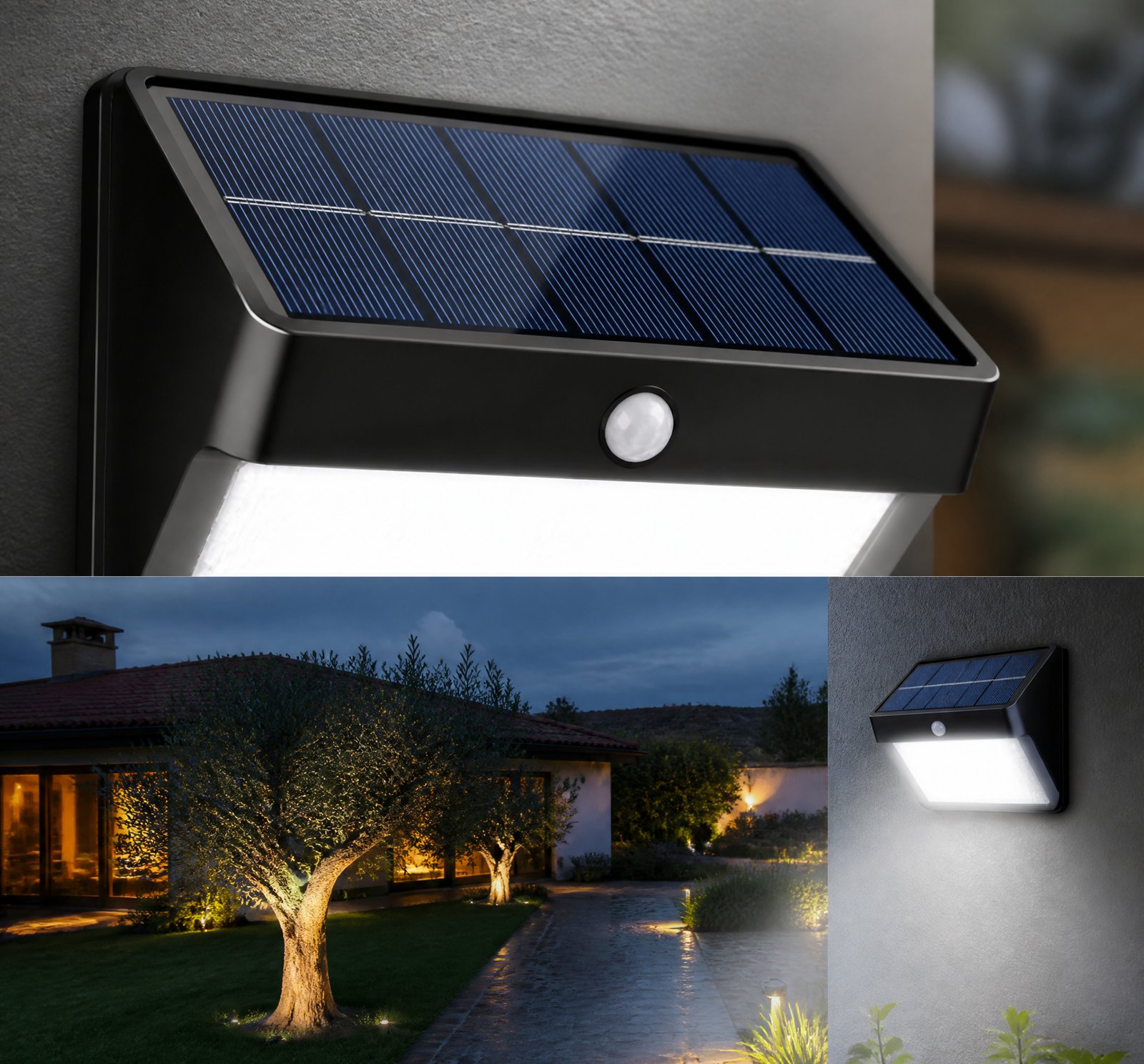
Quick answer: Producătorii de lămpi solare reduc costurile folosind panouri policristaline mai ieftine, dar cu eficiență mai scăzută și degradare mai rapidă [1][4]. Aceasta duce la iluminare slabă, durată de viață scurtă și performanță redusă în condiții meteo dificile [7]. Calitatea inferioară a celulelor și componentelor simplificate agravează problemele pe termen lung.
Lămpile solare sunt o soluție populară pentru iluminatul public și privat în România, dar nu toate sunt egale. În spatele unui preț atrăgător se ascund adesea compromisuri tehnologice care afectează durata de viață, eficiența și rezistența la condițiile extreme. Unul dintre cele mai frecvente compromisuri este alegerea panourilor solare policristaline pentru reducerea costurilor, chiar dacă acestea au o eficiență mai scăzută și o degradare mai rapidă în timp [1][4].
De ce producătorii aleg panouri policristaline?
Panourile solare policristaline sunt mai ieftine decât cele monocristaline, ceea ce le transformă într-o alegere atractivă pentru producătorii care doresc să reducă costurile de fabricație [1][4]. Cu toate acestea, eficiența lor este mai scăzută, în special în condiții de lumină redusă sau temperaturi ridicate, cum sunt întâlnite în România în toamnă și iarnă [4]. De asemenea, aceste panouri sunt mai predispuse la degradare pe termen lung, ceea ce înseamnă că producția de energie electrică scade mai repede în timp [1][4].
| Tip panou | Eficiență | Cost | Durată de viață | Degradare pe termen lung |
|---|---|---|---|---|
| Monocristalin | Ridicată | Mai scump | Mai lungă | Mai mică |
| Policristalin | Mai scăzută | Mai ieftin | Mai scurtă | Mai mare |
Impactul asupra performanței pe teren
Utilizarea unor panouri policristaline ieftine nu afectează doar eficiența, ci și întreaga performanță a lămpii solare în condiții reale. Lămpile cu astfel de panouri pot avea o iluminare slabă, mai ales în perioadele de iarnă sau după ploi intense, din cauza producției reduse de energie [7]. În plus, celulele de calitate inferioară suferă o degradare mai rapidă, ceea ce duce la o scădere treptată a eficienței luminii și la o durată de viață mai scurtă a sistemului [1][4].
Componentele sistemului de conducere: scurtături ascunse
Reducerea costurilor nu se limitează la panouri. Sistemul de conducere – care include controlerul de încărcare, bateria și sistemul de management al bateriei (BMS) – este deseori supus simplificării. Un controler de încărcare mai simplu poate duce la o gestionare ineficientă a energiei, accelerând degradarea bateriei [3]. În România, unde temperaturile variază între -10°C și +40°C, un BMS slab poate fi dezechilibrat, reducând semnificativ durata de viață a sistemului.
Etanșeitatea: un alt compromis cost
Integritatea etanșării este esențială pentru rezistența la umiditate și condiții meteorologice extreme. Producătorii pot opta pentru materiale sau tehnici de fabricare mai ieftine, ceea ce poate duce la infiltrări de apă și deteriorare a componentelor interne [7]. În zonele cu climă umedă sau frecvente ploi, cum sunt zonele de munte sau de litoral din România, aceste defecte pot apărea în doar 1–2 ani, compromițând întregul sistem.
Concluzii cheie
- Panourile policristaline sunt mai ieftine, dar au eficiență mai scăzută și degradare mai rapidă [1][4].
- Calitatea inferioară a celulelor și a componentelor duce la o durată de viață scurtă și la iluminare slabă [1][4][7].
- Etanșeitatea slabă poate duce la deteriorare prematură în condiții umede sau extreme [7].
- Investiția în panouri monocristaline și componente de calitate este justificată pe termen lung.
Întrebări frecvente
Panoul solare policristalin este mai ieftin, dar mai eficient decât cel monocristalin?
Nu. Panourile policristaline sunt mai ieftine, dar au o eficiență mai scăzută și o degradare mai rapidă pe termen lung [1][4].
Cum afectează reducerea costurilor durata de viață a lămpilor solare?
Reducerea costurilor prin materiale inferioare și componente simplificate duce la o durată de viață mai scurtă și la performanță redusă în condiții meteo dificile [7].
Ce rol are etanșeitatea în durata de viață a unei lămpi solare?
Etanșeitatea slabă poate duce la infiltrări de apă, deteriorare internă și degradare rapidă, mai ales în zonele umede ale României [7].
References
- [1] Photovoltaic-aways Solar module manufacturers share 7 insights on — magazine
source passage
SunPower hit the industry’s lowest solar panel degradation rate, according to a calculation method developed in partnership with the National Renewable Energy Laboratory (NREL). When this method was applied to eight years of energy performance data from 264 SunPower solar systems operating at various locations worldwide, it proved that SunPower panels degrade at a median rate of 0.2 percent per year. The company’s P-Series solar panels will soon to be manufactured in America. 6. Aesthetics Value is often in the eye of the beholder, and as residential solar adoption widens and as the new build market explodes in California, aesthetics of rooftop panels will matter more and more. This is why all of the top residential module manufacturers now have an all-black version of their flagship product, which are often priced a tad higher. Similarly, thin-film PV could be on the upswing in the U.S. residential solar sector. Swedish solar energy company Midsummer reports that it has received an order from Sunflare for equipment for the production of thin film solar cells worth over $7 million. Midsummer’s DUO system is one of the most widely distributed manufacturing tools for flexible CIGS solar cells in the world. Sunflare, with global headquarters in La Verne, Calif., is a provider of flexible mass-produced thin film solar products that are especially suitable for weak roofs and new roofs for private homes. “The demand for our products in the U.S. has exceeded our expectations and we
- [3] Photovoltaic Systems Design, Operation and Management — book
source passage
driven by solar PV module manufacturers consolidating margins and, in many cases, trying to return to positive margins after a period of manufacturing overcapacity and severe Trends in Photovoltaic Systems 23 competitive pressures in the industry. Locally, the cost of PV modules is influenced by taxation (import duties), performance of modules, market conditions etc. Variation among countries could be significant and this is shown in Figure 13. The prices of modules in Germany and Japan in comparison to China have always been higher. Furthermore, it is important to mention that within a country the prices of modules of different sizes will vary. Figure 13. Trend in solar PV module prices, by market [3]. This is because both manufacturing cost and margins can be better controlled for larger module sizes [3]. 16.1. Solar Light The solar light is a solar-powered light, which is composed of solar components [1-2], batteries, charge-discharge controller, lighting circuits and poles, etc. Light, electricity, machinery, control technologies etc. That the light is gathering in integral whole and often integrates with the surrounding scenic environment. As long as sunny is enough it can install in situ, the light is a green environmentally friendly product and free from the effects of power lines, without ditching and embedding, non-consumption of conventional energy, and attracted a wide spread attention and application [14, 17-20]. 16.2. Solar Car With the arrival of the 21st centur
- [4] Introduction to Photovoltaic Systems — book
source passage
cells are the most common. Technology is making your production more efficient. They have ever-increasing throughput and higher spectral sensitivity. Although silicon is one of the most common elements on the planet, supply disruptions have occurred. Past supply disruptions have spurred the industry to produce ever thinner solar cell wafers. However, thin wafers are crumbly. You need to handle them much more carefully during the manufacturing process. Solar cell manufacturers need to update equipment and practices as cells change shape, size and density. Thin-film modules are becoming more common. This is due in part to the lack of supply. Thin-film modules are cost-effective only when mass-produced. Thin-film modules are more applicable to large-scale PV systems because they have lower yields. At one time, people considered the thin film industry to be a major breakthrough technology. This is because of its low manufacturing costs. However, there are still a number of challenges to be overcome. These challenges include high lab failure rates, the certification process, and performance inconsistencies. Performance is especially an issue in high temperature regions. They also use toxic materials such as cadmium, which can result in negative environmental impacts for the community and harm installers. Only time will tell whether greater discretion in the choice and selection of materials with potentially serious consequences will result in major changes in future material choic
- [7] PV Connectors Energy — authority
source passage
of some metals to high humidity and other environmental stressors; – Supply-chain pressures that lead to cost-cuts in manufacturing, including materials substitution and reduction; – Prevalence of low-quality replacement connectors that are vulnerable to ingress of moisture /and particulates. A Four-Part Investigation Our research spans these topic areas: Onsite inspections include visual inspections for evidence of cross-mating, separation or loose connections, and signs of heat deformation; and thermal inspection via a handheld long-wave infrared camera. Onsite data collection will include connector type, manufacturer and serial number, if known, location of connector in the array, and site metadata, including module make and model, system age, climate zone, exposure to extreme weather, etc. This task will also include development of a master spreadsheet to ensure thorough and consistent data across multiple sites. Connectors removed from photovoltaic systems as a result of onsite inspections, commercially off-the-shelf connectors and connectors obtained via the project’s mail-in program, will be subjected to materials characterization and forensics analysis. The COTS connectors will represent a statistically significant number of each type, based on such data as market share, unit price, morphology and country of origin, and will provide important data on the variation in quality of connectors being sold in the US. Techno-economic analysis (TEA) data will be collected in p
SunPower hit the industry’s lowest solar panel degradation rate, according to a calculation method developed in partnership with the National Renewable Energy Laboratory (NREL). When this method was applied to eight years of energy performance data from 264 SunPower solar systems operating at various locations worldwide, it proved that SunPower panels degrade at a median rate of 0.2 percent per year. The company’s P-Series solar panels will soon to be manufactured in America. 6. Aesthetics Value is often in the eye of the beholder, and as residential solar adoption widens and as the new build market explodes in California, aesthetics of rooftop panels will matter more and more. This is why all of the top residential module manufacturers now have an all-black version of their flagship product, which are often priced a tad higher. Similarly, thin-film PV could be on the upswing in the U.S. residential solar sector. Swedish solar energy company Midsummer reports that it has received an order from Sunflare for equipment for the production of thin film solar cells worth over $7 million. Midsummer’s DUO system is one of the most widely distributed manufacturing tools for flexible CIGS solar cells in the world. Sunflare, with global headquarters in La Verne, Calif., is a provider of flexible mass-produced thin film solar products that are especially suitable for weak roofs and new roofs for private homes. “The demand for our products in the U.S. has exceeded our expectations and we
driven by solar PV module manufacturers consolidating margins and, in many cases, trying to return to positive margins after a period of manufacturing overcapacity and severe Trends in Photovoltaic Systems 23 competitive pressures in the industry. Locally, the cost of PV modules is influenced by taxation (import duties), performance of modules, market conditions etc. Variation among countries could be significant and this is shown in Figure 13. The prices of modules in Germany and Japan in comparison to China have always been higher. Furthermore, it is important to mention that within a country the prices of modules of different sizes will vary. Figure 13. Trend in solar PV module prices, by market [3]. This is because both manufacturing cost and margins can be better controlled for larger module sizes [3]. 16.1. Solar Light The solar light is a solar-powered light, which is composed of solar components [1-2], batteries, charge-discharge controller, lighting circuits and poles, etc. Light, electricity, machinery, control technologies etc. That the light is gathering in integral whole and often integrates with the surrounding scenic environment. As long as sunny is enough it can install in situ, the light is a green environmentally friendly product and free from the effects of power lines, without ditching and embedding, non-consumption of conventional energy, and attracted a wide spread attention and application [14, 17-20]. 16.2. Solar Car With the arrival of the 21st centur
cells are the most common. Technology is making your production more efficient. They have ever-increasing throughput and higher spectral sensitivity. Although silicon is one of the most common elements on the planet, supply disruptions have occurred. Past supply disruptions have spurred the industry to produce ever thinner solar cell wafers. However, thin wafers are crumbly. You need to handle them much more carefully during the manufacturing process. Solar cell manufacturers need to update equipment and practices as cells change shape, size and density. Thin-film modules are becoming more common. This is due in part to the lack of supply. Thin-film modules are cost-effective only when mass-produced. Thin-film modules are more applicable to large-scale PV systems because they have lower yields. At one time, people considered the thin film industry to be a major breakthrough technology. This is because of its low manufacturing costs. However, there are still a number of challenges to be overcome. These challenges include high lab failure rates, the certification process, and performance inconsistencies. Performance is especially an issue in high temperature regions. They also use toxic materials such as cadmium, which can result in negative environmental impacts for the community and harm installers. Only time will tell whether greater discretion in the choice and selection of materials with potentially serious consequences will result in major changes in future material choic
of some metals to high humidity and other environmental stressors; – Supply-chain pressures that lead to cost-cuts in manufacturing, including materials substitution and reduction; – Prevalence of low-quality replacement connectors that are vulnerable to ingress of moisture /and particulates. A Four-Part Investigation Our research spans these topic areas: Onsite inspections include visual inspections for evidence of cross-mating, separation or loose connections, and signs of heat deformation; and thermal inspection via a handheld long-wave infrared camera. Onsite data collection will include connector type, manufacturer and serial number, if known, location of connector in the array, and site metadata, including module make and model, system age, climate zone, exposure to extreme weather, etc. This task will also include development of a master spreadsheet to ensure thorough and consistent data across multiple sites. Connectors removed from photovoltaic systems as a result of onsite inspections, commercially off-the-shelf connectors and connectors obtained via the project’s mail-in program, will be subjected to materials characterization and forensics analysis. The COTS connectors will represent a statistically significant number of each type, based on such data as market share, unit price, morphology and country of origin, and will provide important data on the variation in quality of connectors being sold in the US. Techno-economic analysis (TEA) data will be collected in p