
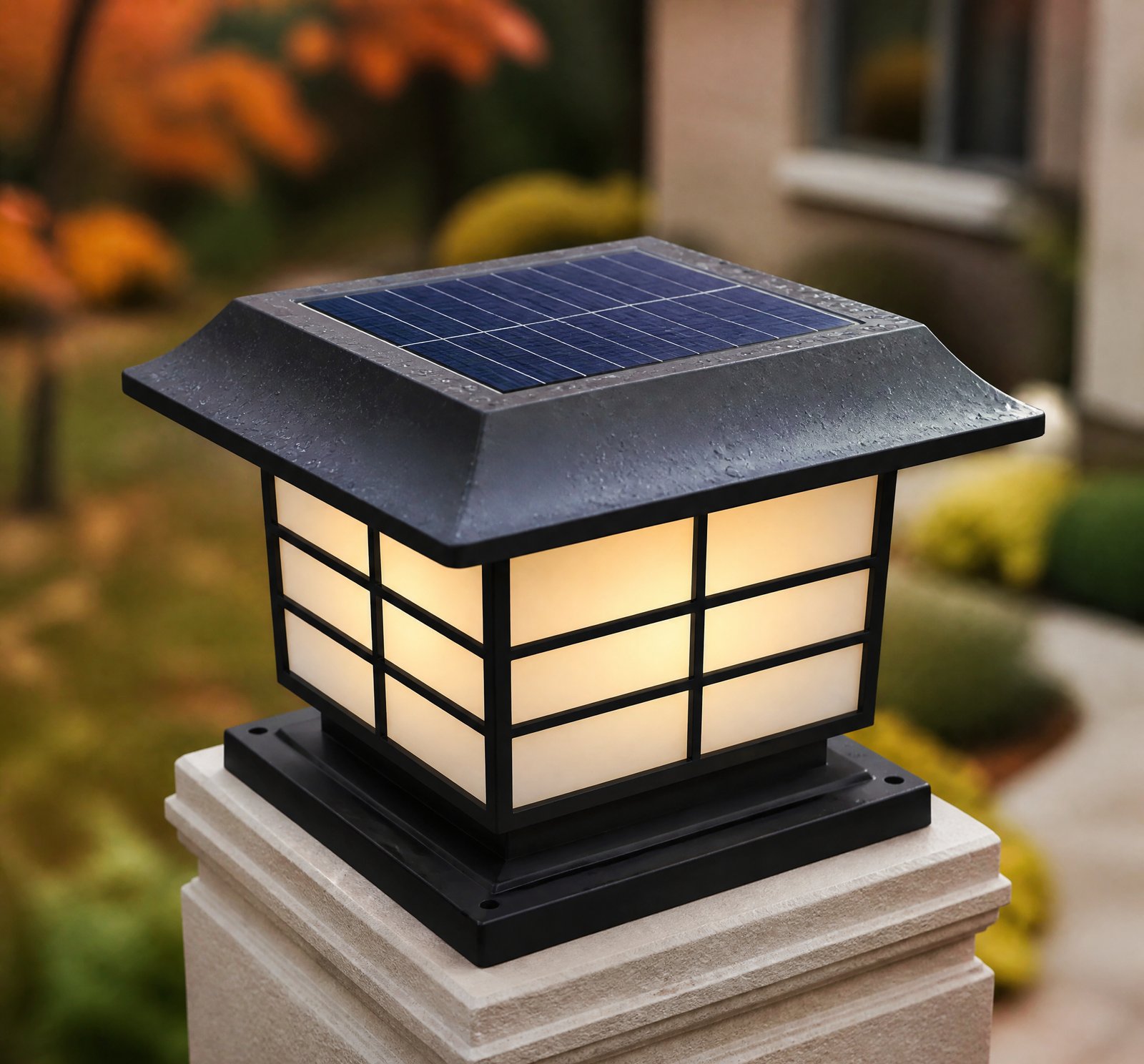
Quick answer: Un sistem de management al bateriei (BMS) este esențial pentru lămpile solare cu baterii LiFePO4, oferind protecție împotriva supraîncărcării și descărcării profunde. Aceste măsuri asigură siguranța, prelungesc durata de viață a bateriei și permit funcționarea optimă în diverse condiții climatice [3][8][14].
Pentru a asigura o durată de viață maximă și o funcționare sigură a lămpilor solare, protecția bateriilor LiFePO4 este fundamentală. Aceste baterii oferă stabilitate termică excelentă, ceea ce înseamnă o rezistență scăzută la supraîncălzire [3], dar necesită un sistem de management al bateriei (BMS) eficient pentru a preveni daunele cauzate de condiții extreme de funcționare. Fără un BMS adecvat, bateria poate fi supusă riscurilor majore, inclusiv supraîncărcare sau descărcare profundă, care reduc semnificativ performanța și durata de viață.
Protecția împotriva supraîncărcării
Supraîncărcarea este o problemă frecventă în sistemele solare, mai ales în condiții de lumină intensă sau timp de încărcare prelungit. Deși bateriile LiFePO4 sunt mai sigure decât cele NiCd sau NiMH [3][10][18], acestea rămân vulnerabile la daune dacă tensiunea sau curentul de încărcare depășesc limitele sigure. Un controler de încărcare este esențial pentru a regla curentul și a limita tensiunea la un nivel sigur [8]. În cazul în care curentul depășește valoarea maximă permisă, sistemul va interveni automat pentru a reduce fluxul de energie [8]. Un controler de încărcare cu modulație a lățimii impulsului (PWM) este recomandat, deoarece reglează eficient tensiunea finală de încărcare, menținând o stare de încărcare optimă și prevenind supraîncărcarea [14].
Protecția împotriva descărcării excesive
O altă sursă majoră de deteriorare a bateriei este descărcarea profundă, care poate afecta negativ durata de viață [14]. Pentru a preveni această situație, un BMS include un regulator „On-Off” care monitorizează nivelul de încărcare. În momentul în care tensiunea scade sub pragul sigur, circuitul se închide automat, oprirea descărcării și protejând bateria de deteriorare [14]. Această funcție este crucială în timpul noptii sau în perioadele cu iluminare solară redusă, când consumul poate depăși capacitățile bateriei.
Implementarea practică în lămpi solare
O instalare solară de calitate include mai multe componente pentru siguranță și eficiență. Comutatoarele de deconectare, plasate între panoul solar și sistemul de alimentare, permit oprirea completă în caz de urgență sau pentru întreținere [12]. Protecția împotriva supratensiunii asigură că bateria nu este expusă la tensiuni excesive [14], iar protecția împotriva curentului invers previne curgerea energiei de la baterie înapoi prin panou în timpul nopții [8]. Monitorizarea periodică a sistemului, inclusiv a bateriei și panourilor, este esențială pentru a detecta orice anomalie și a menține performanța optimă [12].
Comparare cu alte tipuri de baterii
Bateriile LiFePO4 sunt considerate mai sigure și mai ecologice decât cele NiCd sau NiMH, care conțin cadmiu — un metal greu toxic clasificat ca deșeu periculos [3][10][18]. În plus, LiFePO4 au o rată scăzută de descărcare automată, ceea ce înseamnă că pot sta încărcate timp îndelungat fără a pierde capacitatea, spre deosebire de NiCd sau NiMH, care necesită încărcare constantă [18]. Aceasta reduce costurile de întreținere și consumul energetic.
| Tip baterie | Toxicitate | Rata descărcare automată | Necesită încărcare constantă? |
|---|---|---|---|
| LiFePO4 | Scăzută [3] | Scăzută [18] | Nu [18] |
| NiCd | Ridicată [3] | Ridicată | Da |
| NiMH | Medie | Medie | Da |
Concluzii cheie
- Un BMS eficient este esențial pentru protejarea bateriilor LiFePO4 în lămpi solare.
- Protecția împotriva supraîncărcării și descărcării profunde prelungește durata de viață a bateriei [14].
- LiFePO4 sunt mai sigure și mai ecologice decât NiCd sau NiMH [3][18].
- Controlerele PWM și comutatoarele de siguranță sunt componente cheie ale unui sistem de înaltă calitate [8][12].
- Monitorizarea periodică asigură funcționarea optimă și detectarea precoce a problemelor [12].
References
- [3] Luxbox pledges to phase out cadmium – Lux Review — magazine
source passage
all types of lithium battery are safe for emergency lighting. LiFePO4 batteries use phosphate as the cathode material, alongside other added protection, avoiding the risk of combustion from such things as a short circuit or overcharging, that plagued earlier versions of lithium batteries. Even mechanical damage such as piercing the battery casing will not result in combustion or toxic chemical leakage.
- [8] Photovoltaic Science, Engineering and Applications — book
source passage
It prevents the battery from being discharged through the solar PV module at night hours. Battery protection: Provides protection against overvoltage, over-discharge, and overheating. Load Protection: Disconnects the load from the circuit in case of short-circuit at the load terminals. Additionally, when the load power exceeds its rated value, the charge controller automatically cuts off the output after a time delay. Protection Against Overcharging: If the charging current of the PV array exceeds the controller-rated current, it will limit the charging current at its rated current. ATTENTION: If the solar charger does not have the protection functions explained above, the system can be protected with the following protection devices. Protected Circuit Protection Device, Specification, & Descriptiona Array Output • Blocking diode for reverse charging protection (>6 A, >20 V). Alternatively, a normally closed relay (>5.56 A, 20 V) can be used for reverse charging protection • Fused disconnect switch for overcurrent and short-circuit protection (>5.56 A, >20 V) • Surge protector between array and charger (6 A, >20 V) Charger to Load • Fuse or fused switch for load protection (1.8 A, ≥15 V) Charger to Battery • Fuse or fused switch for battery protection (6 A, ≥15 V) a See Chapter 5 for details on sizing and selection of protection elements. 498 Photovoltaic Systems Engineering for Students and Professionals it is possible to find the desired system with quick market research. M
- [12] Off-Grid Solar A Bright Spot in the Global Energy Transition — book
source passage
no exception. Safety components include: Disconnect Switches: Positioned between the solar setup and the building’s main supply, these switches allow for a complete shutdown of the solar system. Surge Protectors: Solar setups, especially those on open grounds, can be vulnerable to lightning strikes. Surge protectors help in shielding the system from such high-voltage spikes. Grounding: Grounding all metallic parts of the solar system is crucial to prevent potential shocks or electrocution. It ensures that in the case of a fault, the stray electricity is directed safely into the earth. Maintenance and Monitoring Post-installation, regular checks and maintenance ensure optimal functioning: Monitoring Systems: Many modern solar setups come with monitoring systems, allowing homeowners to keep track of energy generation and consumption patterns. These systems can often detect if individual panels underperform, prompting timely maintenance. Regular Inspections: Schedule periodic inspections to check for any physical damages to the panels, wear and tear in wiring, or other issues. Components like inverters may also require firmware updates for optimal performance. Cleaning: Over time, panels can accumulate dust, pollen, or bird droppings. This can reduce their efficiency. Hence, periodic cleaning, using water and a soft brush, can help maintain their energy output. The act of integrating solar panels electrically is where the rubber meets the road. It's where the clean energy harves
- [14] Electrochemical Energy Storage for Renewable Sources and Grid Balancing — book
source passage
full cycles can be expected. Promising field experiences allow the hope to get at least 5 years and probably 10 years of usable life span from systems with these batteries, which are safe and environment friendly. 5.2.7.3. Treatment of the Battery How to treat the battery depends very much on the type of the used battery. Nickel–cadmium and nickel-metal hydride batteries need very little active maintenance. Overcharge protection is only needed for higher charging currents. In terms of discharging, it is important to prevent single cells from seeing a reverse voltage. LiFePO4 batteries need both overcharge and an overdischarge protection. To fulfill the function, a simple ‘On–Off’ regulator is needed. Lead-acid batteries also need charge control. For overcharging it would be good to have a pulse width modulation (PWM) charge controller with variable end-of-charge voltage. In terms of the deep discharge protection, a current-compensated deep discharge protection is suggested. For very small systems the cost of the charge controller could be the burden for using a lead-acid battery. 5.2.8. Market Overview of ‘Off-Grid’ Systems As already shown in Table 5.1, PV solar systems are the most universally used generators in the field of ‘off-grid’ renewable energy. The estimated numbers of systems (Table 5.2) are in the range of many millions. The total installed power is in the range of one GWp. TABLE 5.2 Market Overview of PV Off-Grid Systems Type of System Number of Units (Millions)
- [18] The Changing Landscape of Battery Technology – EdisonReport — magazine
source passage
# The Changing Landscape of Battery Technology Source: Blog/Web URL: https://edisonreport.com/2023/02/07/the-changing-landscape-of-battery-technology/ Author: Industry Announcement Date: 2023-02-07 Richard Raeburn, Emergency Specialist, at Tridonic, explores the reasons why the demand for Lithium Iron Phosphate battery technology is growing, as well as the future developments that will impact the emergency lighting industry. While Nickel Metal Hydride and Nickel Cadmium batteries are still incredibly popular in emergency lighting, there is a definite shift towards Lithium Iron Phosphate (LiFePO4) technology. When compared to the legacy technologies, this newer solution offers a number of benefits. Firstly, this newer technology does not contain Cadmium – a toxic heavy metal that is classified as hazardous waste. LiFePO4 contains no heavy metals so it doesn’t have the same toxicity, making it safer to handle and easier to deal with once it comes to the end of its life. With the fact that LiFePO4 batteries can be recycled to recover the materials used in their electrodes, wiring, and casings, they are considered to have the lowest impact on the environment. In addition, LiFePO4 batteries offer a lower self-discharge rate. This means they operate with periodic top-ups, rather than the constant charge that a nickel battery needs to be able to function. This reduces the power required for charging which lowers overall power consumption. LiFePO4 batteries are hardy and robust, maki
all types of lithium battery are safe for emergency lighting. LiFePO4 batteries use phosphate as the cathode material, alongside other added protection, avoiding the risk of combustion from such things as a short circuit or overcharging, that plagued earlier versions of lithium batteries. Even mechanical damage such as piercing the battery casing will not result in combustion or toxic chemical leakage.
It prevents the battery from being discharged through the solar PV module at night hours. Battery protection: Provides protection against overvoltage, over-discharge, and overheating. Load Protection: Disconnects the load from the circuit in case of short-circuit at the load terminals. Additionally, when the load power exceeds its rated value, the charge controller automatically cuts off the output after a time delay. Protection Against Overcharging: If the charging current of the PV array exceeds the controller-rated current, it will limit the charging current at its rated current. ATTENTION: If the solar charger does not have the protection functions explained above, the system can be protected with the following protection devices. Protected Circuit Protection Device, Specification, & Descriptiona Array Output • Blocking diode for reverse charging protection (>6 A, >20 V). Alternatively, a normally closed relay (>5.56 A, 20 V) can be used for reverse charging protection • Fused disconnect switch for overcurrent and short-circuit protection (>5.56 A, >20 V) • Surge protector between array and charger (6 A, >20 V) Charger to Load • Fuse or fused switch for load protection (1.8 A, ≥15 V) Charger to Battery • Fuse or fused switch for battery protection (6 A, ≥15 V) a See Chapter 5 for details on sizing and selection of protection elements. 498 Photovoltaic Systems Engineering for Students and Professionals it is possible to find the desired system with quick market research. M
no exception. Safety components include: Disconnect Switches: Positioned between the solar setup and the building’s main supply, these switches allow for a complete shutdown of the solar system. Surge Protectors: Solar setups, especially those on open grounds, can be vulnerable to lightning strikes. Surge protectors help in shielding the system from such high-voltage spikes. Grounding: Grounding all metallic parts of the solar system is crucial to prevent potential shocks or electrocution. It ensures that in the case of a fault, the stray electricity is directed safely into the earth. Maintenance and Monitoring Post-installation, regular checks and maintenance ensure optimal functioning: Monitoring Systems: Many modern solar setups come with monitoring systems, allowing homeowners to keep track of energy generation and consumption patterns. These systems can often detect if individual panels underperform, prompting timely maintenance. Regular Inspections: Schedule periodic inspections to check for any physical damages to the panels, wear and tear in wiring, or other issues. Components like inverters may also require firmware updates for optimal performance. Cleaning: Over time, panels can accumulate dust, pollen, or bird droppings. This can reduce their efficiency. Hence, periodic cleaning, using water and a soft brush, can help maintain their energy output. The act of integrating solar panels electrically is where the rubber meets the road. It's where the clean energy harves
full cycles can be expected. Promising field experiences allow the hope to get at least 5 years and probably 10 years of usable life span from systems with these batteries, which are safe and environment friendly. 5.2.7.3. Treatment of the Battery How to treat the battery depends very much on the type of the used battery. Nickel–cadmium and nickel-metal hydride batteries need very little active maintenance. Overcharge protection is only needed for higher charging currents. In terms of discharging, it is important to prevent single cells from seeing a reverse voltage. LiFePO4 batteries need both overcharge and an overdischarge protection. To fulfill the function, a simple ‘On–Off’ regulator is needed. Lead-acid batteries also need charge control. For overcharging it would be good to have a pulse width modulation (PWM) charge controller with variable end-of-charge voltage. In terms of the deep discharge protection, a current-compensated deep discharge protection is suggested. For very small systems the cost of the charge controller could be the burden for using a lead-acid battery. 5.2.8. Market Overview of ‘Off-Grid’ Systems As already shown in Table 5.1, PV solar systems are the most universally used generators in the field of ‘off-grid’ renewable energy. The estimated numbers of systems (Table 5.2) are in the range of many millions. The total installed power is in the range of one GWp. TABLE 5.2 Market Overview of PV Off-Grid Systems Type of System Number of Units (Millions)
# The Changing Landscape of Battery Technology Source: Blog/Web URL: https://edisonreport.com/2023/02/07/the-changing-landscape-of-battery-technology/ Author: Industry Announcement Date: 2023-02-07 Richard Raeburn, Emergency Specialist, at Tridonic, explores the reasons why the demand for Lithium Iron Phosphate battery technology is growing, as well as the future developments that will impact the emergency lighting industry. While Nickel Metal Hydride and Nickel Cadmium batteries are still incredibly popular in emergency lighting, there is a definite shift towards Lithium Iron Phosphate (LiFePO4) technology. When compared to the legacy technologies, this newer solution offers a number of benefits. Firstly, this newer technology does not contain Cadmium – a toxic heavy metal that is classified as hazardous waste. LiFePO4 contains no heavy metals so it doesn’t have the same toxicity, making it safer to handle and easier to deal with once it comes to the end of its life. With the fact that LiFePO4 batteries can be recycled to recover the materials used in their electrodes, wiring, and casings, they are considered to have the lowest impact on the environment. In addition, LiFePO4 batteries offer a lower self-discharge rate. This means they operate with periodic top-ups, rather than the constant charge that a nickel battery needs to be able to function. This reduces the power required for charging which lowers overall power consumption. LiFePO4 batteries are hardy and robust, maki