
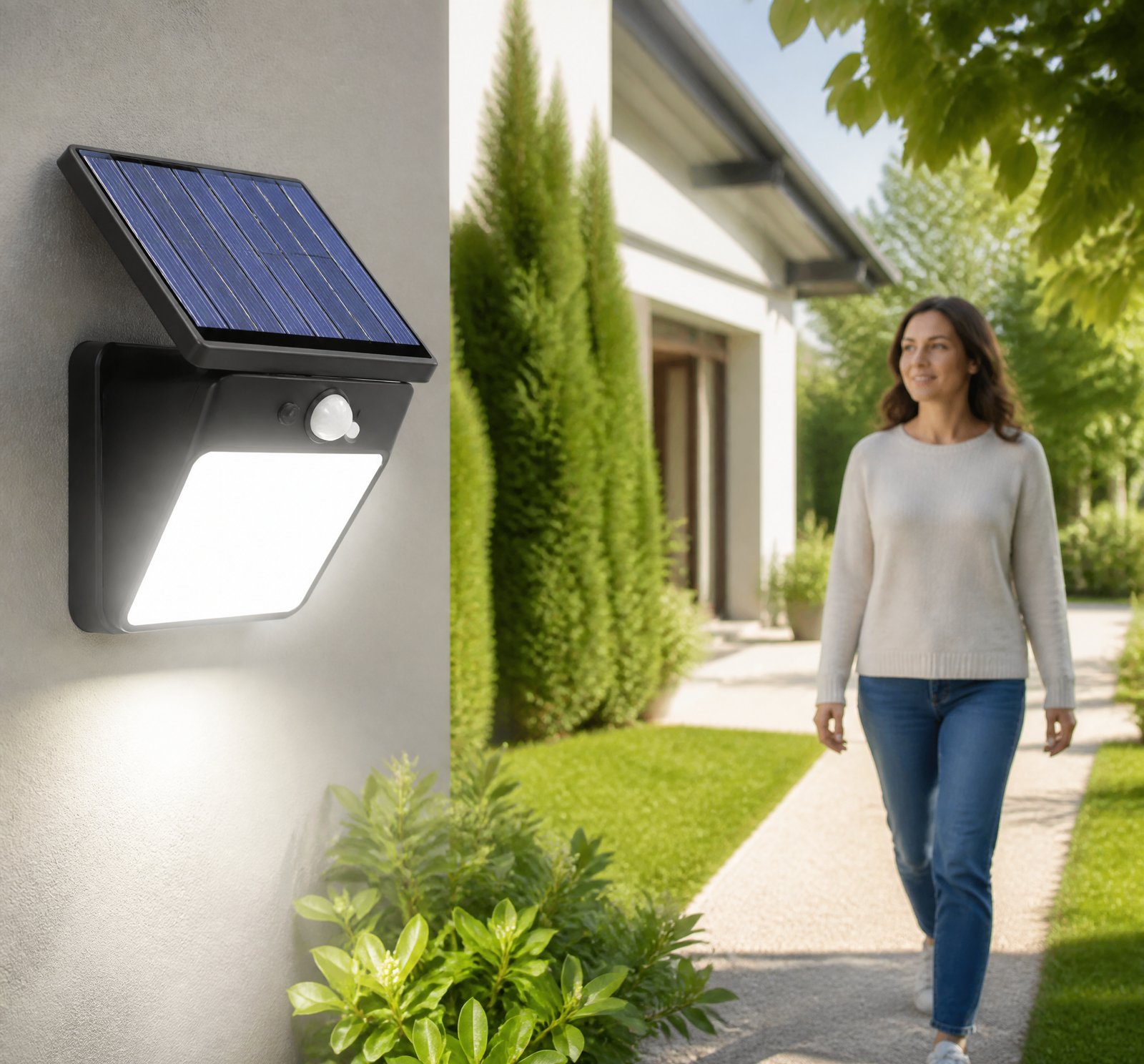
Quick answer: În condiții de lumină difuză din iarna română, un controller MPPT poate recupera până la 90-95% din energia solară disponibilă, în timp ce un controller PWM recuperează doar 70-75%. MPPT este mai eficient în condiții de iluminare redusă și variații de temperatură, creșterea eficienței fiind de 15–20% în iarnă față de PWM [3][6][9][19][25].
În România, unde iarna aduce zile înnorate, cer înnorat și lumină difuză, eficiența sistemelor solare pentru grădină devine decisivă. Între cele două metode principale de control al încărcării — PWM (Pulse Width Modulation) și MPPT (Maximum Power Point Tracking) — diferența este semnificativă. În condiții de lumină slabă, MPPT este mult mai eficient, extrăgând până la 20-30% mai multă energie decât PWM [3][6][9][19][25]. Această diferență este mai pronunțată în iarna română, unde lumina solară este redusă și variabilă.
MPPT: Tehnologia de vârf pentru eficiență maximă
MPPT este o tehnologie avansată care urmărește continuu punctul de putere maximă al panoului solar, ajustând tensiunea și curentul pentru a extrage cel mai mare randament, chiar și atunci când lumina este slabă [3][6][9][19][25]. În condiții de lumină difuză, cum sunt zilele înnorate din România, MPPT poate funcționa eficient chiar și la tensiuni mici, ajungând până la 5V în cazul panourilor parțial umbrite [4][5]. Aceasta înseamnă că poate exploata energie care ar fi fost pierdută de un controller PWM, care poate „dăsa” prea devreme în condiții de lumină redusă [4][5].
PWM: Soluție simplă, eficiență mai mică
PWM este o metodă mai simplă și mai ieftină, recomandată în zone cu soare constant și temperaturi ridicate, unde diferența de eficiență dintre PWM și MPPT este minimă [14][15]. Totuși, în condiții de lumină difuză sau temperaturi scăzute — precum în iarna română — PWM nu poate optimiza eficient ieșirea energiei, ceea ce reduce autonomia sistemului [3][6][9][19][25].
Compararea eficienței: PWM vs MPPT în condiții de iarnă
| Caracteristică | PWM | MPPT |
|---|---|---|
| Eficiență în lumină difuză | 70-75% [3][6][9][19][25] | 90-95% [3][6][9][19][25] |
| Performanță în iarnă | Redusă, mai puțină energie recuperată | Semnificativ mai bună, creșterea eficienței cu 15–20% [3][6][9][19][25] |
| Cost | Mai scăzut | Mai ridicat |
| Funcționare în condiții de umbrire | Limitat | Eficient, chiar la tensiuni mici [4][5] |
| Utilizare în România (iarnă) | Recomandat doar pentru sisteme mici și ieftine | Recomandat pentru autonomie maximă [14][15] |
Concluzii cheie
- MPPT este mult mai eficient decât PWM în condiții de lumină difuză, recuperând până la 95% din energia solară disponibilă [3][6][9][19][25].
- În iarna română, MPPT poate crește eficiența sistemului cu 15–20% față de PWM [3][6][9][19][25].
- PWM este o soluție mai ieftină, dar nu este recomandat pentru zone cu iluminare redusă sau temperaturi scăzute [14][15].
- MPPT poate funcționa eficient chiar și atunci când o parte din panou este umbrită, ajungând până la 5V [4][5].
- În România, unde iarna aduce frecvent cer înnorat, MPPT este esențial pentru o autonomie adecvată în lămpile solare pentru grădină.
Întrebări frecvente
De ce MPPT este mai eficient în iarna română?
În condiții de lumină difuză și temperaturi scăzute, MPPT urmărește continuu punctul de putere maximă, recuperând până la 95% din energia solară disponibilă, în timp ce PWM recuperează doar 70-75% [3][6][9][19][25].
Este MPPT prezent în toate lămpile solare pentru grădină?
Nu, MPPT este mai frecvent în sisteme avansate sau de înaltă performanță, nu în toate produsele comerciale pentru consumatori [22][23].
Poate un controller PWM să funcționeze în iarna română?
Da, dar eficiența este redusă. PWM poate „dăsa” prea devreme în condiții de lumină slabă, ceea ce reduce autonomia [4][5].
References
- [3] 2000W APSW X Series 24VDC 230V Sinewave Inverter Charger — authority
source passage
solves this problem by continuously tracking the maximum power point of the solar panel and adjusting the voltage and current accordingly. The advantage of using an MPPT Solar Charge Controller over a more traditional PWM (Pulse Width Modulation) controller is that MPPT controllers can convert excess voltage into amperage, allowing your solar power system to make use of a higher percentage of the power produced by the solar panels. This can result in a 15-20% increase in efficiency in winter and a 10-15% increase in efficiency in summer. Moreover, the MPPT controllers can handle higher voltage input from solar panels, which can be beneficial for systems with long cable runs where voltage drop can be an issue. They can also accommodate for larger systems and different types of batteries, making them more flexible for various solar power system configurations. A sine wave inverter is a device that converts DC power (like the power stored in a battery) into AC power (like the power used in your home). There are two types of inverters that are commonly used: pure sine wave inverters and modified sine wave inverters. Here's how they compare: 1. Pure Sine Wave Inverters Pure sine wave inverters generate an output that is identical to the smooth, sinusoidal wave of AC grid power. This is the type of electricity you'd typically receive from an electrical outlet in a home or business. Advantages: – Better compatibility with all kinds of devices, appliances, and technologies. – More ef
- [4] Battery University BU-413 Charging with Solar Turbine — authority
source passage
if a shadow falls on the panel. Other systems drop off too early and do not fully utilize low light conditions. A common MPPT method is perturb and observe (P&O). The circuit increases the voltage by a small amount and measures power. If the power increases by the equal amount, further voltage increases are applied until the optimal setting is reached. P&O achieves good efficiency but it can be sluggish and result in oscillations. Another method is incremental conductance that computes the maximum power point by comparing current and voltage deltas. This requires more computation but has an improved tracking ability over P&O. Current sweep is a method that observes the current and voltage characteristics of the PV array to calculate the maximum power point. Solar panels are normally connected in series, each providing about 20V on a sunny day. The controller reads the overall string voltage but if one panel gets shaded, the MPPT loses effectiveness. Advanced systems process each panel or group of panes individually. This allows voltage tracking of shaded panels down to 5V. The negative is higher system costs. You may ask, “Why can I not simply plug a 12V solar panel directly into my laptop or mobile phone?” This should work in principle but is not recommended. The charge controller transforms the incoming DC voltage from the solar panel or wind turbine to the correct voltage range. In bright sunlight, the voltage of a 12V solar panel can go up to 40V, and this could damage yo
- [5] Battery University BU-413 Charging with Solar Turbine — authority
source passage
if a shadow falls on the panel. Other systems drop off too early and do not fully utilize low light conditions. A common MPPT method is perturb and observe (P&O). The circuit increases the voltage by a small amount and measures power. If the power increases by the equal amount, further voltage increases are applied until the optimal setting is reached. P&O achieves good efficiency but it can be sluggish and result in oscillations. Another method is incremental conductance that computes the maximum power point by comparing current and voltage deltas. This requires more computation but has an improved tracking ability over P&O. Current sweep is a method that observes the current and voltage characteristics of the PV array to calculate the maximum power point. Solar panels are normally connected in series, each providing about 20V on a sunny day. The controller reads the overall string voltage but if one panel gets shaded, the MPPT loses effectiveness. Advanced systems process each panel or group of panes individually. This allows voltage tracking of shaded panels down to 5V. The negative is higher system costs. You may ask, “Why can I not simply plug a 12V solar panel directly into my laptop or mobile phone?” This should work in principle but is not recommended. The charge controller transforms the incoming DC voltage from the solar panel or wind turbine to the correct voltage range. In bright sunlight, the voltage of a 12V solar panel can go up to 40V, and this could damage yo
- [6] 3200W 48VDC 220230240V Solar Sinewave InverterCharger MPPT — authority
source passage
to the battery. The primary function of an MPPT Solar Charge Controller is to ensure that your solar power system is operating at its maximum efficiency. Solar panels can produce varying amounts of power depending on the intensity of sunlight, the angle of the sun, the temperature, and other factors. The power produced by a solar panel at any given moment might not be the ideal or maximum power that the panel is capable of producing. An MPPT controller solves this problem by continuously tracking the maximum power point of the solar panel and adjusting the voltage and current accordingly. The advantage of using an MPPT Solar Charge Controller over a more traditional PWM (Pulse Width Modulation) controller is that MPPT controllers can convert excess voltage into amperage, allowing your solar power system to make use of a higher percentage of the power produced by the solar panels. This can result in a 15-20% increase in efficiency in winter and a 10-15% increase in efficiency in summer. Moreover, the MPPT controllers can handle higher voltage input from solar panels, which can be beneficial for systems with long cable runs where voltage drop can be an issue. They can also accommodate for larger systems and different types of batteries, making them more flexible for various solar power system configurations. A sine wave inverter is a device that converts DC power (like the power stored in a battery) into AC power (like the power used in your home). There are two types of invert
- [9] Tripp Lite series 5500W 48VDC 230V Sine Wave Solar Inverter — authority
source passage
An MPPT (Maximum Power Point Tracking) Solar Charge Controller is a device that regulates the voltage and current coming from the solar panels going to the battery. The primary function of an MPPT Solar Charge Controller is to ensure that your solar power system is operating at its maximum efficiency. Solar panels can produce varying amounts of power depending on the intensity of sunlight, the angle of the sun, the temperature, and other factors. The power produced by a solar panel at any given moment might not be the ideal or maximum power that the panel is capable of producing. An MPPT controller solves this problem by continuously tracking the maximum power point of the solar panel and adjusting the voltage and current accordingly. The advantage of using an MPPT Solar Charge Controller over a more traditional PWM (Pulse Width Modulation) controller is that MPPT controllers can convert excess voltage into amperage, allowing your solar power system to make use of a higher percentage of the power produced by the solar panels. This can result in a 15-20% increase in efficiency in winter and a 10-15% increase in efficiency in summer. Moreover, the MPPT controllers can handle higher voltage input from solar panels, which can be beneficial for systems with long cable runs where voltage drop can be an issue. They can also accommodate for larger systems and different types of batteries, making them more flexible for various solar power system configurations. A sine wave inverter is
- [14] How to select a solar charge controller for your PV system — magazine
source passage
PWM or MPPT really depends on one’s application and location. If there is not a long wire run and nominal voltage solar modules are being used, a PWM controller often is the best choice. The same is true in locations that may also have a lot of constant, dependable sunshine — in deserts or the tropics. In these locations, PWM controllers are the right tool for the job since some wasted solar electricity isn’t critical. Any advantage in using an MPPT controller may be minimal since the array voltage is lower in warm conditions. Another consideration is the size of the system. PWM controllers are often used in smaller, cost-sensitive systems where the added cost with MPPT is not worth it. In places with variable sunshine, fluctuating temperatures and shading, in northern or southern latitudes with snowfall in winter, MPPT is by far more desirable since it can maximize output under challenging conditions. It all gets down to the right tool for the job. Things to look for in a charge controller It’s important to choose the right charge controller in terms of size and features. For remote systems, reliability and performance are very important considerations. Lower cost solar controllers are often not going to be the most reliable and may not meet vital charging requirements. Poor performance or reliability can end up costing many times over the cost of the solar controller in terms of replacement of the battery bank, site visits and loss of operating time. Solar charge controller
- [15] How to select a solar charge controller for your PV system — authority
source passage
PWM or MPPT really depends on one’s application and location. If there is not a long wire run and nominal voltage solar modules are being used, a PWM controller often is the best choice. The same is true in locations that may also have a lot of constant, dependable sunshine — in deserts or the tropics. In these locations, PWM controllers are the right tool for the job since some wasted solar electricity isn’t critical. Any advantage in using an MPPT controller may be minimal since the array voltage is lower in warm conditions. Another consideration is the size of the system. PWM controllers are often used in smaller, cost-sensitive systems where the added cost with MPPT is not worth it. In places with variable sunshine, fluctuating temperatures and shading, in northern or southern latitudes with snowfall in winter, MPPT is by far more desirable since it can maximize output under challenging conditions. It all gets down to the right tool for the job. Things to look for in a charge controller It’s important to choose the right charge controller in terms of size and features. For remote systems, reliability and performance are very important considerations. Lower cost solar controllers are often not going to be the most reliable and may not meet vital charging requirements. Poor performance or reliability can end up costing many times over the cost of the solar controller in terms of replacement of the battery bank, site visits and loss of operating time. Solar charge controller
- [19] 3000W APSW X Series 24VDC 230V Solar InverterCharger Eaton — authority
source passage
panels can produce varying amounts of power depending on the intensity of sunlight, the angle of the sun, the temperature, and other factors. The power produced by a solar panel at any given moment might not be the ideal or maximum power that the panel is capable of producing. An MPPT controller solves this problem by continuously tracking the maximum power point of the solar panel and adjusting the voltage and current accordingly. The advantage of using an MPPT Solar Charge Controller over a more traditional PWM (Pulse Width Modulation) controller is that MPPT controllers can convert excess voltage into amperage, allowing your solar power system to make use of a higher percentage of the power produced by the solar panels. This can result in a 15-20% increase in efficiency in winter and a 10-15% increase in efficiency in summer. Moreover, the MPPT controllers can handle higher voltage input from solar panels, which can be beneficial for systems with long cable runs where voltage drop can be an issue. They can also accommodate for larger systems and different types of batteries, making them more flexible for various solar power system configurations. A sine wave inverter is a device that converts DC power (like the power stored in a battery) into AC power (like the power used in your home). There are two types of inverters that are commonly used: pure sine wave inverters and modified sine wave inverters. Here's how they compare: 1. Pure Sine Wave Inverters Pure sine wave inver
- [22] PV-driven lighting solution for rural areas pv magazine International — magazine
source passage
# PV-driven lighting solution for rural areas – pv magazine Global Source: Blog/Web URL: https://www.pv-magazine.com/2024/10/15/pv-driven-lighting-solution-for-rural-areas/ Author: Lior Kahana Date: 2024-10-15 Scientists from Cameroon have designed a novel solar-powered lighting system for rural areas. The proposed system is based on the commercially available solar energy harvesting integrated circuit (IC) solution AEM10941 developed by Belgium-based E-peas. The AEM10941 system is an integrated energy management circuit that extracts DC power from up to 7-cell solar panels to simultaneously store energy in a battery and supply the system with two independent regulated voltages. The academics added the ATMEGA328PU microcontroller, which allows the lighting system to switch between indoor and outdoor lighting moods, as well as a passive infrared (PIR) sensor, a potentiometer, and a LED lighting module. The solar panel powering each system has a capacity of 2 W and charges a 3.7 V Li-ion battery during the day, while the mini board was configured with a maximum power point tracking (MPPT) ratio of 85%. Twenty pieces of LED were also installed, each with a capacity of 0.2 W, for a total of 4 W. The system measures 28 cm x 6 cm x 16 cm and weighs 100 g. The solar panel is installed with a tilt angle of 10 degrees, and the PIR sensor is installed at 36 degrees. The group conducted a series of measurements to measure both the charging and discharging rates and illuminance levels. “
- [23] PV-driven lighting solution for rural areas pv magazine International — authority
source passage
# PV-driven lighting solution for rural areas – pv magazine Global Source: Blog/Web URL: https://www.pv-magazine.com/2024/10/15/pv-driven-lighting-solution-for-rural-areas/ Author: Lior Kahana Date: 2024-10-15 Scientists from Cameroon have designed a novel solar-powered lighting system for rural areas. The proposed system is based on the commercially available solar energy harvesting integrated circuit (IC) solution AEM10941 developed by Belgium-based E-peas. The AEM10941 system is an integrated energy management circuit that extracts DC power from up to 7-cell solar panels to simultaneously store energy in a battery and supply the system with two independent regulated voltages. The academics added the ATMEGA328PU microcontroller, which allows the lighting system to switch between indoor and outdoor lighting moods, as well as a passive infrared (PIR) sensor, a potentiometer, and a LED lighting module. The solar panel powering each system has a capacity of 2 W and charges a 3.7 V Li-ion battery during the day, while the mini board was configured with a maximum power point tracking (MPPT) ratio of 85%. Twenty pieces of LED were also installed, each with a capacity of 0.2 W, for a total of 4 W. The system measures 28 cm x 6 cm x 16 cm and weighs 100 g. The solar panel is installed with a tilt angle of 10 degrees, and the PIR sensor is installed at 36 degrees. The group conducted a series of measurements to measure both the charging and discharging rates and illuminance levels. “
- [25] How to select a solar charge controller for your PV system — magazine
source passage
thus being able to pulse or “throttle back” the electricity coming from a solar panel in order to taper off the charge current as the batteries become full. Since PWM controllers operate with a switch only, the array voltage during operation is equal to the battery voltage. This means that you need to use nominal voltage solar panels with a PWM controller (36-cell panels for 12 V nominal and 72-cell panels for 24 V nominal). Even with a nominal voltage array, a PWM controller will operate below the maximum power voltage (Vmp). When it’s cold outside or when the battery voltage gets low, a PWM controller will operate well below Vmp and the max power (Pmp) rating of the solar array. To take full advantage of a PV array’s maximum power output, you need an MPPT controller. MPPT controllers are comparatively more sophisticated. They can adjust (or track) the input voltage and current of the PV array to find the optimum operating voltage that will generate the most power at a given moment. Below are graphs of the current vs. voltage (IV) and current vs. power (IP) for a nominal voltage PV array. By continuously tracking and operating at Vmp, an MPPT controller will be able to generate more power than a PWM controller during bulk charging. MPPT controllers can also be used with higher voltage PV arrays above nominal voltage. This makes it possible to use different solar PV panels which may cost less or be more optimal in size. For example, 60-cell cost less than 36-cell modules and
solves this problem by continuously tracking the maximum power point of the solar panel and adjusting the voltage and current accordingly. The advantage of using an MPPT Solar Charge Controller over a more traditional PWM (Pulse Width Modulation) controller is that MPPT controllers can convert excess voltage into amperage, allowing your solar power system to make use of a higher percentage of the power produced by the solar panels. This can result in a 15-20% increase in efficiency in winter and a 10-15% increase in efficiency in summer. Moreover, the MPPT controllers can handle higher voltage input from solar panels, which can be beneficial for systems with long cable runs where voltage drop can be an issue. They can also accommodate for larger systems and different types of batteries, making them more flexible for various solar power system configurations. A sine wave inverter is a device that converts DC power (like the power stored in a battery) into AC power (like the power used in your home). There are two types of inverters that are commonly used: pure sine wave inverters and modified sine wave inverters. Here's how they compare: 1. Pure Sine Wave Inverters Pure sine wave inverters generate an output that is identical to the smooth, sinusoidal wave of AC grid power. This is the type of electricity you'd typically receive from an electrical outlet in a home or business. Advantages: – Better compatibility with all kinds of devices, appliances, and technologies. – More ef
if a shadow falls on the panel. Other systems drop off too early and do not fully utilize low light conditions. A common MPPT method is perturb and observe (P&O). The circuit increases the voltage by a small amount and measures power. If the power increases by the equal amount, further voltage increases are applied until the optimal setting is reached. P&O achieves good efficiency but it can be sluggish and result in oscillations. Another method is incremental conductance that computes the maximum power point by comparing current and voltage deltas. This requires more computation but has an improved tracking ability over P&O. Current sweep is a method that observes the current and voltage characteristics of the PV array to calculate the maximum power point. Solar panels are normally connected in series, each providing about 20V on a sunny day. The controller reads the overall string voltage but if one panel gets shaded, the MPPT loses effectiveness. Advanced systems process each panel or group of panes individually. This allows voltage tracking of shaded panels down to 5V. The negative is higher system costs. You may ask, “Why can I not simply plug a 12V solar panel directly into my laptop or mobile phone?” This should work in principle but is not recommended. The charge controller transforms the incoming DC voltage from the solar panel or wind turbine to the correct voltage range. In bright sunlight, the voltage of a 12V solar panel can go up to 40V, and this could damage yo
if a shadow falls on the panel. Other systems drop off too early and do not fully utilize low light conditions. A common MPPT method is perturb and observe (P&O). The circuit increases the voltage by a small amount and measures power. If the power increases by the equal amount, further voltage increases are applied until the optimal setting is reached. P&O achieves good efficiency but it can be sluggish and result in oscillations. Another method is incremental conductance that computes the maximum power point by comparing current and voltage deltas. This requires more computation but has an improved tracking ability over P&O. Current sweep is a method that observes the current and voltage characteristics of the PV array to calculate the maximum power point. Solar panels are normally connected in series, each providing about 20V on a sunny day. The controller reads the overall string voltage but if one panel gets shaded, the MPPT loses effectiveness. Advanced systems process each panel or group of panes individually. This allows voltage tracking of shaded panels down to 5V. The negative is higher system costs. You may ask, “Why can I not simply plug a 12V solar panel directly into my laptop or mobile phone?” This should work in principle but is not recommended. The charge controller transforms the incoming DC voltage from the solar panel or wind turbine to the correct voltage range. In bright sunlight, the voltage of a 12V solar panel can go up to 40V, and this could damage yo
to the battery. The primary function of an MPPT Solar Charge Controller is to ensure that your solar power system is operating at its maximum efficiency. Solar panels can produce varying amounts of power depending on the intensity of sunlight, the angle of the sun, the temperature, and other factors. The power produced by a solar panel at any given moment might not be the ideal or maximum power that the panel is capable of producing. An MPPT controller solves this problem by continuously tracking the maximum power point of the solar panel and adjusting the voltage and current accordingly. The advantage of using an MPPT Solar Charge Controller over a more traditional PWM (Pulse Width Modulation) controller is that MPPT controllers can convert excess voltage into amperage, allowing your solar power system to make use of a higher percentage of the power produced by the solar panels. This can result in a 15-20% increase in efficiency in winter and a 10-15% increase in efficiency in summer. Moreover, the MPPT controllers can handle higher voltage input from solar panels, which can be beneficial for systems with long cable runs where voltage drop can be an issue. They can also accommodate for larger systems and different types of batteries, making them more flexible for various solar power system configurations. A sine wave inverter is a device that converts DC power (like the power stored in a battery) into AC power (like the power used in your home). There are two types of invert
An MPPT (Maximum Power Point Tracking) Solar Charge Controller is a device that regulates the voltage and current coming from the solar panels going to the battery. The primary function of an MPPT Solar Charge Controller is to ensure that your solar power system is operating at its maximum efficiency. Solar panels can produce varying amounts of power depending on the intensity of sunlight, the angle of the sun, the temperature, and other factors. The power produced by a solar panel at any given moment might not be the ideal or maximum power that the panel is capable of producing. An MPPT controller solves this problem by continuously tracking the maximum power point of the solar panel and adjusting the voltage and current accordingly. The advantage of using an MPPT Solar Charge Controller over a more traditional PWM (Pulse Width Modulation) controller is that MPPT controllers can convert excess voltage into amperage, allowing your solar power system to make use of a higher percentage of the power produced by the solar panels. This can result in a 15-20% increase in efficiency in winter and a 10-15% increase in efficiency in summer. Moreover, the MPPT controllers can handle higher voltage input from solar panels, which can be beneficial for systems with long cable runs where voltage drop can be an issue. They can also accommodate for larger systems and different types of batteries, making them more flexible for various solar power system configurations. A sine wave inverter is
PWM or MPPT really depends on one’s application and location. If there is not a long wire run and nominal voltage solar modules are being used, a PWM controller often is the best choice. The same is true in locations that may also have a lot of constant, dependable sunshine — in deserts or the tropics. In these locations, PWM controllers are the right tool for the job since some wasted solar electricity isn’t critical. Any advantage in using an MPPT controller may be minimal since the array voltage is lower in warm conditions. Another consideration is the size of the system. PWM controllers are often used in smaller, cost-sensitive systems where the added cost with MPPT is not worth it. In places with variable sunshine, fluctuating temperatures and shading, in northern or southern latitudes with snowfall in winter, MPPT is by far more desirable since it can maximize output under challenging conditions. It all gets down to the right tool for the job. Things to look for in a charge controller It’s important to choose the right charge controller in terms of size and features. For remote systems, reliability and performance are very important considerations. Lower cost solar controllers are often not going to be the most reliable and may not meet vital charging requirements. Poor performance or reliability can end up costing many times over the cost of the solar controller in terms of replacement of the battery bank, site visits and loss of operating time. Solar charge controller
PWM or MPPT really depends on one’s application and location. If there is not a long wire run and nominal voltage solar modules are being used, a PWM controller often is the best choice. The same is true in locations that may also have a lot of constant, dependable sunshine — in deserts or the tropics. In these locations, PWM controllers are the right tool for the job since some wasted solar electricity isn’t critical. Any advantage in using an MPPT controller may be minimal since the array voltage is lower in warm conditions. Another consideration is the size of the system. PWM controllers are often used in smaller, cost-sensitive systems where the added cost with MPPT is not worth it. In places with variable sunshine, fluctuating temperatures and shading, in northern or southern latitudes with snowfall in winter, MPPT is by far more desirable since it can maximize output under challenging conditions. It all gets down to the right tool for the job. Things to look for in a charge controller It’s important to choose the right charge controller in terms of size and features. For remote systems, reliability and performance are very important considerations. Lower cost solar controllers are often not going to be the most reliable and may not meet vital charging requirements. Poor performance or reliability can end up costing many times over the cost of the solar controller in terms of replacement of the battery bank, site visits and loss of operating time. Solar charge controller
panels can produce varying amounts of power depending on the intensity of sunlight, the angle of the sun, the temperature, and other factors. The power produced by a solar panel at any given moment might not be the ideal or maximum power that the panel is capable of producing. An MPPT controller solves this problem by continuously tracking the maximum power point of the solar panel and adjusting the voltage and current accordingly. The advantage of using an MPPT Solar Charge Controller over a more traditional PWM (Pulse Width Modulation) controller is that MPPT controllers can convert excess voltage into amperage, allowing your solar power system to make use of a higher percentage of the power produced by the solar panels. This can result in a 15-20% increase in efficiency in winter and a 10-15% increase in efficiency in summer. Moreover, the MPPT controllers can handle higher voltage input from solar panels, which can be beneficial for systems with long cable runs where voltage drop can be an issue. They can also accommodate for larger systems and different types of batteries, making them more flexible for various solar power system configurations. A sine wave inverter is a device that converts DC power (like the power stored in a battery) into AC power (like the power used in your home). There are two types of inverters that are commonly used: pure sine wave inverters and modified sine wave inverters. Here's how they compare: 1. Pure Sine Wave Inverters Pure sine wave inver
# PV-driven lighting solution for rural areas – pv magazine Global Source: Blog/Web URL: https://www.pv-magazine.com/2024/10/15/pv-driven-lighting-solution-for-rural-areas/ Author: Lior Kahana Date: 2024-10-15 Scientists from Cameroon have designed a novel solar-powered lighting system for rural areas. The proposed system is based on the commercially available solar energy harvesting integrated circuit (IC) solution AEM10941 developed by Belgium-based E-peas. The AEM10941 system is an integrated energy management circuit that extracts DC power from up to 7-cell solar panels to simultaneously store energy in a battery and supply the system with two independent regulated voltages. The academics added the ATMEGA328PU microcontroller, which allows the lighting system to switch between indoor and outdoor lighting moods, as well as a passive infrared (PIR) sensor, a potentiometer, and a LED lighting module. The solar panel powering each system has a capacity of 2 W and charges a 3.7 V Li-ion battery during the day, while the mini board was configured with a maximum power point tracking (MPPT) ratio of 85%. Twenty pieces of LED were also installed, each with a capacity of 0.2 W, for a total of 4 W. The system measures 28 cm x 6 cm x 16 cm and weighs 100 g. The solar panel is installed with a tilt angle of 10 degrees, and the PIR sensor is installed at 36 degrees. The group conducted a series of measurements to measure both the charging and discharging rates and illuminance levels. “
# PV-driven lighting solution for rural areas – pv magazine Global Source: Blog/Web URL: https://www.pv-magazine.com/2024/10/15/pv-driven-lighting-solution-for-rural-areas/ Author: Lior Kahana Date: 2024-10-15 Scientists from Cameroon have designed a novel solar-powered lighting system for rural areas. The proposed system is based on the commercially available solar energy harvesting integrated circuit (IC) solution AEM10941 developed by Belgium-based E-peas. The AEM10941 system is an integrated energy management circuit that extracts DC power from up to 7-cell solar panels to simultaneously store energy in a battery and supply the system with two independent regulated voltages. The academics added the ATMEGA328PU microcontroller, which allows the lighting system to switch between indoor and outdoor lighting moods, as well as a passive infrared (PIR) sensor, a potentiometer, and a LED lighting module. The solar panel powering each system has a capacity of 2 W and charges a 3.7 V Li-ion battery during the day, while the mini board was configured with a maximum power point tracking (MPPT) ratio of 85%. Twenty pieces of LED were also installed, each with a capacity of 0.2 W, for a total of 4 W. The system measures 28 cm x 6 cm x 16 cm and weighs 100 g. The solar panel is installed with a tilt angle of 10 degrees, and the PIR sensor is installed at 36 degrees. The group conducted a series of measurements to measure both the charging and discharging rates and illuminance levels. “
thus being able to pulse or “throttle back” the electricity coming from a solar panel in order to taper off the charge current as the batteries become full. Since PWM controllers operate with a switch only, the array voltage during operation is equal to the battery voltage. This means that you need to use nominal voltage solar panels with a PWM controller (36-cell panels for 12 V nominal and 72-cell panels for 24 V nominal). Even with a nominal voltage array, a PWM controller will operate below the maximum power voltage (Vmp). When it’s cold outside or when the battery voltage gets low, a PWM controller will operate well below Vmp and the max power (Pmp) rating of the solar array. To take full advantage of a PV array’s maximum power output, you need an MPPT controller. MPPT controllers are comparatively more sophisticated. They can adjust (or track) the input voltage and current of the PV array to find the optimum operating voltage that will generate the most power at a given moment. Below are graphs of the current vs. voltage (IV) and current vs. power (IP) for a nominal voltage PV array. By continuously tracking and operating at Vmp, an MPPT controller will be able to generate more power than a PWM controller during bulk charging. MPPT controllers can also be used with higher voltage PV arrays above nominal voltage. This makes it possible to use different solar PV panels which may cost less or be more optimal in size. For example, 60-cell cost less than 36-cell modules and