
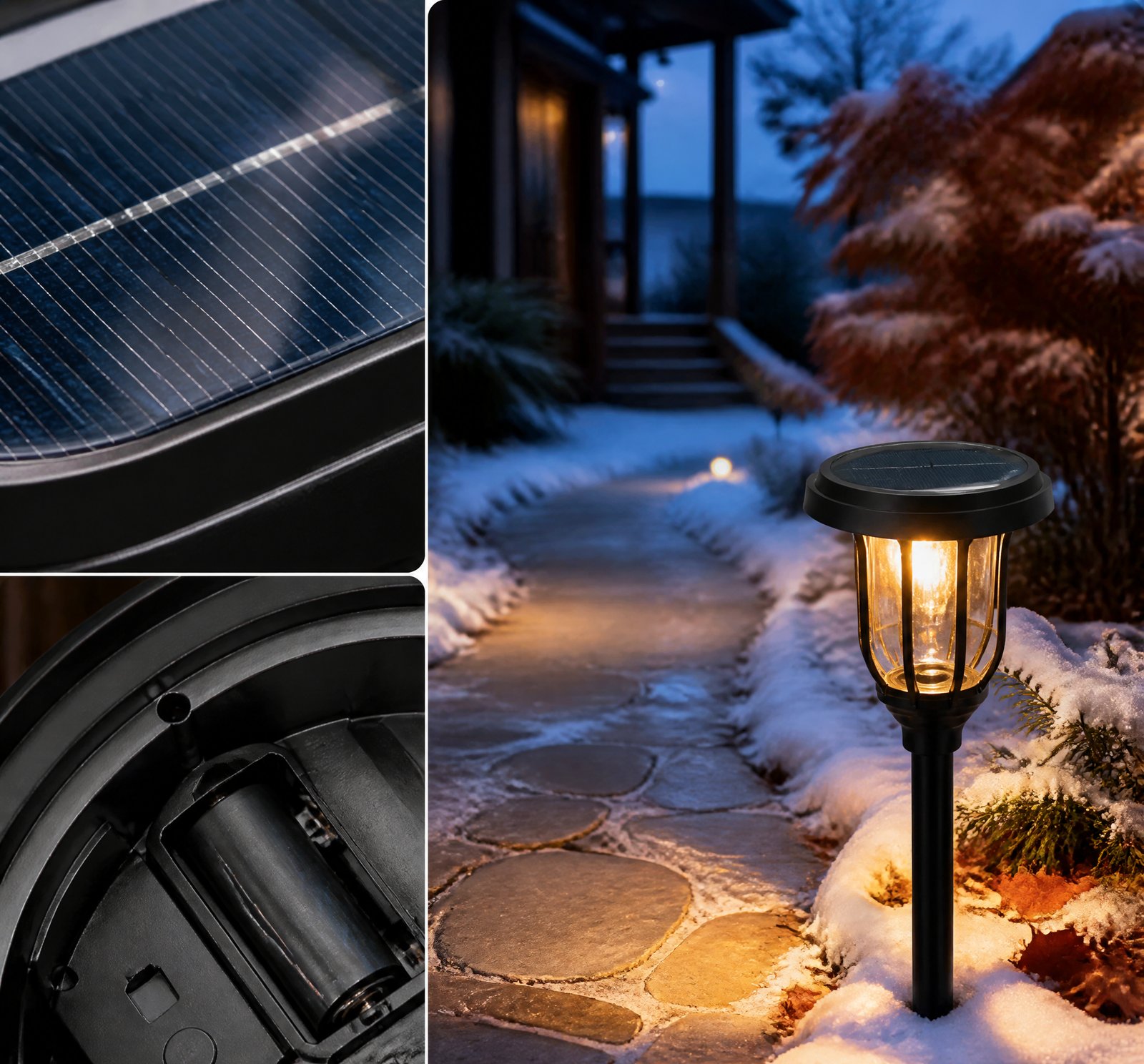
Quick answer: Întreținerea lampelor solare în România include curățarea panourilor solare, inspectarea etanșărilor și ștergerea lentilelor senzorilor cel puțin o dată pe an sau mai des în condiții extreme. Aceste măsuri mențin performanța și integritatea rezistentă la apă a sistemelor, prevenind pierderi de eficiență și deteriorări premature [6].
În România, energia solară devine tot mai populară pentru iluminat public, rezidențial și industrial. Cu toate acestea, chiar și cele mai bune sisteme fotovoltaice necesită întreținere periodică pentru a funcționa optim. Fără o curățare regulată și inspecții atente, randamentul poate scădea cu până la 25% în condiții extreme [6]. Acest articol oferă un ghid practic, susținut de surse tehnice și industriale, pentru a menține lampile solare eficiente pe termen lung.
Curățarea Panourilor Solare
Curățarea panourilor solare este esențială pentru menținerea eficienței energetice. Prin acumularea de praf, frunze sau polen, suprafața poate fi parțial acoperită, reducând absorția luminii solare [8]. Se recomandă curățarea de două până la patru ori pe an [6], dar frecvența poate crește în zonele cu mult praf sau în apropierea copacilor. Pentru siguranță, curățarea trebuie făcută de la sol, folosind un kit cu telescop, pentru a evita riscuri de cădere [6]. Evitați utilizarea apei calde pe panouri fierbinți — aceasta poate cauza deteriorarea suprafeței [6]. Folosiți apă și o perie moale sau o cârpă fără fir, urmând întotdeauna recomandările producătorului [1].
Inspectarea Etanșărilor și a Senzorilor
Etanșarea este crucială pentru protecția sistemului împotriva umidității și a ploii, mai ales în condițiile climatice românești, cu vară caldă și ierni umede [10]. Verificați periodic starea etanșărilor, în special în jurul conexiunilor electrice și ale senzorilor. Senzorii PIR de mișcare și lentilele de control automat al luminii trebuie șterse periodic pentru a asigura funcționare corectă [6]. Dacă lentila este acoperită, senzorul poate nu detecta mișcarea, reducând eficiența sistemului.
Verificarea Cablurilor și a Montajului
Montajul și cablurile pot fi afectate de vânt, îngheț sau animale. Verificați periodic dacă panourile sunt bine fixate și dacă nu există semne de coroziune în hardware-ul de montare [17]. Asigurați-vă că cablurile nu sunt roase, trase sau expuse la umezeală. Conexiunile trebuie strânse corect, iar cablurile de pământ trebuie verificate pentru funcționalitate [7]. O deteriorare a cablurilor poate duce la scurtcircuit, incendiu sau pierderi de energie.
Menținerea Bateriilor
Bateriile sunt componenta cea mai solicitată într-un sistem solar. Pentru bateriile LiFePO4, menținerea performanței în condiții de temperaturi scăzute este asigurată prin izolație termică [11]. Curățați terminalele și verificați nivelul de încărcare prin măsurarea tensiunii în circuit deschis sau a densității specifice [11]. O baterie bine întreținută poate funcționa până la 10 ani, în timp ce o nefăcută poate avea o durată de viață redusă cu până la 50% [11].
Planificarea și Jurnalul de Întreținere
O programare regulată de întreținere este esențială. Se recomandă inspecții anuale de către un profesionist calificat, care poate identifica probleme ascunse [4]. Menține un jurnal digital sau fizic cu toate activitățile: curățări, inspectări, măsurători. Acest jurnal este util pentru garanții și monitorizarea eficienței în timp [2].
Frecvența Întreținerii în România
În condițiile românești, frecvența este influențată de climă. În iarnă, zăpada poate acoperi panourile — curățarea este necesară dacă stratul depășește 1–2 cm [10]. În vara caldă și uscată, praful se acumulează rapid, necesitând curățare mai frecventă [8]. Se recomandă cel puțin o inspecție pe an, dar în zonele cu condiții extreme, două inspecții pe an pot fi necesare.
Concluzii cheie
- Curățarea panourilor solare, inspectarea etanșărilor și ștergerea lentilelor senzorilor trebuie efectuate cel puțin o dată pe an [6].
- În România, condițiile climatice (ierni cu zăpadă, veri cu praf) pot crește frecvența necesară [10].
- Bateriile LiFePO4 cu izolație termică și carcase IP65 oferă rezistență sporită în condiții extreme [11].
- Monitorizarea periodică și jurnalul de întreținere asigură durata de viață maximă și eficiență [2].
- Evitați curățarea panourilor fierbinți — apa rece poate deteriora suprafața [6].
Comparativ: Tipuri de Întreținere în Funcție de Condiții
| Condiție climatică | Recomandare curățare | Recomandare inspecție |
|---|---|---|
| Iarnă (zăpadă) | După fiecare zăpadă semnificativă [10] | Lunar în perioada iernii |
| Vara (praf, polen) | O dată la 2–3 luni [8] | O dată la 6 luni |
| Zone urbane | O dată pe an | O dată anuală |
| Zone forestiere | O dată la 2 luni | O dată la 3 luni |
References
- [1] DIY Electronics and Sustainability — book
source passage
merely about preserving the system’s physical condition; it's also about safeguarding its energy-producing capabilities, ensuring that homeowners can maximize their investment over the long term. Regular maintenance extends the lifespan of the system and optimizes its energy production, leading to better financial savings and a more sustainable energy solution. A crucial component of solar system maintenance is the visual inspection of solar panels and associated components. Over time, panels may accumulate dust, debris, and other obstructions that can significantly reduce their efficiency. Furthermore, environmental factors and general wear and tear can compromise the system's performance. By conducting regular inspections, potential issues can be identified early, preventing minor problems from escalating into more significant concerns. Specifically, homeowners should look for any physical damage to the panels, such as cracks or wear, check for secure mounting, and ensure that no wires are exposed or damaged. Cleaning the solar panels is another vital aspect of maintenance. Dirt, bird droppings, and fallen leaves can block sunlight, diminishing the panels' energy production capabilities. Gently washing the panels with water and, if needed, a soft brush or cloth can remove these obstructions, thereby increasing the system’s efficiency. It’s important to follow the manufacturer's cleaning guidelines closely to avoid damaging the panels. Monitoring the system's energy output i
- [2] DIY Electronics and Sustainability — book
source passage
maintenance, homeowners should schedule routine checks and cleanings, preferably during cooler times of the day to avoid working with overheated panels. A simple garden hose can be used for washing, but for more stubborn grime, soapy water and a soft cleaning tool may be necessary, taking care not to scratch the panel surfaces. Trimming any overhanging branches that could shade the panels or drop debris on them is also a wise measure, as is maintaining a log of all maintenance activities. This log can be invaluable for warranty claims and helps track the system's performance over time. In essence, committing to regular maintenance through routine checks and cleaning is a straightforward yet impactful way to ensure a solar power system remains efficient and durable. This commitment not only contributes to the sustainability of the energy solution but also ensures that homeowners can continue to enjoy the benefits of solar energy, maximizing their return on investment while contributing to a greener future. Troubleshooting common issues Maintaining the efficiency and reliability of a solar power system involves not just regular care and cleaning but also skilled troubleshooting of the issues that inevitably arise over time. Despite their renowned durability and minimal maintenance demands, solar power systems can encounter problems that diminish their performance. Recognizing and effectively addressing these issues ensures the system operates smoothly, minimizing downtime and p
- [4] Off-Grid Solar A Bright Spot in the Global Energy Transition — book
source passage
Inspections: Even if you're diligent about checking your system, there's no substitute for a professional's trained eye. It's advisable to have a professional inspection done annually or biannually. Solar technicians can conduct in-depth checks, test component functionalities, and identify issues that might not be evident to the untrained eye. Maintenance after System Checks If, during these checks, you identify any issues or potential problems, it's crucial to address them promptly. Minor issues like a loose connector or a small shading obstruction can be fixed with little effort. However, larger problems such as malfunctioning inverters or degraded panels might require expert intervention. The Role of Warranties Many solar panel manufacturers provide long-term warranties, sometimes spanning 25 years or more. These warranties can be invaluable if you detect a malfunctioning panel or component. Keep all warranty information handy, and in case of issues, check if the affected component is still under warranty before paying for repairs or replacements. CHAPTER 2: Diagnosing Common Issues Panel Degradation Solar panels, like any other technological equipment exposed to the elements, undergo degradation over time. This process, while natural and expected, can affect the efficiency and output of the panels. However, understanding panel degradation, its causes, and how to mitigate its effects can prolong the life of a solar system and ensure it operates at optimal levels for as lon
- [6] Solar Panel Maintenance Everything You Need To Know — authority
source passage
# Solar Panel Maintenance: Everything You Need To Know Source: Blog/Web URL: https://www.solarreviews.com/blog/solar-panel-maintenance-everything-you-need-to-know Author: Andy Sendy Date: 2012-01-01 Solar panels are a great investment that can provide you with cheap, renewable solar energy for the next 25 years or more. But a key question is, how do you maintain them? Are solar panels like your car, requiring regular tune-ups to stay in peak condition? Or are you supposed to just leave them be? Read on for the answers to the most common solar panel maintenance questions. Solar panel maintenance at a glance: – Solar panels require very little maintenance, especially if they are on a tilt, as rain can wash away any debris. – It is generally recommended that you perform solar panel cleaning between two and four times per year. Take extreme care when cleaning. – Clean from the ground, as climbing around on your roof can be dangerous. Use a soft-bristled cleaning brush and a non-abrasive cleaner. Be sure to clean the panels early in the morning before they get too hot from the sun; cold water and hot panels do not mix! – Solar panel maintenance and cleaning is not covered under panel warranties, but if your solar panels are damaged, they will usually be covered. Do solar panels need to be maintained? Solar panels generally require very little maintenance in order to function, so yes, you can usually just let them be. The only thing most solar panels need is a periodic light cleani
- [7] Photovoltaics International Handbook — book
source passage
everything is in order. Follow any maintenance recommendations specified in the manuals and documents of the solar panels and mounting system. ✓ Cleaning: Solar panels need to be kept clean to make sure maximum light can enter through the glass and allow maximum power to be produced. Clean any dust, bird droppings, leaves, or streaks on the panels. Cleaning needs to be done once or twice a month, especially during dry seasons. More cleaning may be required in dusty locations. Solar panels must be cleaned with water and a soft cloth, sponge, or dust broom. Do not use solvents or chemicals for cleaning. ✓ Inspection: Inspection can be done when you go to clean your panels or once a month. Look out for signs of damage, discoloration, and cracks on the panels and on the wiring. Look for damaged solar cells. Ensure the wiring has not been chewed on or pulled out by animals or other external factors. Also check the grounding cables and connections. Pull on the panels to see if they are still firmly attached by the mounting system. Look out for loose nuts, rust, and corrosion on the mounting frames and fasteners. Make sure no plants or vegetation is growing around the panels that might cause shading. Also, look out for loose cables, cable ties, and cable conduits. ✓ Measurement: It makes sense to measure the current from the solar array strings once or twice a year. Using your clamp meter, you can measure the output current produced by each of the solar strings and solar panels. Thi
- [8] Renewable Energy Solutions Solar Lighting — book
source passage
bright once again. If you have a particularly dusty area, or if your panels are surrounded by trees that drop leaves and pollen, you may need to clean them more frequently. Just remember, when climbing onto your roof for maintenance, safety should always come first. Now, it’s not just about cleanliness; inspecting your solar panels for cracks or damage is also key. A thorough visual check can help catch any issues before they snowball into larger problems. Look out for discoloration, warping, or signs of wear and tear. And while you’re at it, check the wiring for fraying or corrosion. Addressing these issues promptly can save you from costly repairs in the future. Moving on from the panels, let’s talk about the heart of your system—the inverter. This is the device that converts the direct current (DC) generated by your solar panels into usable alternating current (AC) for your home. Like all technology, inverters can experience hiccups. Regular checks—every few months—will help ensure your inverter is functioning optimally. Often, they come equipped with LED indicators displaying their operational status. If those lights aren’t where they should be, it’s time to dive deeper into the system’s health. Now that we’ve tackled solar systems, let’s shift our focus to the spirited world of wind energy. Wind turbines, with their graceful blades, require a bit of love too. Start by checking for any unusual noises. A whirring or rattling sound may indicate loose parts or an imbalance i
- [10] Ultimate Guide to Solar Panel Maintenance Family Handyman — reddit
source passage
# Solar Panel Maintenance Guide Source: Blog/Web URL: https://www.familyhandyman.com/article/solar-panel-maintenance-guide/ Author: Karuna Eberl Date: 2022-09-15 Solar Panel Maintenance Guide From droughts to blizzards, here's how to keep your residential solar panels performing at their peak. Solar panels are tough. A few years ago the Denver area experienced the most damaging hail storm in its history, yet the National Renewable Energy Laboratory and its 3,000-panel array escaped with only one cracked panel. More than 150,000 vehicles scarred by the golf-ball-size hail weren’t so fortunate. While residential solar panels can withstand some force, they do sometimes break. Furthermore, they require regular maintenance in order to maintain their solar power efficiency and to extend their lifespan. Here’s what to know about solar panels to keep them in tip-top shape. On This Page Solar panel maintenance includes cleaning the glass and periodically inspecting wires to be sure they aren’t exposed or deteriorating. Conditions to keep in mind include: – Dust and stains: Solar panels accumulate film on their glass over time, reducing efficiency. – Debris: Branches and leaves left by storms also reduce efficiency. “After a while, those can also create hotspots, causing panels to overheat,” says Yi Li, founder and CEO of Renogy, a renewable energy company. – Snow and ice: Accumulation on panels can cause under-cooling, which creates micro-cracks. Solar panel cleaning frequency is dete
- [11] Photovoltaic Systems Integration in Romania — book
source passage
is more extensive. • Simple and nonhazardous maintenance may sometimes be performed by the system owner. Advanced maintenance tasks, including troubleshooting and equipment servicing or replacement, usually requires the experience and expertise of a qualified installer or service technician. • Shading conditions can change over time, so routine maintenance may be required to control excessive shading. • Sealant cracks or loss, broken gaskets, and bent metal flashings are all signs of weather sealing degradation, which can quickly result in roof leaks. • Batteries are usually the most maintenance-intensive components in any PV system. • Battery maintenance tasks include cleaning, tightening terminals, watering, and checking battery health and performance. • Battery state of charge is estimated by specific gravity or open-circuit voltage measurements. • PV-system maintenance should be carefully planned and documented to ensure that the necessary tasks are being performed on the required schedule. • PV-system monitoring provides information about system performance and status and alerts persons to pos¬ sible problems. • Power, voltage, and current are the basic indicators of array and inverter performance and these measure¬ ments are extensively used to troubleshoot problems. • Data acquisition facilitates spotting trends and correlations between parameters and is particularly useful for troubleshooting. • Troubleshooting procedures are designed to identify malfunctions by exami
- [17] Off-Grid Solar A Bright Spot in the Global Energy Transition — book
source passage
the panels from potential damage is equally vital. Installations in areas prone to hail might benefit from protective measures like mesh screens. Periodic System Checks While the solar panel system inherently promises longevity and durability, no technology is entirely devoid of wear and tear. Therefore, regular inspections and system checks are paramount to ensure optimal performance over the years. Periodic checks can uncover potential issues before they escalate, saving both time and money in the long run. Elements of a Solar System Check Visual Inspections: At its simplest, a system check can be a visual inspection. Regularly observing the panels can reveal obvious issues such as physical damage, shading from new obstructions, or visible wear and tear. For instance, cracks, discoloration, or warping of the panels should prompt a deeper examination. Checking the Mounting Equipment: Over time, the mounting equipment that holds your panels in place can loosen due to various factors like extreme weather or natural degradation of materials. It's essential to ensure that all panels are firmly attached and that there are no signs of corrosion in the mounting hardware. Examine Electrical Components: While the panels themselves are crucial, the associated electrical components such as wiring, inverters, and connectors play an equally vital role in the system's performance. Check for signs of fraying, wear, or rodent damage in the wiring. Ensure that connectors are tight and show n
merely about preserving the system’s physical condition; it's also about safeguarding its energy-producing capabilities, ensuring that homeowners can maximize their investment over the long term. Regular maintenance extends the lifespan of the system and optimizes its energy production, leading to better financial savings and a more sustainable energy solution. A crucial component of solar system maintenance is the visual inspection of solar panels and associated components. Over time, panels may accumulate dust, debris, and other obstructions that can significantly reduce their efficiency. Furthermore, environmental factors and general wear and tear can compromise the system's performance. By conducting regular inspections, potential issues can be identified early, preventing minor problems from escalating into more significant concerns. Specifically, homeowners should look for any physical damage to the panels, such as cracks or wear, check for secure mounting, and ensure that no wires are exposed or damaged. Cleaning the solar panels is another vital aspect of maintenance. Dirt, bird droppings, and fallen leaves can block sunlight, diminishing the panels' energy production capabilities. Gently washing the panels with water and, if needed, a soft brush or cloth can remove these obstructions, thereby increasing the system’s efficiency. It’s important to follow the manufacturer's cleaning guidelines closely to avoid damaging the panels. Monitoring the system's energy output i
maintenance, homeowners should schedule routine checks and cleanings, preferably during cooler times of the day to avoid working with overheated panels. A simple garden hose can be used for washing, but for more stubborn grime, soapy water and a soft cleaning tool may be necessary, taking care not to scratch the panel surfaces. Trimming any overhanging branches that could shade the panels or drop debris on them is also a wise measure, as is maintaining a log of all maintenance activities. This log can be invaluable for warranty claims and helps track the system's performance over time. In essence, committing to regular maintenance through routine checks and cleaning is a straightforward yet impactful way to ensure a solar power system remains efficient and durable. This commitment not only contributes to the sustainability of the energy solution but also ensures that homeowners can continue to enjoy the benefits of solar energy, maximizing their return on investment while contributing to a greener future. Troubleshooting common issues Maintaining the efficiency and reliability of a solar power system involves not just regular care and cleaning but also skilled troubleshooting of the issues that inevitably arise over time. Despite their renowned durability and minimal maintenance demands, solar power systems can encounter problems that diminish their performance. Recognizing and effectively addressing these issues ensures the system operates smoothly, minimizing downtime and p
Inspections: Even if you're diligent about checking your system, there's no substitute for a professional's trained eye. It's advisable to have a professional inspection done annually or biannually. Solar technicians can conduct in-depth checks, test component functionalities, and identify issues that might not be evident to the untrained eye. Maintenance after System Checks If, during these checks, you identify any issues or potential problems, it's crucial to address them promptly. Minor issues like a loose connector or a small shading obstruction can be fixed with little effort. However, larger problems such as malfunctioning inverters or degraded panels might require expert intervention. The Role of Warranties Many solar panel manufacturers provide long-term warranties, sometimes spanning 25 years or more. These warranties can be invaluable if you detect a malfunctioning panel or component. Keep all warranty information handy, and in case of issues, check if the affected component is still under warranty before paying for repairs or replacements. CHAPTER 2: Diagnosing Common Issues Panel Degradation Solar panels, like any other technological equipment exposed to the elements, undergo degradation over time. This process, while natural and expected, can affect the efficiency and output of the panels. However, understanding panel degradation, its causes, and how to mitigate its effects can prolong the life of a solar system and ensure it operates at optimal levels for as lon
# Solar Panel Maintenance: Everything You Need To Know Source: Blog/Web URL: https://www.solarreviews.com/blog/solar-panel-maintenance-everything-you-need-to-know Author: Andy Sendy Date: 2012-01-01 Solar panels are a great investment that can provide you with cheap, renewable solar energy for the next 25 years or more. But a key question is, how do you maintain them? Are solar panels like your car, requiring regular tune-ups to stay in peak condition? Or are you supposed to just leave them be? Read on for the answers to the most common solar panel maintenance questions. Solar panel maintenance at a glance: – Solar panels require very little maintenance, especially if they are on a tilt, as rain can wash away any debris. – It is generally recommended that you perform solar panel cleaning between two and four times per year. Take extreme care when cleaning. – Clean from the ground, as climbing around on your roof can be dangerous. Use a soft-bristled cleaning brush and a non-abrasive cleaner. Be sure to clean the panels early in the morning before they get too hot from the sun; cold water and hot panels do not mix! – Solar panel maintenance and cleaning is not covered under panel warranties, but if your solar panels are damaged, they will usually be covered. Do solar panels need to be maintained? Solar panels generally require very little maintenance in order to function, so yes, you can usually just let them be. The only thing most solar panels need is a periodic light cleani
everything is in order. Follow any maintenance recommendations specified in the manuals and documents of the solar panels and mounting system. ✓ Cleaning: Solar panels need to be kept clean to make sure maximum light can enter through the glass and allow maximum power to be produced. Clean any dust, bird droppings, leaves, or streaks on the panels. Cleaning needs to be done once or twice a month, especially during dry seasons. More cleaning may be required in dusty locations. Solar panels must be cleaned with water and a soft cloth, sponge, or dust broom. Do not use solvents or chemicals for cleaning. ✓ Inspection: Inspection can be done when you go to clean your panels or once a month. Look out for signs of damage, discoloration, and cracks on the panels and on the wiring. Look for damaged solar cells. Ensure the wiring has not been chewed on or pulled out by animals or other external factors. Also check the grounding cables and connections. Pull on the panels to see if they are still firmly attached by the mounting system. Look out for loose nuts, rust, and corrosion on the mounting frames and fasteners. Make sure no plants or vegetation is growing around the panels that might cause shading. Also, look out for loose cables, cable ties, and cable conduits. ✓ Measurement: It makes sense to measure the current from the solar array strings once or twice a year. Using your clamp meter, you can measure the output current produced by each of the solar strings and solar panels. Thi
bright once again. If you have a particularly dusty area, or if your panels are surrounded by trees that drop leaves and pollen, you may need to clean them more frequently. Just remember, when climbing onto your roof for maintenance, safety should always come first. Now, it’s not just about cleanliness; inspecting your solar panels for cracks or damage is also key. A thorough visual check can help catch any issues before they snowball into larger problems. Look out for discoloration, warping, or signs of wear and tear. And while you’re at it, check the wiring for fraying or corrosion. Addressing these issues promptly can save you from costly repairs in the future. Moving on from the panels, let’s talk about the heart of your system—the inverter. This is the device that converts the direct current (DC) generated by your solar panels into usable alternating current (AC) for your home. Like all technology, inverters can experience hiccups. Regular checks—every few months—will help ensure your inverter is functioning optimally. Often, they come equipped with LED indicators displaying their operational status. If those lights aren’t where they should be, it’s time to dive deeper into the system’s health. Now that we’ve tackled solar systems, let’s shift our focus to the spirited world of wind energy. Wind turbines, with their graceful blades, require a bit of love too. Start by checking for any unusual noises. A whirring or rattling sound may indicate loose parts or an imbalance i
# Solar Panel Maintenance Guide Source: Blog/Web URL: https://www.familyhandyman.com/article/solar-panel-maintenance-guide/ Author: Karuna Eberl Date: 2022-09-15 Solar Panel Maintenance Guide From droughts to blizzards, here's how to keep your residential solar panels performing at their peak. Solar panels are tough. A few years ago the Denver area experienced the most damaging hail storm in its history, yet the National Renewable Energy Laboratory and its 3,000-panel array escaped with only one cracked panel. More than 150,000 vehicles scarred by the golf-ball-size hail weren’t so fortunate. While residential solar panels can withstand some force, they do sometimes break. Furthermore, they require regular maintenance in order to maintain their solar power efficiency and to extend their lifespan. Here’s what to know about solar panels to keep them in tip-top shape. On This Page Solar panel maintenance includes cleaning the glass and periodically inspecting wires to be sure they aren’t exposed or deteriorating. Conditions to keep in mind include: – Dust and stains: Solar panels accumulate film on their glass over time, reducing efficiency. – Debris: Branches and leaves left by storms also reduce efficiency. “After a while, those can also create hotspots, causing panels to overheat,” says Yi Li, founder and CEO of Renogy, a renewable energy company. – Snow and ice: Accumulation on panels can cause under-cooling, which creates micro-cracks. Solar panel cleaning frequency is dete
is more extensive. • Simple and nonhazardous maintenance may sometimes be performed by the system owner. Advanced maintenance tasks, including troubleshooting and equipment servicing or replacement, usually requires the experience and expertise of a qualified installer or service technician. • Shading conditions can change over time, so routine maintenance may be required to control excessive shading. • Sealant cracks or loss, broken gaskets, and bent metal flashings are all signs of weather sealing degradation, which can quickly result in roof leaks. • Batteries are usually the most maintenance-intensive components in any PV system. • Battery maintenance tasks include cleaning, tightening terminals, watering, and checking battery health and performance. • Battery state of charge is estimated by specific gravity or open-circuit voltage measurements. • PV-system maintenance should be carefully planned and documented to ensure that the necessary tasks are being performed on the required schedule. • PV-system monitoring provides information about system performance and status and alerts persons to pos¬ sible problems. • Power, voltage, and current are the basic indicators of array and inverter performance and these measure¬ ments are extensively used to troubleshoot problems. • Data acquisition facilitates spotting trends and correlations between parameters and is particularly useful for troubleshooting. • Troubleshooting procedures are designed to identify malfunctions by exami
the panels from potential damage is equally vital. Installations in areas prone to hail might benefit from protective measures like mesh screens. Periodic System Checks While the solar panel system inherently promises longevity and durability, no technology is entirely devoid of wear and tear. Therefore, regular inspections and system checks are paramount to ensure optimal performance over the years. Periodic checks can uncover potential issues before they escalate, saving both time and money in the long run. Elements of a Solar System Check Visual Inspections: At its simplest, a system check can be a visual inspection. Regularly observing the panels can reveal obvious issues such as physical damage, shading from new obstructions, or visible wear and tear. For instance, cracks, discoloration, or warping of the panels should prompt a deeper examination. Checking the Mounting Equipment: Over time, the mounting equipment that holds your panels in place can loosen due to various factors like extreme weather or natural degradation of materials. It's essential to ensure that all panels are firmly attached and that there are no signs of corrosion in the mounting hardware. Examine Electrical Components: While the panels themselves are crucial, the associated electrical components such as wiring, inverters, and connectors play an equally vital role in the system's performance. Check for signs of fraying, wear, or rodent damage in the wiring. Ensure that connectors are tight and show n