
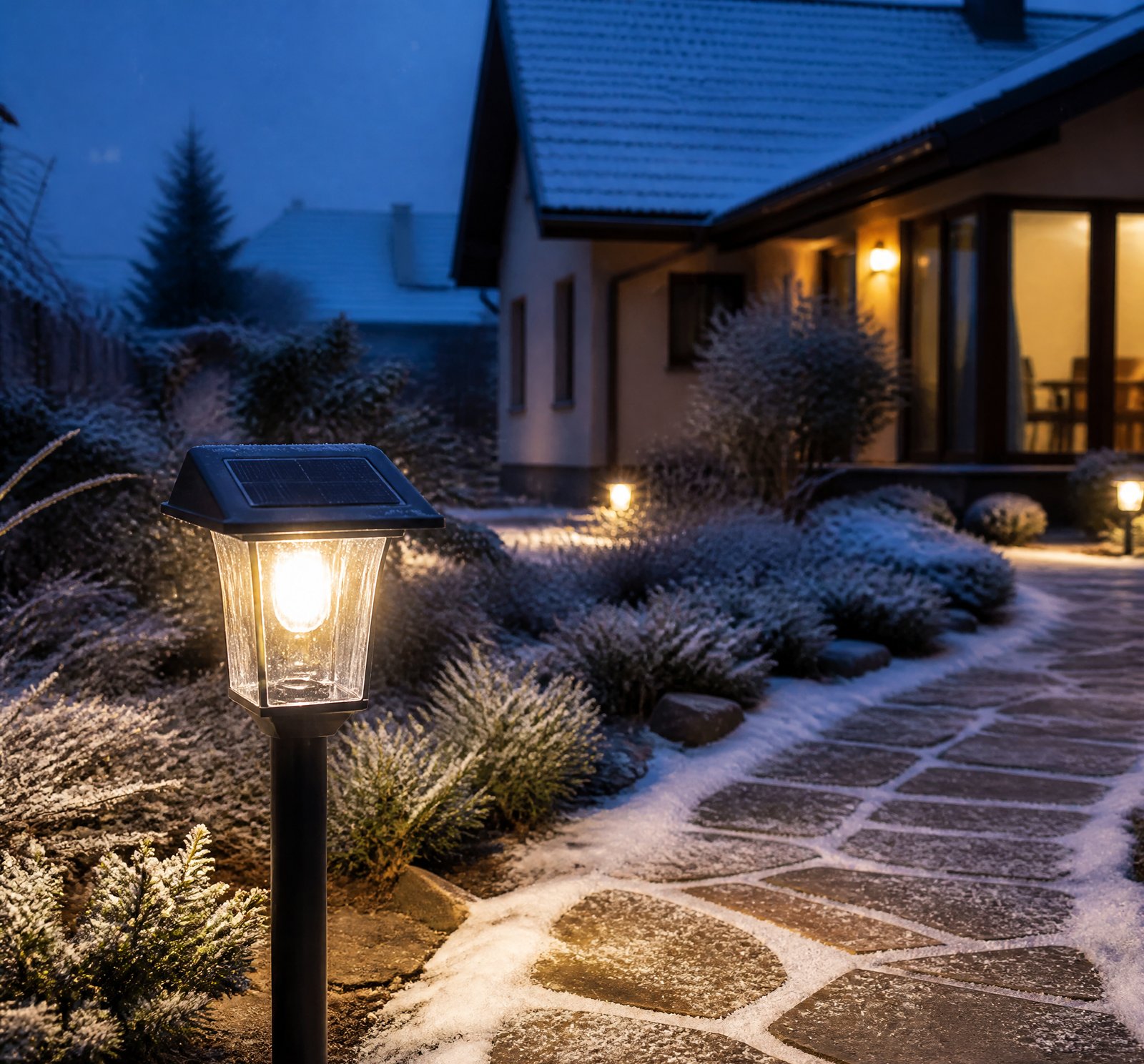
Quick answer: Coroziunea prin electrocoroziune și coroziunea intergranulară sunt principalele mecanisme care afectează carcasele din aluminiu în atmosfera urbană românească poluată cu SO₂ și NOₓ. Pentru o protecție eficientă, grosimea anodizării trebuie să fie de cel puțin 20 μm [6, 8, 12].
Aluminiul este ales frecvent pentru carcasele lămpilor solare din cauza capacității sale excelente de disipare a căldurii [6]. Cu toate acestea, în condițiile de poluare atmosferică din orașele românești, acest material este supus unui risc crescut de coroziune, mai ales în prezența dioxidului de sulf (SO₂) și oxizilor de azot (NOₓ) [4, 9, 17, 18, 20]. Acești contaminanți pot penetra materialele și ambalajele degradate, accelerând procesele corozive [9].
Coroziunea Aluminiului în Medii Urbane Românești
Aluminiul este susceptibil la coroziune atmosferică, mai ales în zonele cu industrie grea sau expuse la pulberea sării [8]. În România, unde zonele industriale și traficul auto contribuie la concentrații semnificative de SO₂ și NOₓ, riscul de coroziune crește semnificativ [6]. Coroziunea poate apărea sub forma unei pelicule continue de oxid, fără modificări vizibile la suprafață, ceea ce poate duce la coroziune generalizată sau filiformă [11]. Aceste forme de degradare pot compromite funcționarea echipamentelor electrice interne și a cablurilor, chiar dacă carcasă pare intactă [7].
Stratificarea Anodizată: Soluția Cheie
Pentru a preveni coroziunea, o strategie eficientă este utilizarea anodizării, o tehnologie electrochimică care creează un strat protector de oxid de aluminiu pe suprafață. Cercetările arată că o grosime de cel puțin 20 μm este necesară pentru o protecție adecvată în medii corozive precum cele din România [6, 12]. O anodizare sub această limită nu oferă o barieră suficient de rezistentă împotriva contaminanților atmosferici [9].
Alternative Avansate: Filme Nanocompozite
Pe lângă anodizare, cercetătorii dezvoltă filme nanocompozite cu grosimea de aproximativ 100 de ori mai mică decât un fir de păr uman [9], care acționează ca bariere împotriva vaporilor de apă și gazelor corozive [9]. Aceste materiale au potențialul de a înlocui sticla în aplicațiile de panourile fotovoltaice viitoare [9, 24], oferind o protecție suplimentară în medii expuse.
Comparativ: Soluții de Protecție Anticorozivă
| Soluție | Grosime recomandată | Eficacitate în medii poluate | Aplicație în lămpi solare |
|---|---|---|---|
| Anodizare standard | ≥ 20 μm | Ridicată [6, 12] | Recomandat pentru carcase |
| Filtrare și condiționare aer | Nu aplicabil | Medie (doar în spații închise) | Doar pentru instalații interioare |
| Filme nanocompozite | Sub 100 nm | Foarte ridicată [9] | Potențial în generația viitoare |
| Protecția StrikeHold | Nu specificată | Ridicată [7] | Protejează circuitele electrice |
Concluzii cheie
- Coroziunea prin electrocoroziune și intergranulară sunt principalele amenințări pentru carcasele din aluminiu în România [6, 8, 12].
- Anodizarea cu o grosime de cel puțin 20 μm este esențială pentru durabilitatea pe termen lung [6, 12].
- Contaminanții atmosferici precum SO₂ și NOₓ pot penetra materialele deteriorate și accelera coroziunea [4, 9, 17, 18, 20].
- Soluții avansate precum filmele nanocompozite oferă protecție superioară, dar sunt în fază de dezvoltare [9].
- Protecția StrikeHold este eficientă pentru circuitele electrice, îmbunătățind continuitatea electrică și contactele [7].
References
- [6] Solar Energy Conversion The Green Path to Pollutant-Free Power Generation — book
source passage
heating and cooling projects used about 1000 square meters of collectors with aluminum absorber plates. We have found that aluminum is susceptible to many forms of corrosion, which can ultimately result in perforation of the flow passages and leakage of the heat transfer fluid. Most potable waters contain chloride ions and heavy metal ions such as copper and iron, which cause pitting in the aluminum channels. This is one reason why one cannot mix copper plumbing and aluminum collectors, since the copper plumbing will provide a ready source of copper ions, and chlorides may be introduced from the soldering fluxes. Galvanic effects can also become important in multimetal systems, so electrical isolation must be provided between dissimilar metals. In addition corrosion can be produced by the simple erosion process resulting from high flow rates and turbulence in the fluid passages. Partial blocka- ges of fluid passages can cause localized high velocities resulting in this type of degradation. With careful control of the heat transfer fluid chemistry, however, aluminum can be used in solar collectors for absorber plates. Some manufacturers have used copper flow passages bonded to aluminum absorber plates, thereby eliminating the problem of aluminum corrosion. Because of the cost and corrosion characteristics of metals, efforts have been undertaken to utilize plastics for solar collectors because of their inherent resistance to corrosion by heat transfer fluids and resistance to e
- [7] Benefits of protecting solar equipment with corrosion inhibitor — magazine
source passage
# Benefits of protecting solar equipment with corrosion inhibitor Source: Blog/Web URL: https://solarbuildermag.com/featured/benefits-of-protecting-solar-equipment-with-corrosion-inhibitor/ Author: Contributing Author Date: 2022-09-22 From small solar powered LED lighting to massive solar farms, as well as wind turbines of all sizes, critical components must be able to stand up to constant exposure to sun, rain, dew, humidity, wind, and dust for the life of the system. The challenge is that the internal components, electronics, and wiring of solar panels, inverters, meters, cooling fans, racks, and wiring, as well as wind generators, rotor blades, and towers are susceptible to corrosion and electrolysis, which can compromise function and lifespan. Accumulated dust can also obscure solar panels, reducing their effectiveness in collecting energy from the sun. In response, industry professionals are turning to a unique anti-corrosion protectant, cleaner, and lubricant called StrikeHold. The spray was originally developed to preserve and maintain U.S. military weapons and heavy equipment for use in some of the harshest working conditions in the world. Today it is used to protect circuit boards, electrical circuits, and metal components in corrosive environments while improving electrical continuity and contacts. The spray not only protects the wide range of renewable energy equipment comprised of such components, but also extends its usable life and facilitates more efficient ene
- [8] Corrosion Basics An Introduction — book
source passage
| Certain electrochemical aspects of corrosion are described here, together with an excellent description of how underground corrosion is controlled in various types | | |———————————————————————————————————————————————————————————————————————————————————————————————————|————-| | of soil environments using various techniques. | | | Chapter 11 — Atmospheric Corrosion 2 | 221 | | This chapter summarizes metal behavior in air atmospheres throughout the world and especially in the more corrosive areas where heavy industry and salt spray may be present. Preventive measures are discussed briefly. | | | Chapter 12 — Coatings | <b>24</b> 5 | | The testing, selection, application, and use of organic and inorganic coatings for use in the atmosphere or as linings are described with emphasis on surface preparation and the function of the coating material. | | | Chapter 13 — High-Temperature Corrosion 2 | 75 | | This chapter covers the broad field of high-temperature corrosion, including air, flue gases, molten salts and metals, vacuum, etc. It also gives some attention to mechanical properties at high temperatures. | | | Chapter 14 — Testing and Inspection 3 | 09 | | The many methods of testing for corrosion and measuring corrosion rates are described and evaluated. Necessary precaution
- [9] Battling corrosion to keep solar panels humming News Releases — authority
source passage
2 percent? Maybe we’ll see some that are a half percent, maybe we’ll see some that are 10 percent. Was it a bad original product or was it installed in Costa Rica where the humidity is 80 percent every day?” she said. Spoerke’s team wants to block corrosion altogether. Collaborating with Texas A&M professor Jaime Grunlan, the team is developing nanocomposite films made from inexpensive materials as barriers against water vapor and corrosive gases. The team hopes such composite materials, some 100 times thinner than a human hair, will improve ways to protect solar cells from corrosion. Inorganic components and organic polymers that make up thin films must be designed and mixed carefully. “It’s about assembling those structures in the right way so that you can use inexpensive materials and still get the benefits you want,” Spoerke said. “If you build a house, it’s not just piling together the drywall and two-by-fours and shingles. You’ve got to use the two-by-fours to make the frame, set the drywall on the two-by-fours, and assemble the shingles on the roof.” Thin films aren’t the sole answer, but “I can envision that a technology like the one that we’re developing could be part of a collaborative materials system to help replace glass in next-generation PV applications,” he said. Systems containing metal subject to corrosion Sandia has studied corrosion for decades, analyzing the problem in all kinds of systems because anything containing metal is susceptible. Solar cells’ ele
- [11] Corrosion Basics An Introduction — book
source passage
be realized that the oxide film on aluminum is exceptionally continuous and protective. As a result, corrosion can proceed beneath such a film without obvious external change. Both general and a type of *filiform* corrosion can develop beneath the oxide layer without a change in surface appearance. Probe the surface with a plastic, aluminum, or tungsten carbide gouge when such attack might be present. In the design of aluminum structures, the usual precautions of avoiding crevices or pockets and coupling with dissimilar metals must be observed. An example of this is in the overlapping encountered between aluminum roofs and siding. In some marine or industrial atmospheres, the aluminum perforated at the laps within a few months. In addition, stress concentrations should be avoided. such as those found in some riveted structures, in the vicinity of welds, and at notches or inside corners. Where it is impractical to avoid dissimilar metals, the aluminum should be electrically insulated from the more noble metal by means of washers, sleeves, etc. In some instances, covering the noble metal with an organic finish is sufficient to greatly reduce galvanic couple corrosion. To illustrate the problems encountered in designing aluminum structures, an amusing and fairly well-known, yet illustrative story comes to mind. A new, modern processing plant was built having an uninsulated aluminum roof attached directly to steel support frames. This was known to have worked well in several inst
heating and cooling projects used about 1000 square meters of collectors with aluminum absorber plates. We have found that aluminum is susceptible to many forms of corrosion, which can ultimately result in perforation of the flow passages and leakage of the heat transfer fluid. Most potable waters contain chloride ions and heavy metal ions such as copper and iron, which cause pitting in the aluminum channels. This is one reason why one cannot mix copper plumbing and aluminum collectors, since the copper plumbing will provide a ready source of copper ions, and chlorides may be introduced from the soldering fluxes. Galvanic effects can also become important in multimetal systems, so electrical isolation must be provided between dissimilar metals. In addition corrosion can be produced by the simple erosion process resulting from high flow rates and turbulence in the fluid passages. Partial blocka- ges of fluid passages can cause localized high velocities resulting in this type of degradation. With careful control of the heat transfer fluid chemistry, however, aluminum can be used in solar collectors for absorber plates. Some manufacturers have used copper flow passages bonded to aluminum absorber plates, thereby eliminating the problem of aluminum corrosion. Because of the cost and corrosion characteristics of metals, efforts have been undertaken to utilize plastics for solar collectors because of their inherent resistance to corrosion by heat transfer fluids and resistance to e
# Benefits of protecting solar equipment with corrosion inhibitor Source: Blog/Web URL: https://solarbuildermag.com/featured/benefits-of-protecting-solar-equipment-with-corrosion-inhibitor/ Author: Contributing Author Date: 2022-09-22 From small solar powered LED lighting to massive solar farms, as well as wind turbines of all sizes, critical components must be able to stand up to constant exposure to sun, rain, dew, humidity, wind, and dust for the life of the system. The challenge is that the internal components, electronics, and wiring of solar panels, inverters, meters, cooling fans, racks, and wiring, as well as wind generators, rotor blades, and towers are susceptible to corrosion and electrolysis, which can compromise function and lifespan. Accumulated dust can also obscure solar panels, reducing their effectiveness in collecting energy from the sun. In response, industry professionals are turning to a unique anti-corrosion protectant, cleaner, and lubricant called StrikeHold. The spray was originally developed to preserve and maintain U.S. military weapons and heavy equipment for use in some of the harshest working conditions in the world. Today it is used to protect circuit boards, electrical circuits, and metal components in corrosive environments while improving electrical continuity and contacts. The spray not only protects the wide range of renewable energy equipment comprised of such components, but also extends its usable life and facilitates more efficient ene
| Certain electrochemical aspects of corrosion are described here, together with an excellent description of how underground corrosion is controlled in various types | | |———————————————————————————————————————————————————————————————————————————————————————————————————|————-| | of soil environments using various techniques. | | | Chapter 11 — Atmospheric Corrosion 2 | 221 | | This chapter summarizes metal behavior in air atmospheres throughout the world and especially in the more corrosive areas where heavy industry and salt spray may be present. Preventive measures are discussed briefly. | | | Chapter 12 — Coatings | <b>24</b> 5 | | The testing, selection, application, and use of organic and inorganic coatings for use in the atmosphere or as linings are described with emphasis on surface preparation and the function of the coating material. | | | Chapter 13 — High-Temperature Corrosion 2 | 75 | | This chapter covers the broad field of high-temperature corrosion, including air, flue gases, molten salts and metals, vacuum, etc. It also gives some attention to mechanical properties at high temperatures. | | | Chapter 14 — Testing and Inspection 3 | 09 | | The many methods of testing for corrosion and measuring corrosion rates are described and evaluated. Necessary precaution
2 percent? Maybe we’ll see some that are a half percent, maybe we’ll see some that are 10 percent. Was it a bad original product or was it installed in Costa Rica where the humidity is 80 percent every day?” she said. Spoerke’s team wants to block corrosion altogether. Collaborating with Texas A&M professor Jaime Grunlan, the team is developing nanocomposite films made from inexpensive materials as barriers against water vapor and corrosive gases. The team hopes such composite materials, some 100 times thinner than a human hair, will improve ways to protect solar cells from corrosion. Inorganic components and organic polymers that make up thin films must be designed and mixed carefully. “It’s about assembling those structures in the right way so that you can use inexpensive materials and still get the benefits you want,” Spoerke said. “If you build a house, it’s not just piling together the drywall and two-by-fours and shingles. You’ve got to use the two-by-fours to make the frame, set the drywall on the two-by-fours, and assemble the shingles on the roof.” Thin films aren’t the sole answer, but “I can envision that a technology like the one that we’re developing could be part of a collaborative materials system to help replace glass in next-generation PV applications,” he said. Systems containing metal subject to corrosion Sandia has studied corrosion for decades, analyzing the problem in all kinds of systems because anything containing metal is susceptible. Solar cells’ ele
be realized that the oxide film on aluminum is exceptionally continuous and protective. As a result, corrosion can proceed beneath such a film without obvious external change. Both general and a type of *filiform* corrosion can develop beneath the oxide layer without a change in surface appearance. Probe the surface with a plastic, aluminum, or tungsten carbide gouge when such attack might be present. In the design of aluminum structures, the usual precautions of avoiding crevices or pockets and coupling with dissimilar metals must be observed. An example of this is in the overlapping encountered between aluminum roofs and siding. In some marine or industrial atmospheres, the aluminum perforated at the laps within a few months. In addition, stress concentrations should be avoided. such as those found in some riveted structures, in the vicinity of welds, and at notches or inside corners. Where it is impractical to avoid dissimilar metals, the aluminum should be electrically insulated from the more noble metal by means of washers, sleeves, etc. In some instances, covering the noble metal with an organic finish is sufficient to greatly reduce galvanic couple corrosion. To illustrate the problems encountered in designing aluminum structures, an amusing and fairly well-known, yet illustrative story comes to mind. A new, modern processing plant was built having an uninsulated aluminum roof attached directly to steel support frames. This was known to have worked well in several inst