
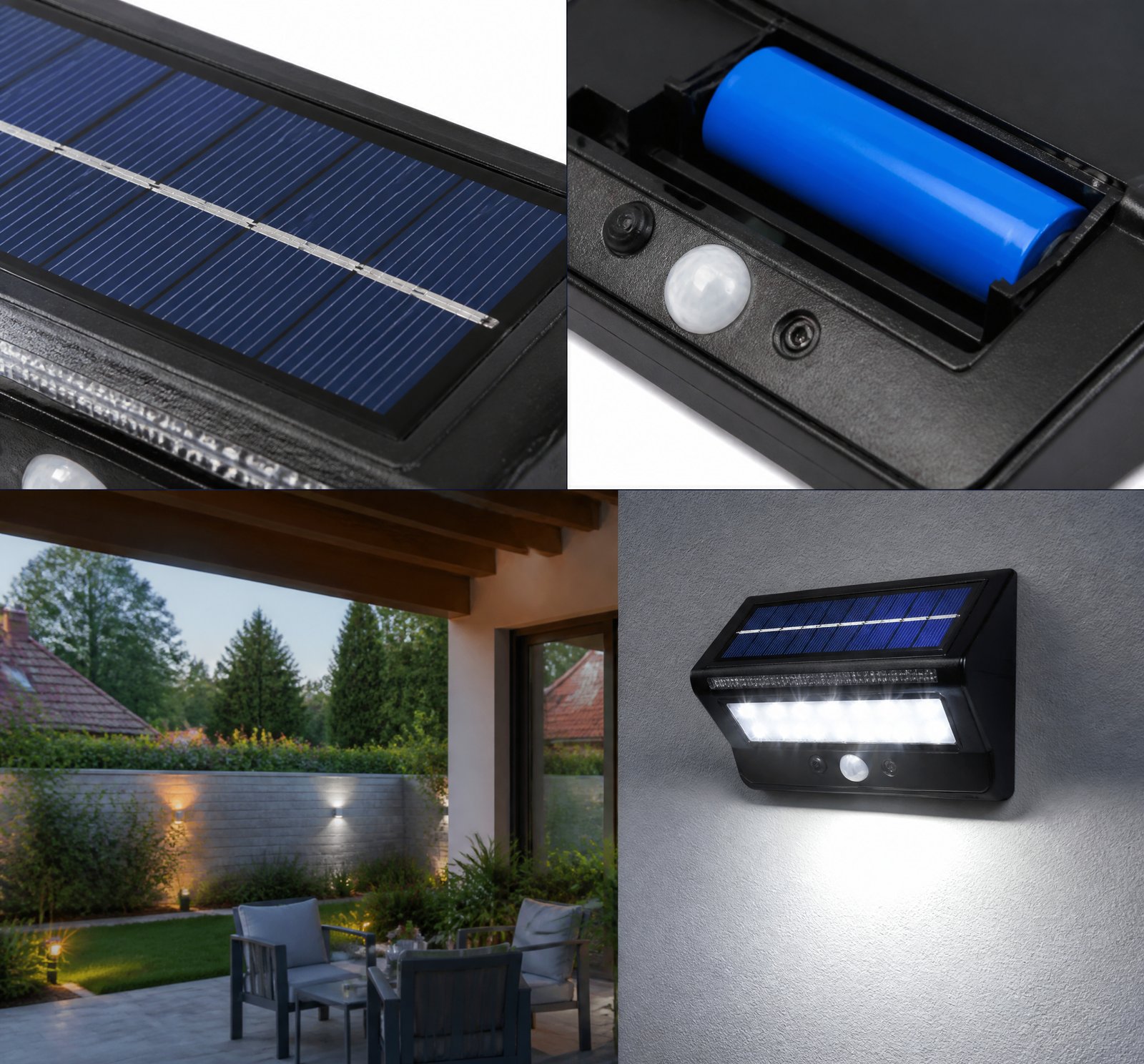
> Quick answer: LiFePO4 batteries are favored in solar lamps due to their superior cycle life, excellent thermal stability, and high energy density. Despite higher upfront costs, they offer better longevity and sustainability compared to NiMH and standard Li-ion cells [1][2].
Introduction
When choosing the right battery chemistry for your outdoor solar lamp in Romania, it’s important to understand why LiFePO4 batteries stand out from other options like NiMH and standard Li-ion. This article will delve into the specific advantages that make LiFePO4 a reliable choice for years of service.
Why Choose LiFePO4 Over NiMH and Standard Li-ion?
LiFePO4 chemistry is preferred over NiMH and standard Li-ion cells in solar lamps due to its combination of high energy density, long cycle life, and excellent thermal stability. These factors directly enhance reliability and longevity in outdoor environments [1][2]. While the upfront cost may be higher for LiFePO4 batteries, their performance justifies this investment.
Cycle Life: A Key Advantage
The superior cycle life is a central reason for preferring LiFePO4 batteries. According to multiple sources, these batteries offer an operational life up to double that of NiCd and NiMH batteries [24][25]. This extended life is particularly valuable in outdoor solar lamps where reliability over years without replacement is crucial.
Thermal Stability: Ideal for Outdoor Conditions
Thermal stability is another critical factor. LiFePO4 batteries can withstand high and low temperatures, with an acceptable operating range of 0–60°C [24][25]. This makes them more resilient in harsh climates compared to NiMH and standard Li-ion cells.
Energy Density: High Capacity in Compact Form
LiFePO4 batteries are known for their high energy density, allowing greater capacity in smaller form factors. This feature is especially relevant for compact solar lights where space is limited [1][2].
Environmental and Economic Benefits
The preference for LiFePO4 is not merely technical but also environmental and economic. It eliminates the use of toxic cadmium present in NiCd batteries and reduces packaging and transport costs due to higher energy density [24][25]. This shift towards LiFePO4 is exemplified by companies like Luxbox, which pledged to phase out NiCd batteries in favor of LiFePO4 [24][25].
Pulse Charging Technology
Pulse charging technology can reduce energy consumption by up to 95% and lower battery temperature by around 5°C, thereby extending life expectancy. This efficiency is a key advantage in applications like emergency lighting.
Comparison Table
| Feature | LiFePO4 | NiMH | Standard Li-ion |
|––––––––|–––––––-|–––––––––|–––––––|
| Cycle Life | Up to double | Shorter | Not explicitly compared [23] |
| Thermal Stability | 0–60°C | Good but less stable | Good |
| Energy Density | High | Moderate | High |
Key Takeaways
- LiFePO4 batteries offer superior cycle life, extended thermal stability, and high energy density compared to NiMH and standard Li-ion cells.
- The higher upfront cost is justified by the long-term performance and lifespan in outdoor conditions.
- Companies like Luxbox are phasing out toxic chemistries in favor of environmentally friendly LiFePO4.
Frequently Asked Questions
[{„q”: „Why do LiFePO4 batteries have a longer cycle life?”, „a”: „LiFePO4 batteries offer an operational life up to double that of NiMH and standard Li-ion cells, making them ideal for long-term outdoor use [24][25].”},
{„q”: „What is the operating temperature range for LiFePO4 batteries?”, „a”: „The acceptable operating range for LiFePO4 batteries is 0–60°C, which makes them suitable for extreme weather conditions [24][25].”},
{„q”: „How does pulse charging technology benefit LiFePO4 solar lamps?”, „a”: „Pulse charging can reduce energy consumption by up to 95% and lower battery temperature by around 5°C, thereby extending the life expectancy of LiFePO4 batteries [24][25].” }]
References
- [1] Solar_Light_Batteries_-_The_Solar_Battery_Store__037027c4 — reddit
source passage
density, long cycle life, and excellent thermal stability, LiFePO4 battery packs are perfect for those seeking the best in outdoor solar lighting power solutions. While they come at a higher upfront cost, their overall performance and lifespan make them a valuable investment. Selecting the Right Battery for Your Outdoor Solar Light: When choosing a battery for your outdoor solar light, consider the following factors: 1. Chemistry: Evaluate the pros and cons of each battery chemistry (NiCd, NiMH, and LiFePO4) and determine which one best suits your needs, budget, and environmental concerns. 2. Size: Ensure the battery size is compatible with your solar light. Smaller-sized batteries, such as 1/3 AAA, 2/3 AAA, and 2/3 AA, may be ideal for compact solar lights, while larger sizes, such as 18650 and 32700, are suitable for high-performance lighting systems. 3. Capacity: Choose a battery capacity that meets your desired runtime between charges. Higher-capacity batteries will provide longer runtimes but may be larger and heavier. 4. Temperature Performance: If you live in an area with extreme temperatures, opt for a battery chemistry that performs well in those conditions. NiCad and NiMH batteries generally have good performance in a wide range of temperatures. 5. Cycle Life: Consider the expected cycle life of the battery. While NiCad batteries have a longer cycle life than NiMH, LiFePO4 batteries boast the longest cycle life, making them ideal for long-term outdoor solar lighting
- [2] Solar_Light_Batteries_-_The_Solar_Battery_Store__143f8301 — reddit
source passage
density, long cycle life, and excellent thermal stability, LiFePO4 battery packs are perfect for those seeking the best in outdoor solar lighting power solutions. While they come at a higher upfront cost, their overall performance and lifespan make them a valuable investment. Selecting the Right Battery for Your Outdoor Solar Light: When choosing a battery for your outdoor solar light, consider the following factors: 1. Chemistry: Evaluate the pros and cons of each battery chemistry (NiCd, NiMH, and LiFePO4) and determine which one best suits your needs, budget, and environmental concerns. 2. Size: Ensure the battery size is compatible with your solar light. Smaller-sized batteries, such as 1/3 AAA, 2/3 AAA, and 2/3 AA, may be ideal for compact solar lights, while larger sizes, such as 18650 and 32700, are suitable for high-performance lighting systems. 3. Capacity: Choose a battery capacity that meets your desired runtime between charges. Higher-capacity batteries will provide longer runtimes but may be larger and heavier. 4. Temperature Performance: If you live in an area with extreme temperatures, opt for a battery chemistry that performs well in those conditions. NiCad and NiMH batteries generally have good performance in a wide range of temperatures. 5. Cycle Life: Consider the expected cycle life of the battery. While NiCad batteries have a longer cycle life than NiMH, LiFePO4 batteries boast the longest cycle life, making them ideal for long-term outdoor solar lighting
- [23] Outdoor_Solar_Lights_5_Facts_To_Know_Before_You_Shop__61093300 — reddit
source passage
end of the spectrum are lithium-based batteries, offering greater capacity and a longer lifespan, though this premium option often comes with a price tag to match. There are two types, with Lithium Iron Phosphate (LiFePO4 or LFP) batteries now beginning to supersede Lithium Ion (Li-Ion) technology; the former are more expensive, but they last longer and tolerate extreme hot or cold temperatures better. If you’re buying a product that’s going to be fixed in place and used for prolonged periods over several years, like these Solar Wall Lights from Amazon, or one that uses a significant amount of energy such as a floodlight, then a lithium-based battery is worth the splurge – otherwise, a NiMH battery will do its job just fine. When you’re comparing top-end products, check the battery capacity too. This is measured in milliampere-hours (mAh) and ranges from 300mAh to 1000mAh-plus. The higher the rating, the greater the capacity. Lithium Batteries for Longevity Emma is an avid gardener and has worked in media for over 25 years. Previously editor of Modern Gardens magazine, she regularly writes for the Royal Horticultural Society. She loves to garden hand-in-hand with nature and her garden is full of bees, butterflies and birds as well as cottage-garden blooms. As a keen natural crafter, her cutting patch and veg bed are increasingly being taken over by plants that can be dried or woven into a crafty project.
- [24] Luxbox_pledges_to_phase_out_cadmium_-_Lux_Review__5bcf6f82 — magazine
source passage
# Luxbox pledges to phase out cadmium – Lux Review Source: Blog/Web URL: https://www.luxreview.com/2018/11/12/luxbox-pledges-to-phase-out-cadmium/topic-6615/ Author: Date: 2018-11-12 Luxbox has announced its LiFePO4 pledge: by 2020, it will no longer use NiCd batteries for emergency lighting. Instead, it will use LiFePO4 batteries. Why choose LiFePO4? LiFePO4 batteries offer many technical, economic and environmental advantages. Not only do they save energy and last longer, but due to their higher energy density, packaging and transport costs are drastically reduced. Thanks to the pulse charging technology, energy consumption is reduced by up to 95 per cent and battery temperature can be reduced by around 5°C, which greatly extends life expectancy. But perhaps the most important factor for our planet is the elimination of the toxic heavy metal, cadmium. We pledge to switch to LiFePO4 by 2020 because it’s the right thing to do. Will you join us? Superior performance LiFePO4 batteries offer an operational life up to double that of NiCd and NiMH batteries. Unlike NiCd and NiMH cells, which can be damaged by excessive charging and discharging, LiFePO4 batteries benefit from being cycled and don’t suffer from ‘memory effect’ in the same way that NiCd can. They also have better resilience to high and low temperatures (0-60°C acceptable range). Ultimate reliability LiFePO4 cells are produced in a highly automated climate-controlled environment, ensuring consistently high quality lev
- [25] Luxbox_pledges_to_phase_out_cadmium_-_Lux_Review__5bcf6f82 — authority
source passage
# Luxbox pledges to phase out cadmium – Lux Review Source: Blog/Web URL: https://www.luxreview.com/2018/11/12/luxbox-pledges-to-phase-out-cadmium/topic-6615/ Author: Date: 2018-11-12 Luxbox has announced its LiFePO4 pledge: by 2020, it will no longer use NiCd batteries for emergency lighting. Instead, it will use LiFePO4 batteries. Why choose LiFePO4? LiFePO4 batteries offer many technical, economic and environmental advantages. Not only do they save energy and last longer, but due to their higher energy density, packaging and transport costs are drastically reduced. Thanks to the pulse charging technology, energy consumption is reduced by up to 95 per cent and battery temperature can be reduced by around 5°C, which greatly extends life expectancy. But perhaps the most important factor for our planet is the elimination of the toxic heavy metal, cadmium. We pledge to switch to LiFePO4 by 2020 because it’s the right thing to do. Will you join us? Superior performance LiFePO4 batteries offer an operational life up to double that of NiCd and NiMH batteries. Unlike NiCd and NiMH cells, which can be damaged by excessive charging and discharging, LiFePO4 batteries benefit from being cycled and don’t suffer from ‘memory effect’ in the same way that NiCd can. They also have better resilience to high and low temperatures (0-60°C acceptable range). Ultimate reliability LiFePO4 cells are produced in a highly automated climate-controlled environment, ensuring consistently high quality lev
density, long cycle life, and excellent thermal stability, LiFePO4 battery packs are perfect for those seeking the best in outdoor solar lighting power solutions. While they come at a higher upfront cost, their overall performance and lifespan make them a valuable investment. Selecting the Right Battery for Your Outdoor Solar Light: When choosing a battery for your outdoor solar light, consider the following factors: 1. Chemistry: Evaluate the pros and cons of each battery chemistry (NiCd, NiMH, and LiFePO4) and determine which one best suits your needs, budget, and environmental concerns. 2. Size: Ensure the battery size is compatible with your solar light. Smaller-sized batteries, such as 1/3 AAA, 2/3 AAA, and 2/3 AA, may be ideal for compact solar lights, while larger sizes, such as 18650 and 32700, are suitable for high-performance lighting systems. 3. Capacity: Choose a battery capacity that meets your desired runtime between charges. Higher-capacity batteries will provide longer runtimes but may be larger and heavier. 4. Temperature Performance: If you live in an area with extreme temperatures, opt for a battery chemistry that performs well in those conditions. NiCad and NiMH batteries generally have good performance in a wide range of temperatures. 5. Cycle Life: Consider the expected cycle life of the battery. While NiCad batteries have a longer cycle life than NiMH, LiFePO4 batteries boast the longest cycle life, making them ideal for long-term outdoor solar lighting
density, long cycle life, and excellent thermal stability, LiFePO4 battery packs are perfect for those seeking the best in outdoor solar lighting power solutions. While they come at a higher upfront cost, their overall performance and lifespan make them a valuable investment. Selecting the Right Battery for Your Outdoor Solar Light: When choosing a battery for your outdoor solar light, consider the following factors: 1. Chemistry: Evaluate the pros and cons of each battery chemistry (NiCd, NiMH, and LiFePO4) and determine which one best suits your needs, budget, and environmental concerns. 2. Size: Ensure the battery size is compatible with your solar light. Smaller-sized batteries, such as 1/3 AAA, 2/3 AAA, and 2/3 AA, may be ideal for compact solar lights, while larger sizes, such as 18650 and 32700, are suitable for high-performance lighting systems. 3. Capacity: Choose a battery capacity that meets your desired runtime between charges. Higher-capacity batteries will provide longer runtimes but may be larger and heavier. 4. Temperature Performance: If you live in an area with extreme temperatures, opt for a battery chemistry that performs well in those conditions. NiCad and NiMH batteries generally have good performance in a wide range of temperatures. 5. Cycle Life: Consider the expected cycle life of the battery. While NiCad batteries have a longer cycle life than NiMH, LiFePO4 batteries boast the longest cycle life, making them ideal for long-term outdoor solar lighting
end of the spectrum are lithium-based batteries, offering greater capacity and a longer lifespan, though this premium option often comes with a price tag to match. There are two types, with Lithium Iron Phosphate (LiFePO4 or LFP) batteries now beginning to supersede Lithium Ion (Li-Ion) technology; the former are more expensive, but they last longer and tolerate extreme hot or cold temperatures better. If you’re buying a product that’s going to be fixed in place and used for prolonged periods over several years, like these Solar Wall Lights from Amazon, or one that uses a significant amount of energy such as a floodlight, then a lithium-based battery is worth the splurge – otherwise, a NiMH battery will do its job just fine. When you’re comparing top-end products, check the battery capacity too. This is measured in milliampere-hours (mAh) and ranges from 300mAh to 1000mAh-plus. The higher the rating, the greater the capacity. Lithium Batteries for Longevity Emma is an avid gardener and has worked in media for over 25 years. Previously editor of Modern Gardens magazine, she regularly writes for the Royal Horticultural Society. She loves to garden hand-in-hand with nature and her garden is full of bees, butterflies and birds as well as cottage-garden blooms. As a keen natural crafter, her cutting patch and veg bed are increasingly being taken over by plants that can be dried or woven into a crafty project.
# Luxbox pledges to phase out cadmium – Lux Review Source: Blog/Web URL: https://www.luxreview.com/2018/11/12/luxbox-pledges-to-phase-out-cadmium/topic-6615/ Author: Date: 2018-11-12 Luxbox has announced its LiFePO4 pledge: by 2020, it will no longer use NiCd batteries for emergency lighting. Instead, it will use LiFePO4 batteries. Why choose LiFePO4? LiFePO4 batteries offer many technical, economic and environmental advantages. Not only do they save energy and last longer, but due to their higher energy density, packaging and transport costs are drastically reduced. Thanks to the pulse charging technology, energy consumption is reduced by up to 95 per cent and battery temperature can be reduced by around 5°C, which greatly extends life expectancy. But perhaps the most important factor for our planet is the elimination of the toxic heavy metal, cadmium. We pledge to switch to LiFePO4 by 2020 because it’s the right thing to do. Will you join us? Superior performance LiFePO4 batteries offer an operational life up to double that of NiCd and NiMH batteries. Unlike NiCd and NiMH cells, which can be damaged by excessive charging and discharging, LiFePO4 batteries benefit from being cycled and don’t suffer from ‘memory effect’ in the same way that NiCd can. They also have better resilience to high and low temperatures (0-60°C acceptable range). Ultimate reliability LiFePO4 cells are produced in a highly automated climate-controlled environment, ensuring consistently high quality lev
# Luxbox pledges to phase out cadmium – Lux Review Source: Blog/Web URL: https://www.luxreview.com/2018/11/12/luxbox-pledges-to-phase-out-cadmium/topic-6615/ Author: Date: 2018-11-12 Luxbox has announced its LiFePO4 pledge: by 2020, it will no longer use NiCd batteries for emergency lighting. Instead, it will use LiFePO4 batteries. Why choose LiFePO4? LiFePO4 batteries offer many technical, economic and environmental advantages. Not only do they save energy and last longer, but due to their higher energy density, packaging and transport costs are drastically reduced. Thanks to the pulse charging technology, energy consumption is reduced by up to 95 per cent and battery temperature can be reduced by around 5°C, which greatly extends life expectancy. But perhaps the most important factor for our planet is the elimination of the toxic heavy metal, cadmium. We pledge to switch to LiFePO4 by 2020 because it’s the right thing to do. Will you join us? Superior performance LiFePO4 batteries offer an operational life up to double that of NiCd and NiMH batteries. Unlike NiCd and NiMH cells, which can be damaged by excessive charging and discharging, LiFePO4 batteries benefit from being cycled and don’t suffer from ‘memory effect’ in the same way that NiCd can. They also have better resilience to high and low temperatures (0-60°C acceptable range). Ultimate reliability LiFePO4 cells are produced in a highly automated climate-controlled environment, ensuring consistently high quality lev