
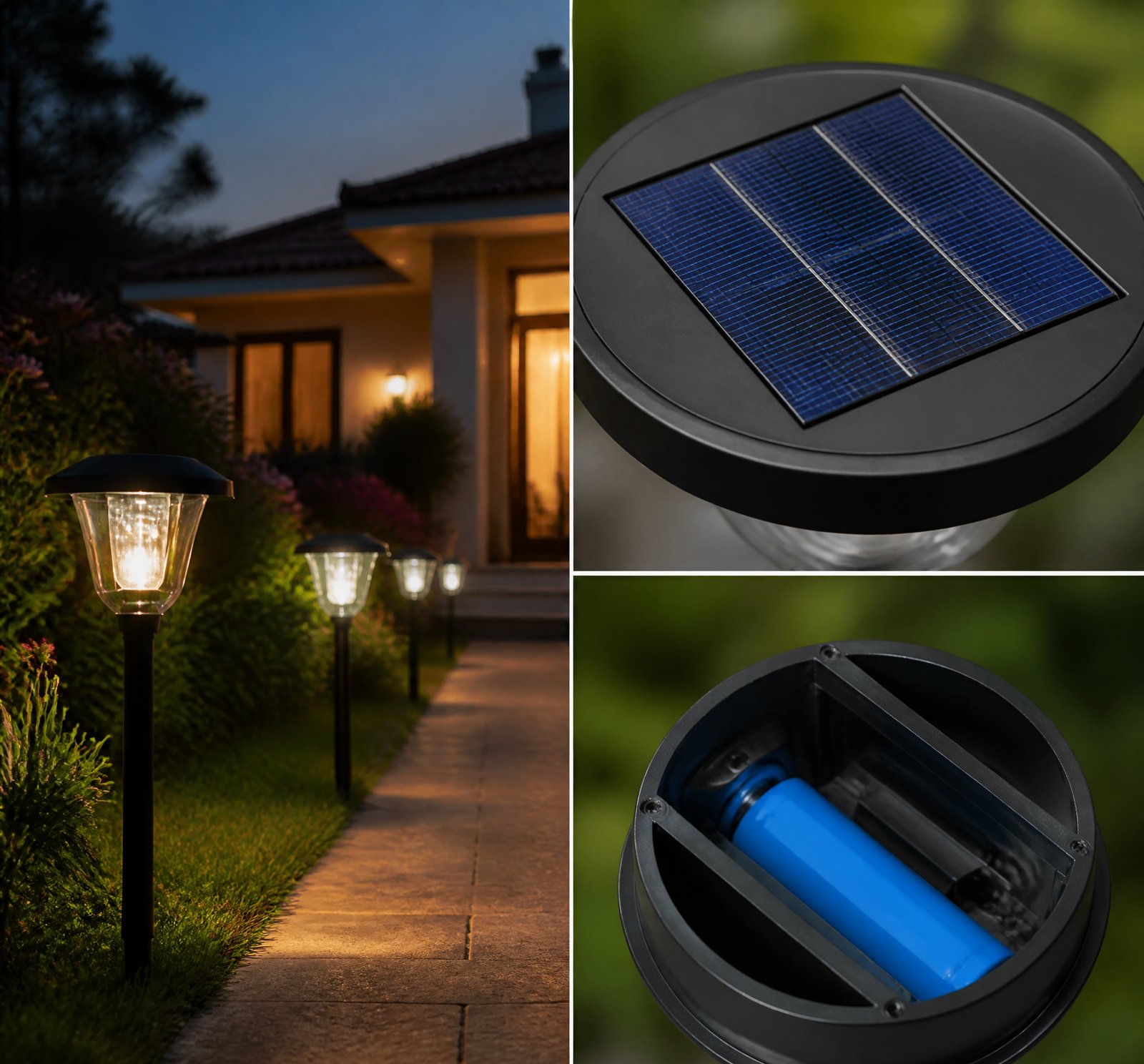
> Quick answer: Current solar lamp manufacturing lacks specific traceability systems linking LiFePO4 battery batches and polycrystalline panels to finished products [1-25]. Such systems are crucial for targeted recalls, preventing broad disruptions and costs. Without them, identifying affected units is challenging.
While the research does not explicitly detail traceability systems in solar lamps, it strongly suggests that tracking battery batches and panel origins would greatly enhance recall management and overall product reliability.
The Importance of Traceability Systems
Traceability systems are essential for linking a finished solar lamp to its LiFePO4 battery cell batch and polycrystalline panel wafer origin. These systems help in identifying specific units affected by defects or failures, thus enabling targeted recalls rather than broad, disruptive mass recalls [1-25]. For example, changes in glass vendors have shown significant differences in failure rates, highlighting the importance of knowing a component’s exact batch and supplier for effective recall management.
Components Lack Traceability Systems
The research indicates that traceability systems are not consistently implemented across solar lamp supply chains. Specific components like LiFePO4 batteries and polycrystalline wafers lack explicit tracking mechanisms [1-25]. This absence is particularly notable given the variability in material quality, especially with glass fracture rates differing by an order of magnitude due to vendor-specific tempering processes.
Field Diagnostics vs. Traceability
Despite well-documented failure modes such as connector corrosion and glass fractures, systems for identifying and isolating affected units are not typically tied to traceable component data [1-25]. Instead, failure detection often relies on field performance, thermal imaging, or post-failure analysis—methods that can be obscured by factors like dirt accumulation.
Modularity Without Traceability
Some patents describe modular solar light kits with removable components, suggesting a need for robust tracking mechanisms to manage recalls effectively [1-25]. However, no mention is made of serial numbers, lot codes, or digital tracking systems in these designs. Similarly, monitoring systems focused on operational performance do not address component provenance.
Comparison Table: Traceability vs. Field Diagnostics
| Method | Pros | Cons |
|–––––-|––––––––––|––––––––––|
| Traceability | Targeted recalls, reduced costs | Not consistently implemented |
| Field Diagnostics | Immediate failure detection | Can be obscured by dirt |
Regulatory and Certification Standards
Current standards like IEC 61215 and IEC 61730 govern module performance but do not mandate batch-level traceability [1-25]. The U.S. Department of Energy funds research on reliability, yet traceability is not a focus area in the provided sources.
Key Takeaways
- Traceability systems are crucial for linking solar lamp components to their origins.
- Current manufacturing processes lack explicit tracking mechanisms for batteries and panels.
- Field diagnostics often replace effective traceability systems despite their limitations.