
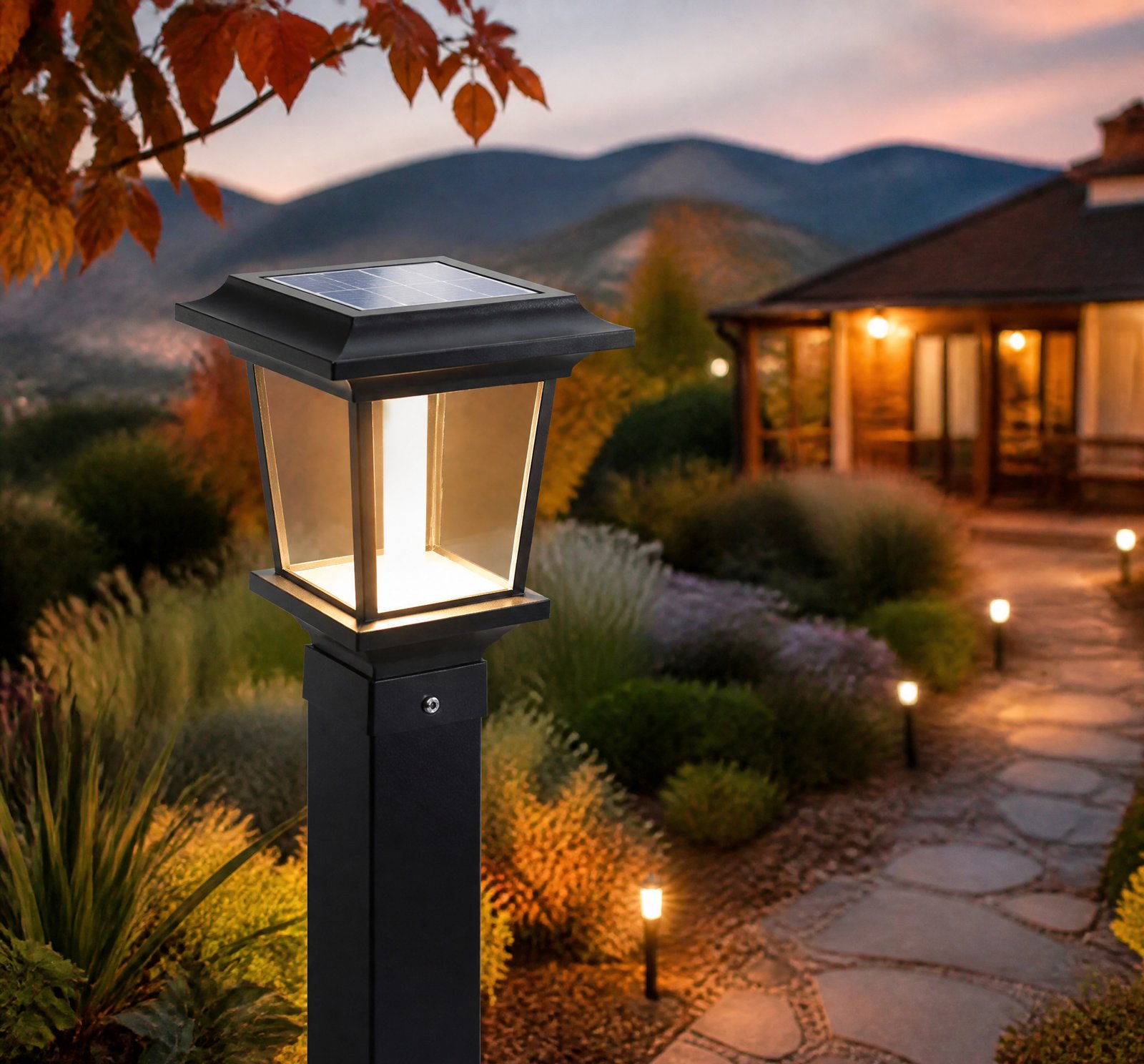
Quick answer: Eticheta IP65 pentru lămpi solare este validată prin teste specifice în timpul producției: expunerea la jeturi puternice de apă din diverse unghiuri în camere specializate, controlând presiunea și viteza cu precizie [2]. Aceste teste simulează condiții reale, asigurând că panoul solar sau lampa rezistă la intemperii fără pierderi de funcționalitate [5].
Lămpile solare sunt o soluție durabilă și eficientă pentru iluminat în România, dar performanța lor în condiții climatice variate depinde în mare măsură de protecția la apă și praful. Una dintre cele mai importante etichete de calitate este IP65, care oferă o garanție clară privind rezistența produsului. Dar ce înseamnă de fapt IP65 și cum este verificată în practică?
Ce înseamnă IP65 la lămpi solare?
Eticheta IP (International Protection) este un standard internațional care măsoară gradul de protecție al unui dispozitiv împotriva intrării apei și a particulelor solide. Primul număr, „6”, indică protecție completă împotriva prafului — adică dispozitivul este etanș, chiar și în medii foarte prăfoase [2]. Al doilea număr, „5”, înseamnă că lampa este rezistentă la jeturi de apă din orice direcție, chiar și sub presiune ridicată. Această etichetă este esențială pentru lămpile solare plasate în zone exterioare, unde pot fi expuse ploii, ninsoarării sau umezelei.
Validarea IP65 în timpul producției
Validarea etichetei IP65 nu se bazează pe promisiuni, ci pe un proces riguros de testare și inspecție. În timpul fabricării, fiecare unitate este supusă unor verificări multiple:
- Inspecții vizuale: Echipa de calitate examinează în mod detaliat structura lămpii pentru a detecta fisuri, defecte de sudură sau lipsuri de etanșeitate [8].
- Măsurători electrice: Se evaluează tensiunea, curentul și puterea pentru a verifica dacă sistemul electric funcționează corect și fără scurgeri [8].
- Caracteristici I-V (intensitate-tensiune): Aceste măsurători identifică eficiența panoului solar și a bateriei, asigurând că performanța este conformă cu specificațiile [8].
- Termografie: Cu ajutorul camerei termice cu infraroșu, se detectează disfuncțiile termice în modulul fotovoltaic — un semn de posibile defecte interne [8].
Toate aceste etape se desfășoară înainte de livrare, asigurând că doar produsele care îndeplinesc standardele IP65 ajung pe piață.
Testarea pe teren și monitorizarea continuă
După producție, lămpile solare sunt testate și în condiții reale. Aceasta include verificarea etanșeității conexiunilor, cablurilor și suporturilor în medii umede sau expuse ploii [5]. Testele pe teren sunt cruciale pentru a identifica problemele care nu apar în laborator, cum ar fi infiltrările de apă prin îmbinări slabe sau degradarea materialelor în timp.
În plus, producătorii aplică monitorizarea continuă a performanței pe termen lung — de la câteva săptămâni până la mai mulți ani [8]. Aceste rapoarte ajută la identificarea de defecte de proiectare sau a componentelor cu viață scurtă, permițând îmbunătățiri pentru generațiile viitoare.
Standarde internaționale și certificare
Pentru a asigura că IP65 este valid și verificat corect, standardele internaționale ale ISO și IEC sunt esențiale [14]. Aceste organizații stabilesc proceduri detaliate pentru testarea și certificarea produselor solare. Obținerea certificării este un semn de încredere: dovedește că produsul a trecut prin verificări riguroase de calitate, siguranță și performanță [8].
| Caracteristică | IP65 | IP67 |
|---|---|---|
| Protecția împotriva prafului | Completă (6) | Completă (6) |
| Rezistență la jeturi de apă | Da, din orice direcție [2] | Da, și la imersiune temporară |
| Aplicare în lămpi solare | Recomandat pentru exterior [5] | Necesar pentru zone cu apă stagnată |
Concluzii cheie
- Eticheta IP65 pentru lămpi solare este validată prin teste riguroase în camere specializate, care simulează ploaie și vânt [2].
- Procesul include inspecții vizuale, măsurători electrice, caracteristici I-V și termografie [8].
- Testele pe teren și monitorizarea continuă asigură funcționarea corectă în condiții reale [5].
- Standardele internaționale ISO și IEC garantează că certificarea IP65 este reală și verificabilă [14].
Întrebări frecvente
Ce înseamnă IP65 pentru o lanternă solară în România?
IP65 înseamnă protecție completă împotriva prafului și rezistență la jeturi de apă din orice direcție, esențială în condițiile de ploaie frecventă și vânt din România [2].
Cum se testează IP65 în timpul producției?
Se folosesc camere specializate care simulează jeturi puternice de apă din diferite unghiuri, cu control precis al presiunii și vitezei [5].
Este IP65 suficient pentru lămpi solare în zone rurale din România?
Da, IP65 este suficient pentru majoritatea condițiilor din România, inclusiv ploi și vânturi frecvente, asigurând funcționare stabilă pe termen lung [8].
References
- [2] Solar Street Light From Germany IP65 Solar Street Light IP65 Solar Light IP65 Solar rating- Good quality URh5vs7EOzw — youtube
source passage
# IP65 Solar Street Light/ IP65 Solar Light/ IP65 Solar rating- Good quality Source: YouTube — Solar Street Light From Germany URL: https://www.youtube.com/watch?v=URh5vs7EOzw Video ID: URh5vs7EOzw Transcript: generated are you looking for a sustainable and energy efficient lighting solution for your outdoor area try ip65 solar street lights these Innovative street lights use renewable energy from the Sun to provide reliable and bright illumination for streets parking lots and other outdoor spaces equipped with high quality solar panels rechargeable batteries and efficient LED lights these solar street lights are cost effective and environmentally friendly with their durable and waterproof design they can withstand harsh weather conditions and operate reliably in various environments ip65 solar street lights are an excellent solution to our growing energy and environmental challenges they not only provide a reliable and cost-effective way to light up our streets but they also help reduce our dependence on non-renewable energy sources investing in ip65 solar street lights is a smart financial decision and contributes towards a cleaner and more sustainable future for our planet
- [5] How Does Weather Affect PV System Degradation and Performance — authority
source passage
stresses. Researchers also warned that recent design trends like thinner cells, thinner front glass, and bigger modules may increase the likelihood of system vulnerability if not tested and designed correctly. Reviewing maintenance and operation records and monitoring PV assets would be a more proactive approach to detecting degradation among new module designs. NREL assembled a set of pre-storm checklists intended for utilities and independent power producers who own or operate solar PV installations. Depending on the system, electrical-specific steps generally require checking connectors, wiring, supports, and waterproofing. For example, in utility-scale ground-mounted systems, electrical staff should examine cable connections for corrosion, ensure the J-box is securely attached to the module, and check the grounding system for the tightness of connections and electrical continuity, among other considerations. It also suggests replacing parts like DC system wiring, cable materials, and enclosures. Waterproofing involves checking gaskets, conduit fittings, and seals to prevent wind-swept rain, then tightening or applying outdoor-rated sealant if necessary. Installing a weep hole in the bottom of the enclosure can also prevent moisture from escaping.
- [8] Photovoltaic Solar Energy Conversion From Basic Principles to Advanced System Applications — book
source passage
power rate can be achieved. These services include: • Visual inspections • Power, current, and voltage measurements • I-V characteristic measurements to specify the installed capacity • Thermography • Infrared camera to identify defective modules The inspections assist in detecting faults and flaws in the PV installation. If the fault is detected early, operators can react quickly for required repairs. 10.5.5: Operation The verification of quality and the efficiency of PV components is equally valuable for EPCs (engineering, procurement, and construction), manufacturers, and financiers. Ongoing monitoring of the PV plant ensures the detection of faults early and long-term yield analysis. Also, reliable and accurate performance reports are offered over periods from a couple of weeks to many years. The report contains benchmarking and also analysis of the measured indicators against the expected performance ratios. These reports and monitoring also can be applied for the next developments in design and component selection for PV plants. Moreover, the monitoring system investigates the long-term reliability of PV components. 10.5.6: Certifications process For the return on capital cost, quality in the design, safety, and operation of PV plants is very important. International standards for the certification of a component provide the first degree of quality assurance. However, a standardized evaluation of PV plants from design to operation is needed for the industry. The VDE Ins
- [14] Solar Cells Materials, Manufacture and Operation — book
source passage
subjected to a battery of qualification tests, which have been developed to assure that the modules will meet all functional specifications after exposure to a variety of environmental conditions. The tests that simulate these exposures are specified in publications (IEC 1215, IEEE 1262 and UL 1703) issued by the International Electrotechnical Commission (IEC), the Institute of Electrical and Electronics Engineers (IEEE) and the Underwriters Laboratory (UL). The qualification procedure includes tests such as electrical performance, electrical isolation (dry and wet), visual inspection, thermal cycling between -40 and +85~ light soaking, ultraviolet light exposure, humidity freeze cycling between -40 and +85~ (while maintaining a relative humidity of 85% for temperatures above room temperature), static and dynamic mechanical loading, hail impact tests, surface cut susceptibility, hot-spot endurance and outdoor exposure. These qualification tests appear to work well for crystalline silicon modules since there have been many crystalline silicon PV arrays that have operated for over two decades or more in a variety of outdoor environments. However, other tests may need to be added to adequately qualify thin-film modules for reliable operation over 20 years of more in all outdoor environments. In general, thin- film PV modules appear to be more susceptible to moisture ingression problems than crystalline silicon modules since the contacting layers and semiconductor layers are very
# IP65 Solar Street Light/ IP65 Solar Light/ IP65 Solar rating- Good quality Source: YouTube — Solar Street Light From Germany URL: https://www.youtube.com/watch?v=URh5vs7EOzw Video ID: URh5vs7EOzw Transcript: generated are you looking for a sustainable and energy efficient lighting solution for your outdoor area try ip65 solar street lights these Innovative street lights use renewable energy from the Sun to provide reliable and bright illumination for streets parking lots and other outdoor spaces equipped with high quality solar panels rechargeable batteries and efficient LED lights these solar street lights are cost effective and environmentally friendly with their durable and waterproof design they can withstand harsh weather conditions and operate reliably in various environments ip65 solar street lights are an excellent solution to our growing energy and environmental challenges they not only provide a reliable and cost-effective way to light up our streets but they also help reduce our dependence on non-renewable energy sources investing in ip65 solar street lights is a smart financial decision and contributes towards a cleaner and more sustainable future for our planet
stresses. Researchers also warned that recent design trends like thinner cells, thinner front glass, and bigger modules may increase the likelihood of system vulnerability if not tested and designed correctly. Reviewing maintenance and operation records and monitoring PV assets would be a more proactive approach to detecting degradation among new module designs. NREL assembled a set of pre-storm checklists intended for utilities and independent power producers who own or operate solar PV installations. Depending on the system, electrical-specific steps generally require checking connectors, wiring, supports, and waterproofing. For example, in utility-scale ground-mounted systems, electrical staff should examine cable connections for corrosion, ensure the J-box is securely attached to the module, and check the grounding system for the tightness of connections and electrical continuity, among other considerations. It also suggests replacing parts like DC system wiring, cable materials, and enclosures. Waterproofing involves checking gaskets, conduit fittings, and seals to prevent wind-swept rain, then tightening or applying outdoor-rated sealant if necessary. Installing a weep hole in the bottom of the enclosure can also prevent moisture from escaping.
power rate can be achieved. These services include: • Visual inspections • Power, current, and voltage measurements • I-V characteristic measurements to specify the installed capacity • Thermography • Infrared camera to identify defective modules The inspections assist in detecting faults and flaws in the PV installation. If the fault is detected early, operators can react quickly for required repairs. 10.5.5: Operation The verification of quality and the efficiency of PV components is equally valuable for EPCs (engineering, procurement, and construction), manufacturers, and financiers. Ongoing monitoring of the PV plant ensures the detection of faults early and long-term yield analysis. Also, reliable and accurate performance reports are offered over periods from a couple of weeks to many years. The report contains benchmarking and also analysis of the measured indicators against the expected performance ratios. These reports and monitoring also can be applied for the next developments in design and component selection for PV plants. Moreover, the monitoring system investigates the long-term reliability of PV components. 10.5.6: Certifications process For the return on capital cost, quality in the design, safety, and operation of PV plants is very important. International standards for the certification of a component provide the first degree of quality assurance. However, a standardized evaluation of PV plants from design to operation is needed for the industry. The VDE Ins
subjected to a battery of qualification tests, which have been developed to assure that the modules will meet all functional specifications after exposure to a variety of environmental conditions. The tests that simulate these exposures are specified in publications (IEC 1215, IEEE 1262 and UL 1703) issued by the International Electrotechnical Commission (IEC), the Institute of Electrical and Electronics Engineers (IEEE) and the Underwriters Laboratory (UL). The qualification procedure includes tests such as electrical performance, electrical isolation (dry and wet), visual inspection, thermal cycling between -40 and +85~ light soaking, ultraviolet light exposure, humidity freeze cycling between -40 and +85~ (while maintaining a relative humidity of 85% for temperatures above room temperature), static and dynamic mechanical loading, hail impact tests, surface cut susceptibility, hot-spot endurance and outdoor exposure. These qualification tests appear to work well for crystalline silicon modules since there have been many crystalline silicon PV arrays that have operated for over two decades or more in a variety of outdoor environments. However, other tests may need to be added to adequately qualify thin-film modules for reliable operation over 20 years of more in all outdoor environments. In general, thin- film PV modules appear to be more susceptible to moisture ingression problems than crystalline silicon modules since the contacting layers and semiconductor layers are very